
Planet Protectors Unite!

Fastmarkets - 02.10.25
Navigating the future of sustainable aviation fuel: market survey results
We surveyed approximately 50 market participants to gain a new perspective into the current state of the sustainable aviation fuel (SAF) market. Their responses highlight regional trends, key adoption drivers and the challenges impacting industry stakeholders.
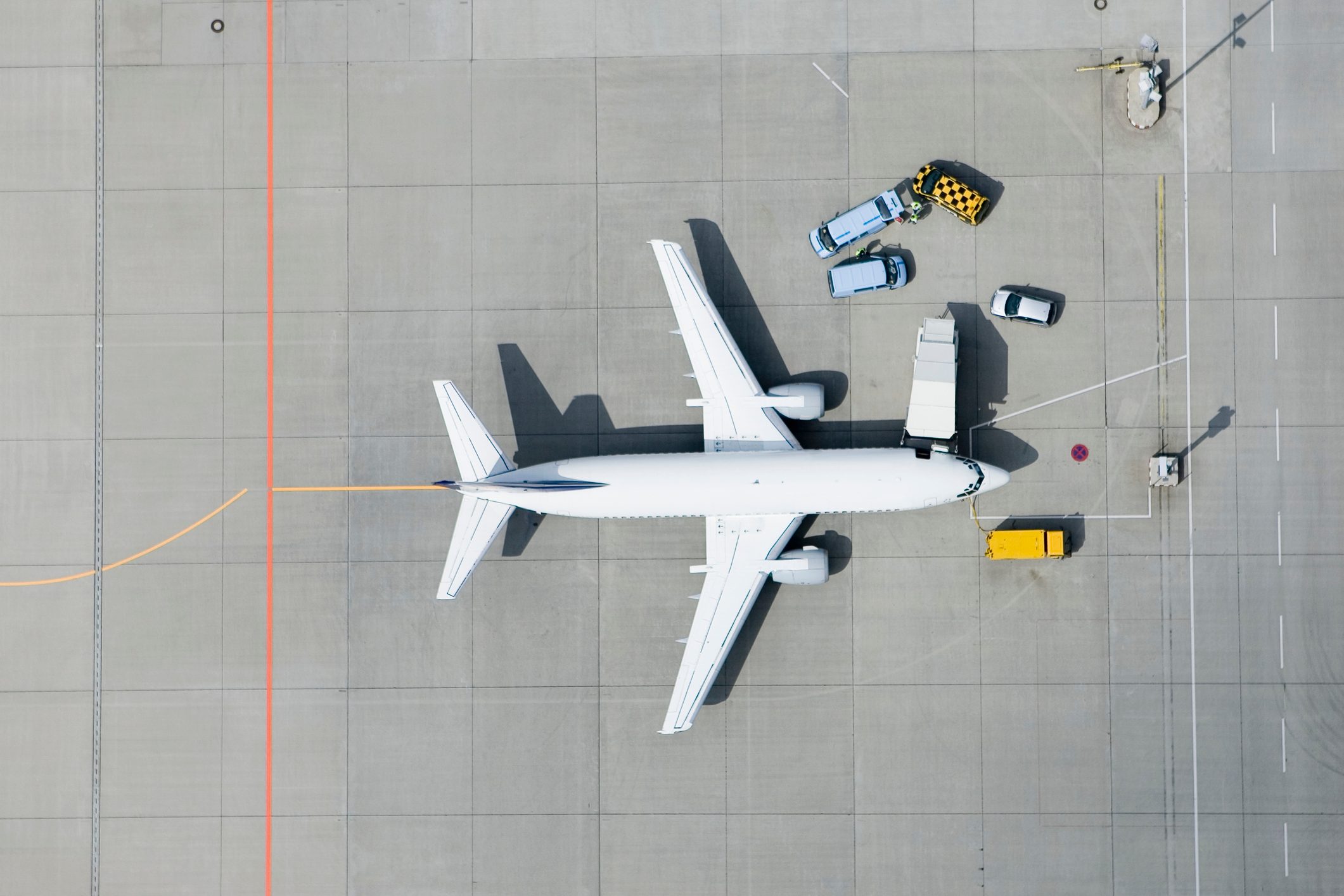
🌍 Flying Greener: Planes are starting to use Sustainable Aviation Fuel (SAF) a special eco-fuel made from waste and plants instead of oil. It helps the planet by cutting pollution.
🛫 Leading the Way: Europe, the UK, and the US are leading the change! The EU now requires 2% of plane fuel to be SAF, and America plans to double its production by 2030.
🌎 New Players: More countries like Brazil, Singapore, and South Korea are joining in to make and use greener fuels for airplanes.
💡 Big Challenges: SAF is still expensive and hard to make. Scientists are working on new technologies to lower costs and make more fuel safely.
⚖️ Rules Matter: Some places have clear rules for using SAF, but others don't yet. Without clear rules, it's harder for the world to fly green together.

04.10.25
Morocco-Spain launch energy transition projects through joint innovation program
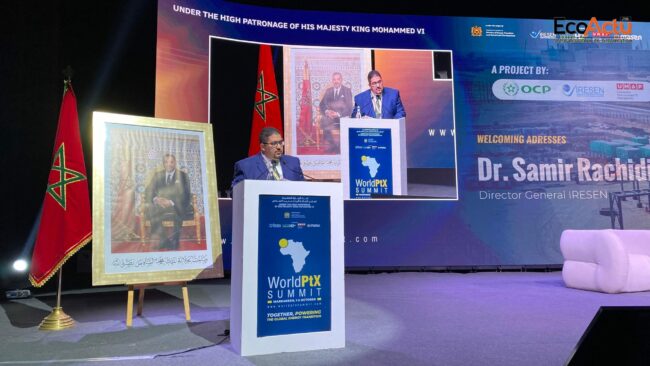
Morocco and Spain continue strengthening scientific and technological cooperation in renewable energy through two new projects selected under the INNO-ESPAMAROC ENERGY call for proposals. The fourth edition, announced at the 5th World Power-to-X Summit, mobilized 3 million dirhams in global financing supporting collaborative renewable energy, green technology, and water-energy nexus desalination initiatives, reported Maroc Diplomatique news platform.
🌍 Morocco and Spain are teaming up to create new green energy projects that help protect the planet and make clean power like solar and wind energy stronger.
⚡ They chose two special projects one turns roads into energy by capturing power from cars driving over them, and another makes clean drinking water using solar energy in dry areas.
🏗️ The projects mix smart science, like nanotechnology and recycling, to make things that really work in the real world
🤝 Scientists and companies from both countries are working together to share ideas, jobs, and training to help young people and experts learn about clean technology.
💚 These efforts help Morocco and Spain lead in green energy and show how countries can work together to fight climate change and build a cleaner, better future.
Earth Shakes, Sky Flashes & Ocean Wonders

🌀 A very big earthquake happened in Russia and it made giant waves called tsunamis that went to Russia and Japan, but Australia stayed safe.
🌊 Tsunamis happen when the bottom of the sea moves suddenly because of an earthquake, a volcano, or a landslide, and this pushes a lot of water to make big waves.
🌍 Australia is in a safe place far from most of the big cracks in the Earth, but scientists still watch the oceans all the time just in case.
🛟 There are special machines like deep-ocean buoys, tide gauges on piers, and supercomputers that work together to warn people when a tsunami might be coming.
🚨 If these machines find a dangerous wave, Australia’s warning centre quickly sends messages to the police, TV, radio, and the internet so people can leave the beach and stay safe.


⚡ In 2017, a HUGE lightning bolt called a megaflash happened in the United States, and it was so long that it broke the world record at 829 km (that’s like a giant light stretching from Texas all the way to Kansas City!).
🚗 To understand how long that is, if you tried to drive from the start of the lightning bolt to the end, it would take 8 to 9 whole hours in a car!
🛰️ Scientists only found out how big it was recently because they used special satellites and new technology that can see and measure super long lightning bolts in the sky.
🌩️ Megaflashes are very rare they are lightning bolts that stretch more than 100 km long (normal lightning is shorter!).
🏠 Lightning can be dangerous, so if there’s a storm, the safest place is inside a strong building or a car with a roof not outside, not at the beach, and not on a motorcycle.


🌊 Coral reefs are like colourful underwater cities. Tiny algae live inside them, colour them and help feed them.
🔥 When the ocean gets too hot, corals get stressed like when we feel sick. They push out the algae, lose their colour, and turn white. This is called coral bleaching.
🤒 Bleached corals are still alive, but very weak they might die if the ocean doesn't cool down soon.
🏠 Coral reefs help people too they protect beaches, give food to fish, and support jobs for many people.
🌍 Things like climate change, pollution, and dirty water can all cause coral bleaching. If we don't help, more coral reefs will get sick and disappear.

🧢 Cam Bren singer started NEMO when he was 26 to make cool outdoor gear like tents and sleeping bags.
🌿 He cares a lot about the planet and makes sure NEMO’s products are eco-friendly and last a long time.
🪑 One of his favourite creations is a swinging, reclining camp chair perfect for relaxing by a campfire!
🥾 Cam and his team go on outdoor trips to test their gear and come up with new ideas.
🌎 He hopes more people will care about the Earth and choose products that help protect it.
🕰️ His advice: Don’t worry if things take time adventures are full of surprises!