Banking Explained by Kids
Written for Kids. Surprisingly Useful for Adults.
What Is a Bank?
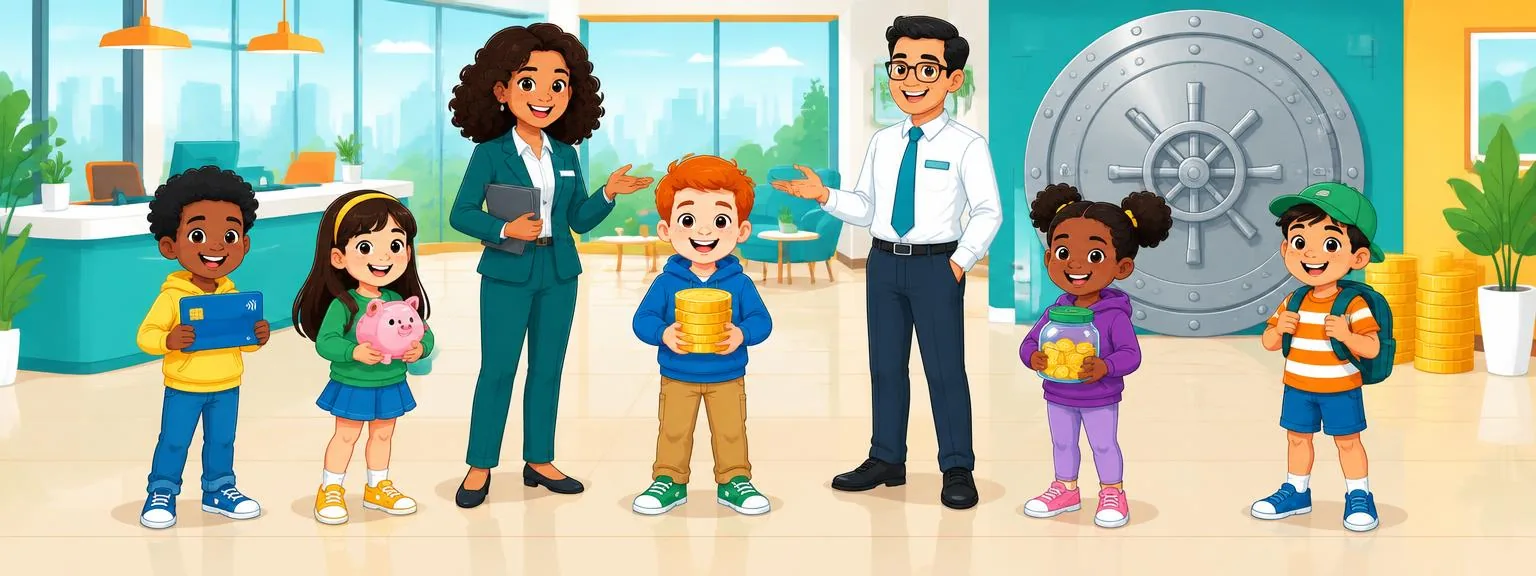
A bank is a place where people and businesses keep their money safe.
Long ago, people hid money at home or buried it underground. Banks were created to protect money and make it easier to use. Most money today is not paper or coins. It is numbers stored securely on computers.
- Save money
- Spend money safely
- Pay other people
- Borrow money
- Buy homes, cars, and start businesses
Before Banks: Trading and Bartering
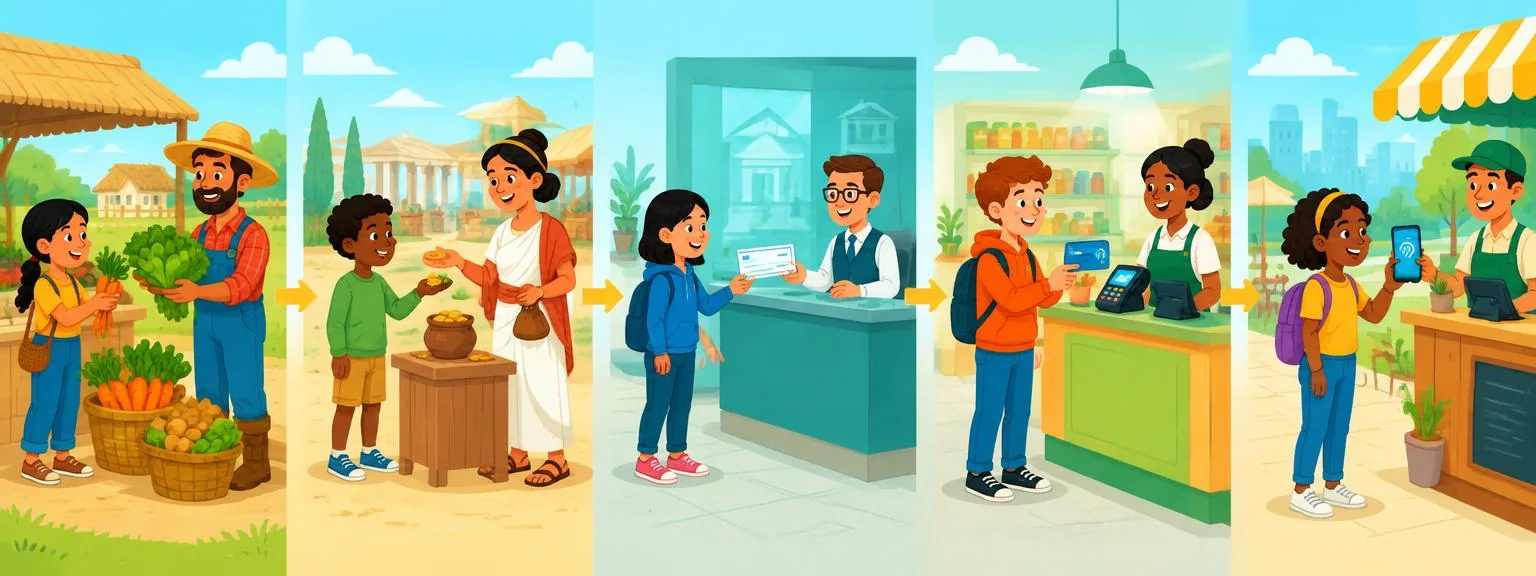
Before money and banks existed, people used bartering. This means trading goods or services instead of using money.
Because bartering was confusing, people started using money and later, banks.
- A Simple ExampleIf you grew cucumbers and your neighbour grew carrots, you might trade three cucumbers for five carrots.
- Why It Was TrickyThe other person might not want cucumbers. People could disagree about value, and buying something large was difficult.
What Are Cheques?
A cheque is a paper note telling a bank to pay a person an amount of money from an account.
Cheques were very popular fifty years ago. They are used much less today because digital payments are faster and safer, although some adults and older businesses still use them.
- Write the amount on paper
- Sign your name
- The other person takes it to a bank
- The bank checks it
- The money moves, sometimes after several days
What Happens When You Put Money in a Bank?
Money put into a bank goes into an account and is tracked by secure computers.
Your money does not sit in one box. It is safely recorded digitally.
- Savings AccountUsed to save money
- Money is not spent from it often
- Current or Checking AccountUsed for daily spending
- Connected to cards and apps
Cards and Payments Explained
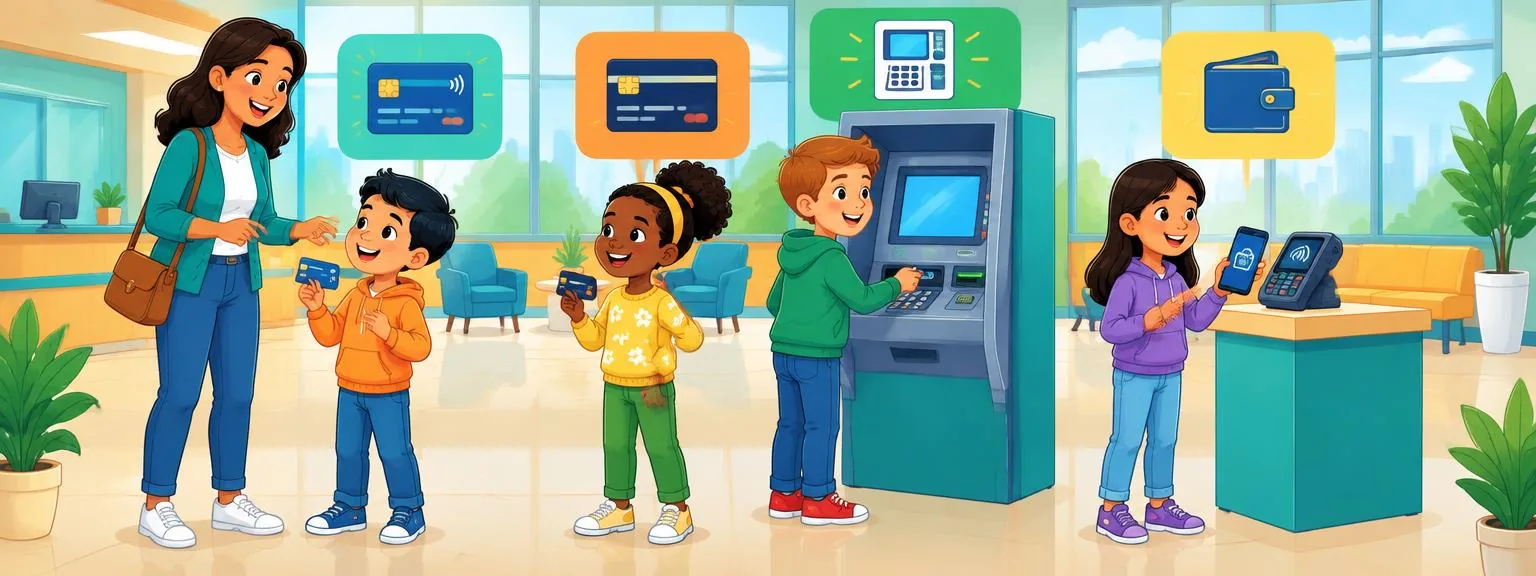
- Debit CardUses your own money
- If your account has £10, you can spend up to £10Useful for everyday spending
- Credit CardUses the bank's money
- You pay it back laterLate repayment can add extra money called interest
- Digital WalletsPhones and watches can hold cards digitally
- Apple Pay, Google Pay, and Samsung Pay are examplesPayments happen in seconds as bank computers communicate
Automated Teller Machines
ATMs are like mini robot banks. They let you take out cash, check your balance, and sometimes deposit money.
- The machine checks your card and PIN
- It talks to your bank
- It gives you cash
- It updates your balance
What Do Banks Do With Your Money?
Banks do not only store money. They carefully lend money to families buying homes, students attending university, and businesses that want to grow.
Banks check what someone earns, whether they can repay, and how risky the loan is. Borrowers repay slowly and usually add interest, which helps banks run their staff, buildings, computers, and security.
- LoanMoney borrowed for a car, education, or a business
- MortgageA long loan used to buy a home, often repaid over twenty to thirty years
What Is Interest?
Interest is extra money. Some religions, including Islam, do not allow it. Our Islamic Finance Guide explores this topic further.
- Saving InterestYou save £100
- The bank adds £2Now you have £102 🌱
- Borrowing InterestYou borrow £100
- You pay back £110The extra cost is £10
Smart Spending Rule
Spend what you have and borrow only what you can repay.
If you do not have the money today, think carefully before spending it. Smart people save first, spend carefully, and borrow only when needed.
Digital Banks and Traditional Banks
Digital banks are changing banking with faster service, lower fees, apps instead of paper, and instant notifications. Many adults use both types.
- Traditional BanksPhysical branches
- Long historyPaperwork and queues
- Digital BanksBased in an app
- No branchesFaster setup
- Easy for children and young people
Who Works in a Bank?
Most banking happens behind screens, not counters.
- Tellershelp customers deposit or withdraw money
- Customer Supporthelps open or close accounts
- IT Teamskeep systems running and find bugs
- Security Teamsstop hackers
- Loan Officersdecide who can borrow
- Risk Teamsprevent fraud
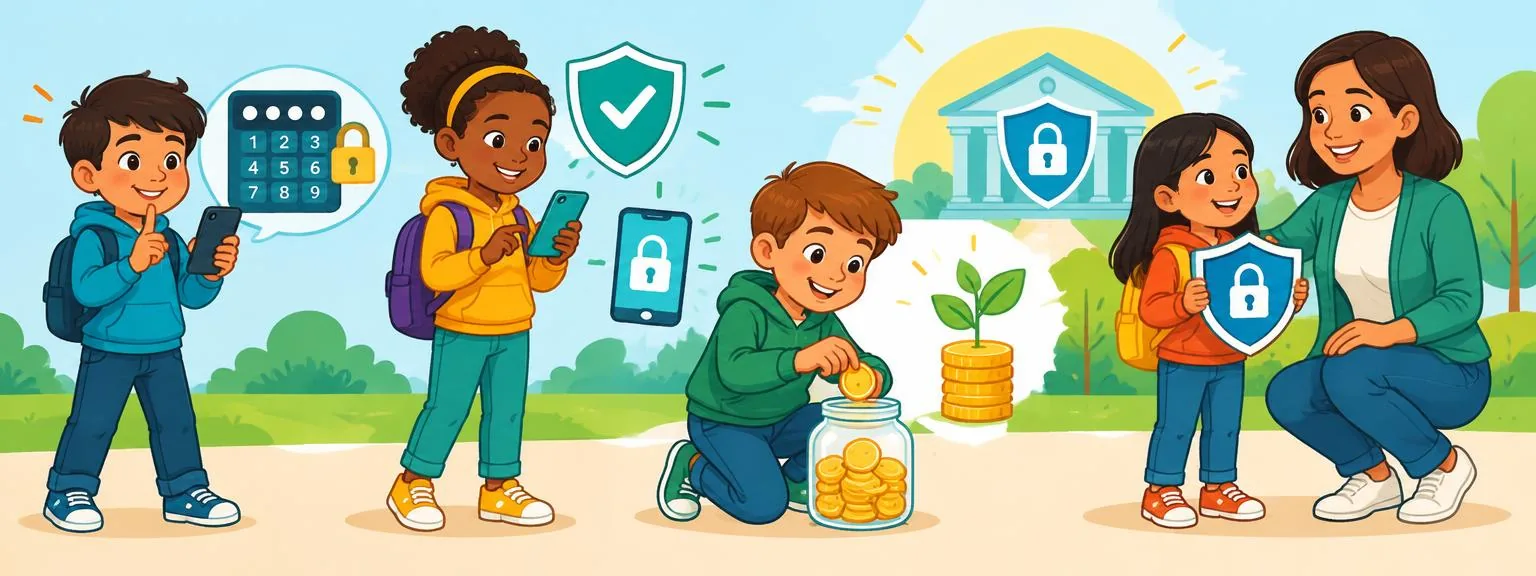
Staying Safe With Your Money
Your PIN is like the key to your money. Never share it with friends, strangers, or shop workers, and never write it on your card.
Banks will never ask for your PIN by message or email.
- Your PIN should only be known by you, your parent or guardian, and anyone they trust and approve.If someone knows your PIN, they may spend your money even when it was not you.
- Log out of banking appsDo not click strange links
- Do not reply to messages asking for bank informationTell an adult if something looks strange
Money Habits That Help You Win
These habits help you avoid stress and debt while feeling confident with money.
- Save a little every weeksmall amounts grow over time
- Track what you spendknow where your money goes
- Do not rush big purchasesthink before buying
- Ask questionslearn from adults who manage money well
- Keep money details privateprotect your financial information
Banking: Past, Present and Future
- PastBartering
- Gold and coinsCheques
- Cash
- PresentModern banks
- CardsOnline banking
- Digital wallets
- FutureLess cash
- More phonesAI stopping fraud
- Banks fully online
Fun Banking Facts
Digital Money
Most money in the world is digital.
Careful Storage
Banks never keep all money in one place.
Fast Transfers
Money can travel around the world in seconds.
Quick Summary
Banks
Keep money safe and help people save, spend, and borrow.
Money History
People used bartering and cheques before cards and apps.
Payments
Debit cards use your money. Credit cards use borrowed money.
Digital Banking
Apps and secure computers are changing how banks work.
Safety
Keeping your PIN and bank details private protects your money.
Smart Habits
Saving a little regularly helps build confidence for life.
Banking Dictionary
ATM
A machine that lets people get cash without entering a bank
Balance
The amount of money in a bank account right now
Transaction
Any time money goes into or out of an account
Fee
Money a bank or company may charge for a service
Fraud
Trying to steal money by tricking someone or pretending to be someone else
Online Banking
Using the internet to check, pay, or move money
Statement
A report showing money that entered and left an account
Budget
A plan for how much money to save and spend
Currency
The type of money a country uses, such as pounds, dollars, or euros
Branch
A bank building where customers can speak to staff
You Are Now a Money Expert! 🎓
Money is a tool. Keep learning, keep saving, and use it safely and wisely! 💪💰