📌 More stories
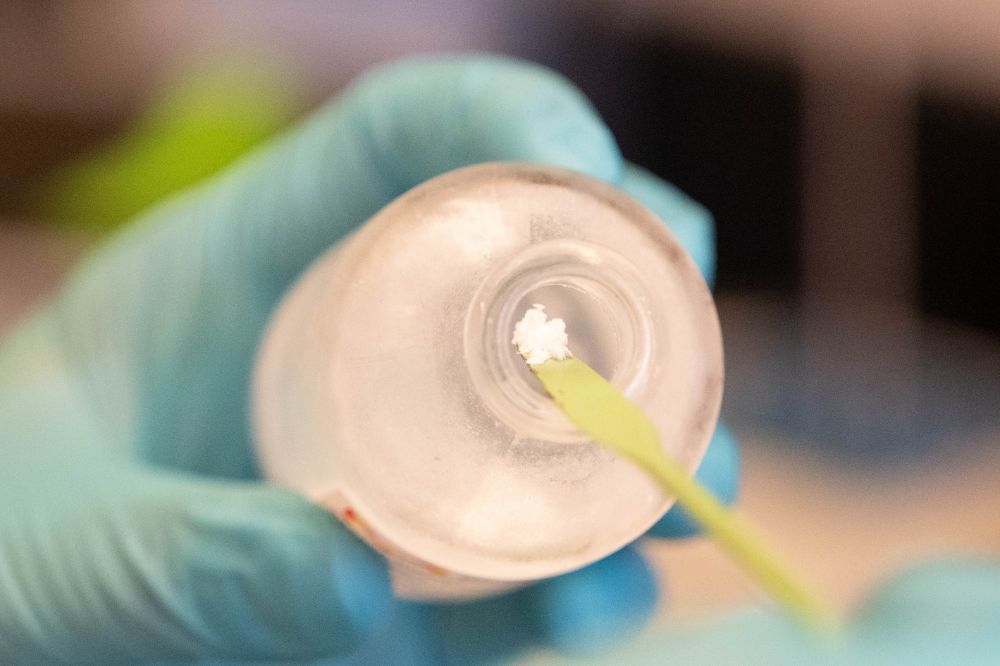
 Comet simulations test an idea about life’s ingredientsScientists ran one hundred thousand simulations to explore whether comets could deliver a chemical ingredient for early life to Earth’s land. The results suggest difficulties, but do not prove that comet delivery was impossible.
- 💻 Researchers ran 100,000 computer simulations.
- 🧪 They studied delivery of hydrogen cyanide, a possible starting ingredient for life’s chemistry.
- 🌍 In 54 percent of simulations, no comet delivered enough of the chemical onto land.
- 🔥 Atmospheric breakup, impact heat and dilution in oceans limited delivery.
- 🔬 The findings suggest the route is difficult, not that it never happened.
 This is what the mysterious Denisovans looked likeScientists studied ancient skull pieces, teeth and jaws found in northern China and confirmed they belonged to Denisovans, an ancient group of humans. The fossils give the clearest picture yet of what their faces looked like.
- 🦴 The team studied 20 fossils from a site called Xujiayao.
- ⏳ The fossils are at least 130,000 years old.
- 🧪 Tiny pieces of ancient proteins showed the bones were Denisovan.
- 🙂 Denisovans had a low sloping forehead, a big brow ridge and flat cheeks.
- 🔍 Denisovans were first identified in 2010 from a finger bone found in a cave in Siberia.
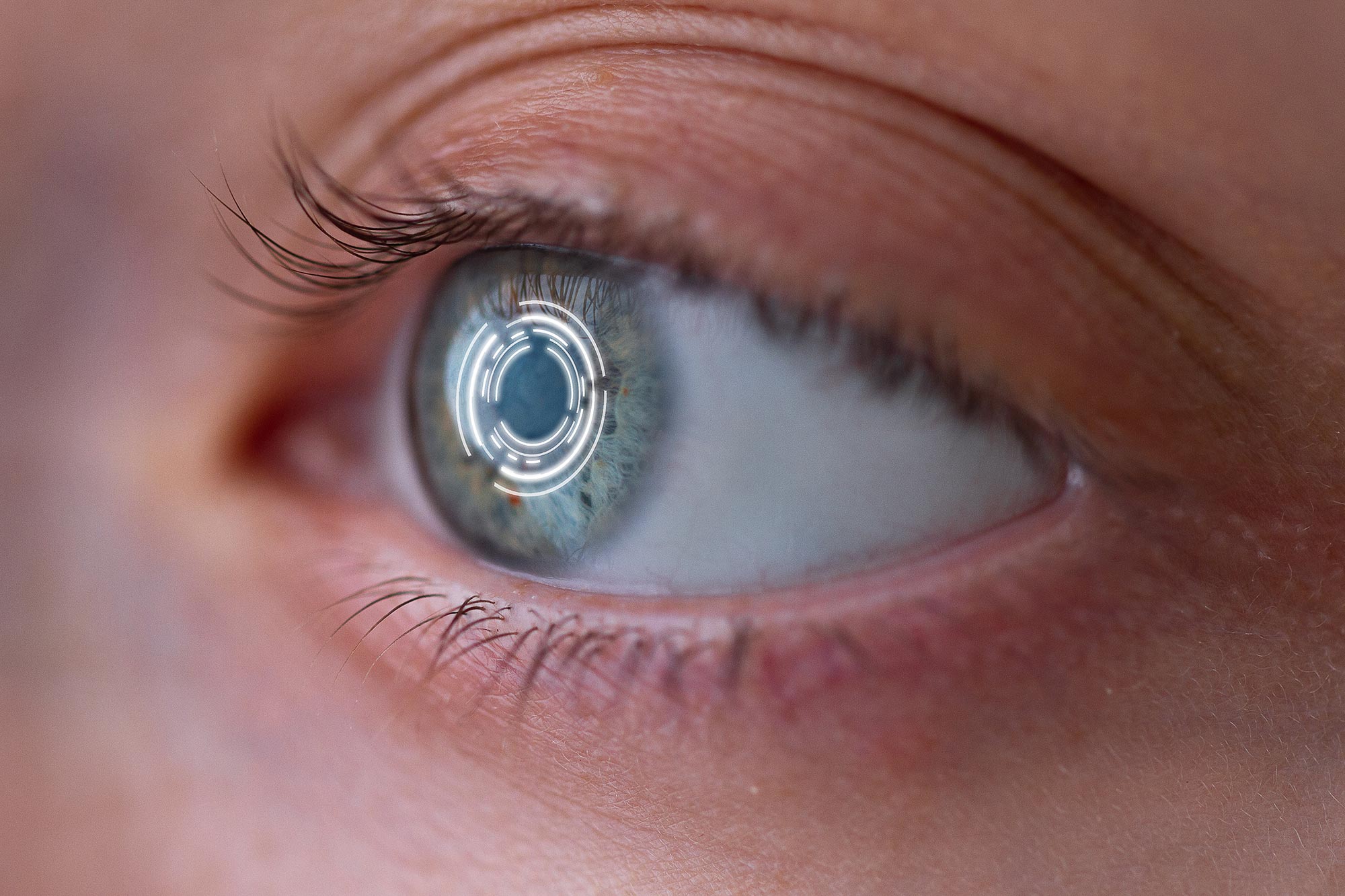
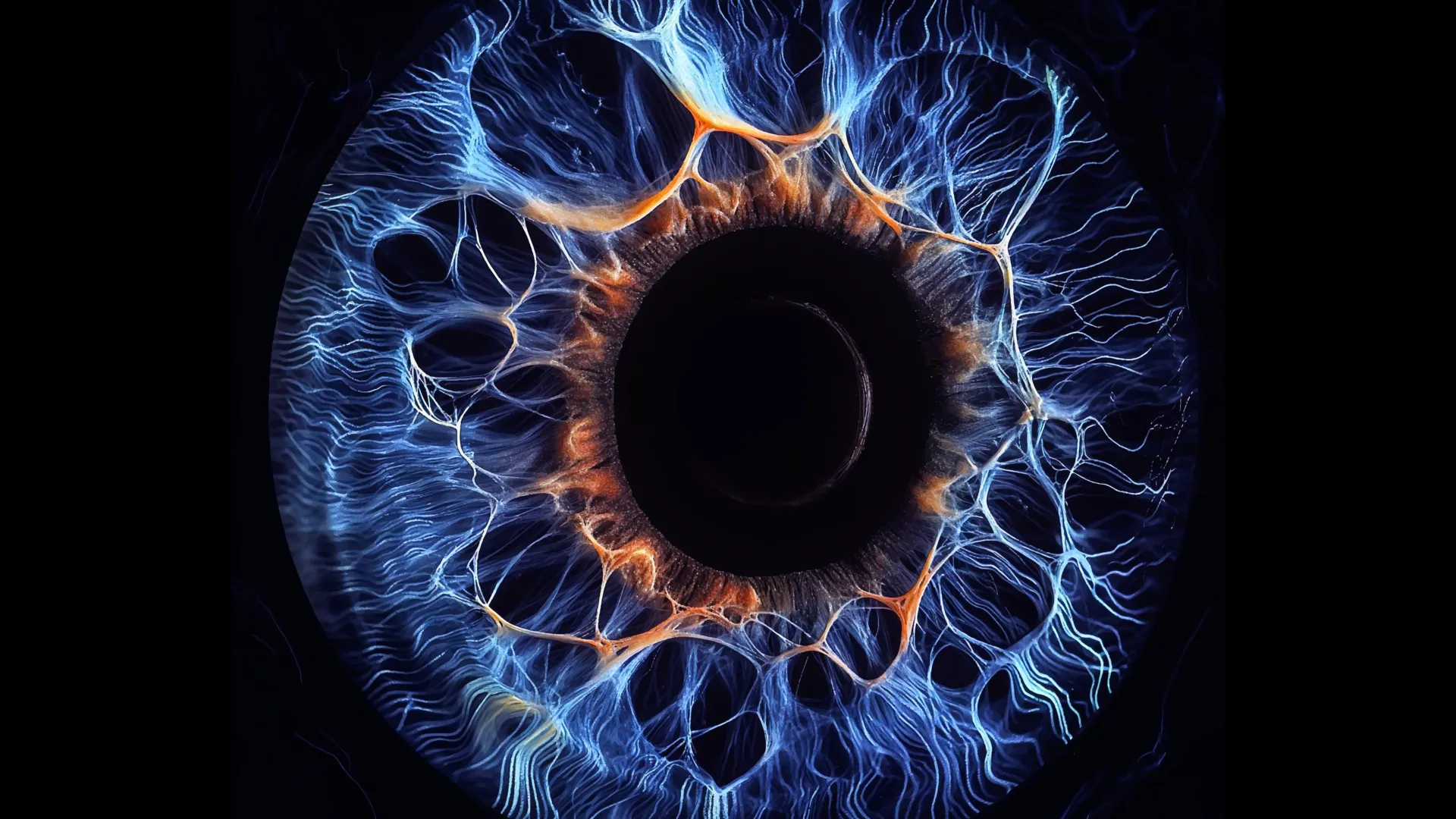 The eye has a hidden cleanup system scientists never knew existedResearchers found a route that carries fluid and waste away from the back of the eye in mice. It could help future studies of vision loss.
- 👁️ The retina at the back of your eye turns light into signals for your brain.
- 🧹 Scientists found a tiny drainage route called the POLO pathway.
- 🔎 They followed glowing tracers to see where fluid travelled in mice.
- 💧 The route connects with the lymphatic system, which helps clear waste from the body.
- 🧪 More research is needed to understand this pathway in humans. It is not a new treatment yet.
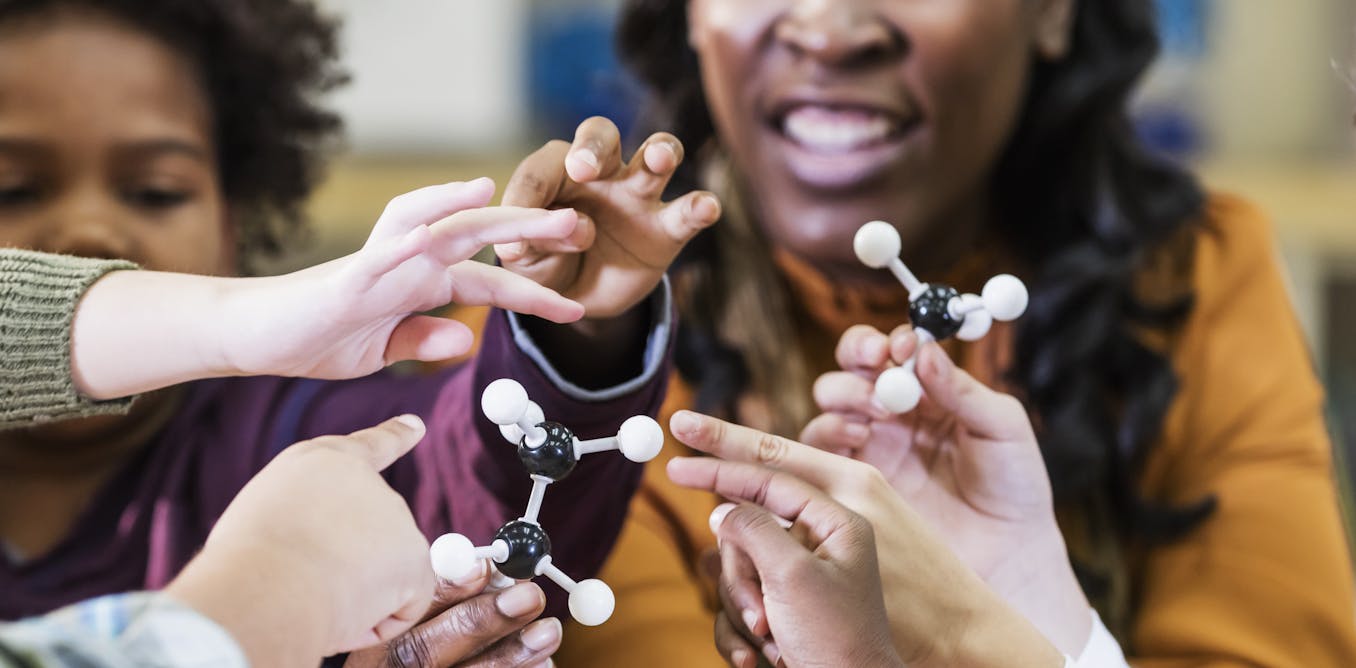 Science is best communicated through identity and culture, how researchers are ensuring STEM serves their communitiesResearchers from marginalized communities often have broader goals in science communication.
- 🌱 Science is better when it connects to people's lives, cultures, and feelings, helping everyone understand and care about it, not just scientists in labs.
- 🤝 Some scientists come from communities that were left out before, so they share science by building friendships, listening, and working together with families and kids.
- 🎨 These scientists use fun ways like stories, art, music, comics, and podcasts to explain science, making learning exciting, clear, and easier to remember.
- 💖 When scientists share who they are, they help others feel welcome, safe, and confident, showing that science is for all kinds of people everywhere.
- 🌍 This caring way of sharing science builds trust, helps communities solve real problems, and makes STEM a happy place where everyone can belong and learn.
 This simple math trick could transform earthquake scienceA new approach speeds up complex seismic simulations by a factor of about 1,000, making risk assessments far more practical.
- 🌍 Earthquakes happen a lot around the world, and they can shake the ground very hard, hurting people, homes, and roads. Scientists want to help keep everyone safer.
- 🧠 Scientists cannot tell exactly when an earthquake will happen, but they can learn about what is under the ground, like rocks, sand, or clay, which changes how shaking feels.
- 🧮 A new math trick helps computers work much faster, about one thousand times faster, to study earthquakes and the ground below us.
- 💻 With this fast method, scientists can make pictures of the hidden layers under cities and towns to see how strong shaking might be there.
- 🏙️ This helps cities prepare better for earthquakes and even tsunamis, so people can be safer in the future.
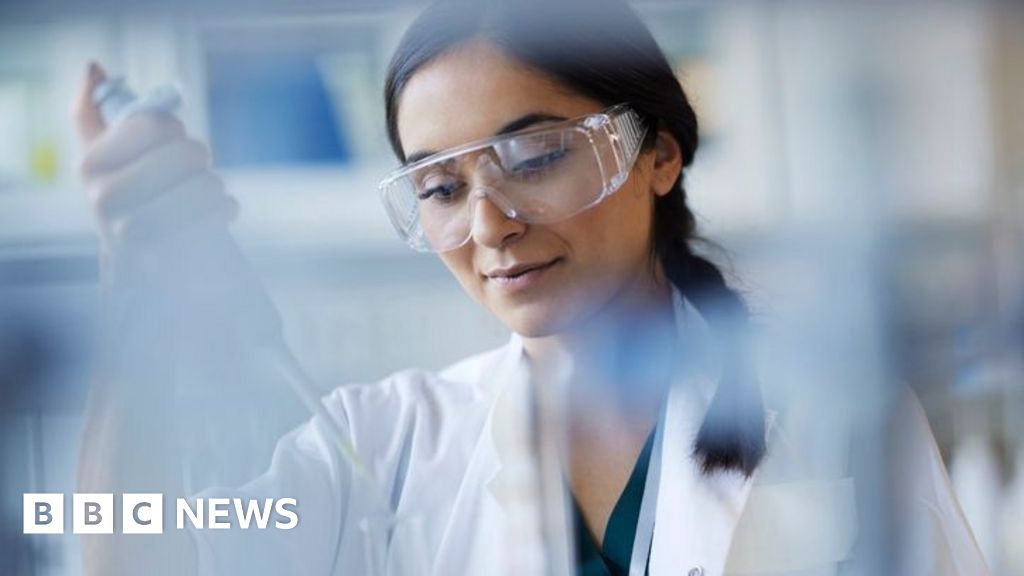 Top UK scientist says research visa restrictions endanger economyProf Sir Paul Nurse says the UK is shooting itself in the foot with its visa system for researchers.
- 🧠 A famous UK scientist says new rules make it hard for smart young scientists from other countries to come and work in Britain.
- 💸 The cost of getting a visa is very high, so many young scientists choose other countries that welcome them and offer better chances.
- 🌍 He warns that places like China and Singapore are inviting these clever people, which could hurt Britain's future science, inventions, and jobs.
- 🏥 Scientists must also pay extra money for health care and prove they already have a lot of savings before arriving to start their work.
- ⚖️ Some leaders say it is important to limit immigration, but only a small number of scientists come, so allowing more would not change totals much.
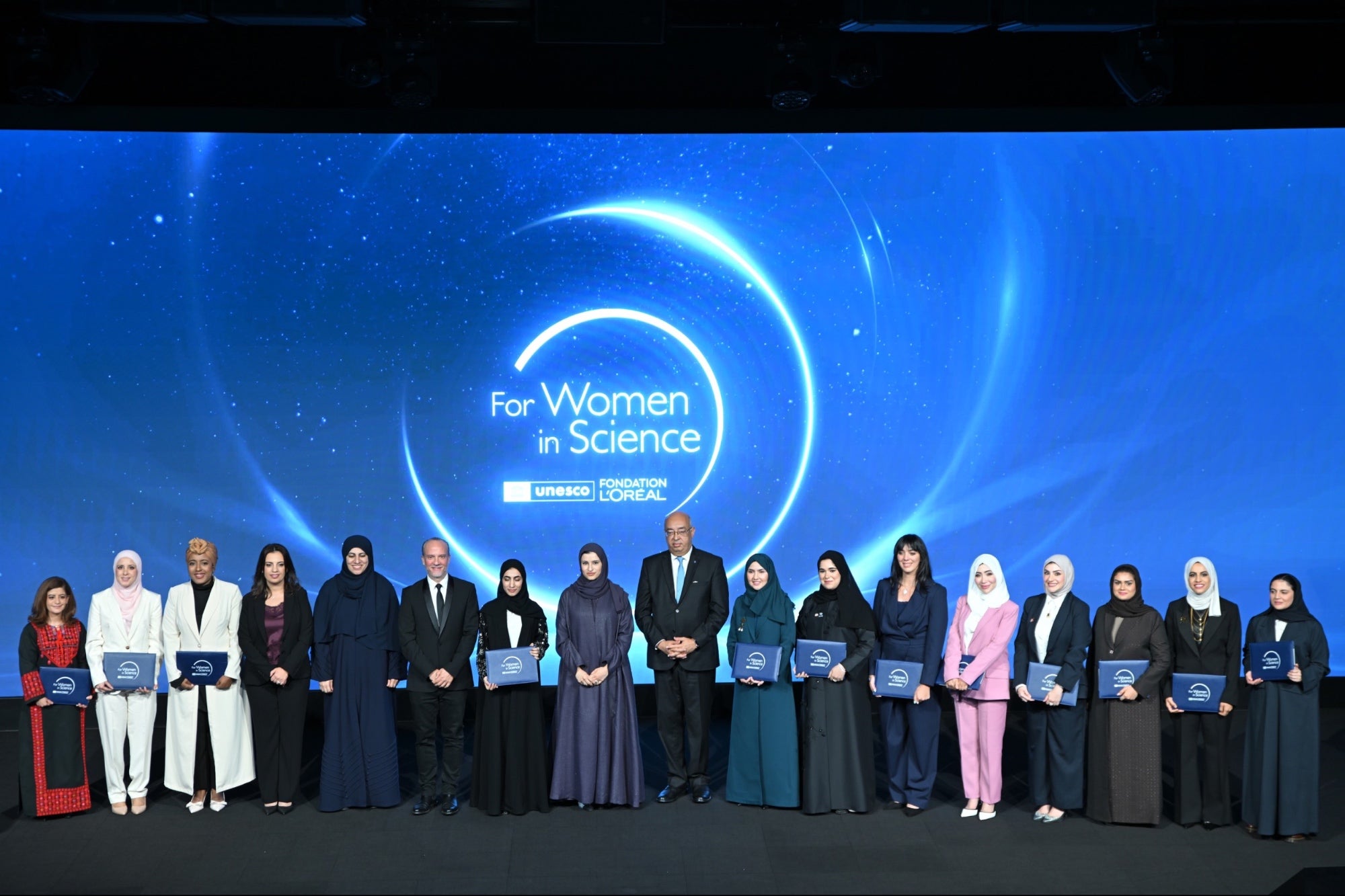 L'Oréal-UNESCO Honors 12 Years of Women in ScienceThe Middle East Young Talents Program marks its 12th edition, celebrating Arab women advancing STEM and empowering 63 researchers with AED3.8 million in endowments.
- 🌟 A big science program called L'Oréal UNESCO celebrates Arab women who do important science work and make the world better.
- 🧪 These women study many cool subjects like robots that can fix engines, plants that can fight diseases, seaweed that helps the planet, and even how our genes work.
- 🌍 The program has supported more than four thousand women scientists from many countries since it started, and it also helps young scientists in the Middle East.
- 🎓 This year and last year, talented students and doctors from the UAE, Saudi Arabia, Oman, Kuwait, and Qatar were given awards to continue their research.
- 💡 The goal is to help more girls become scientists because girls everywhere can discover amazing things.
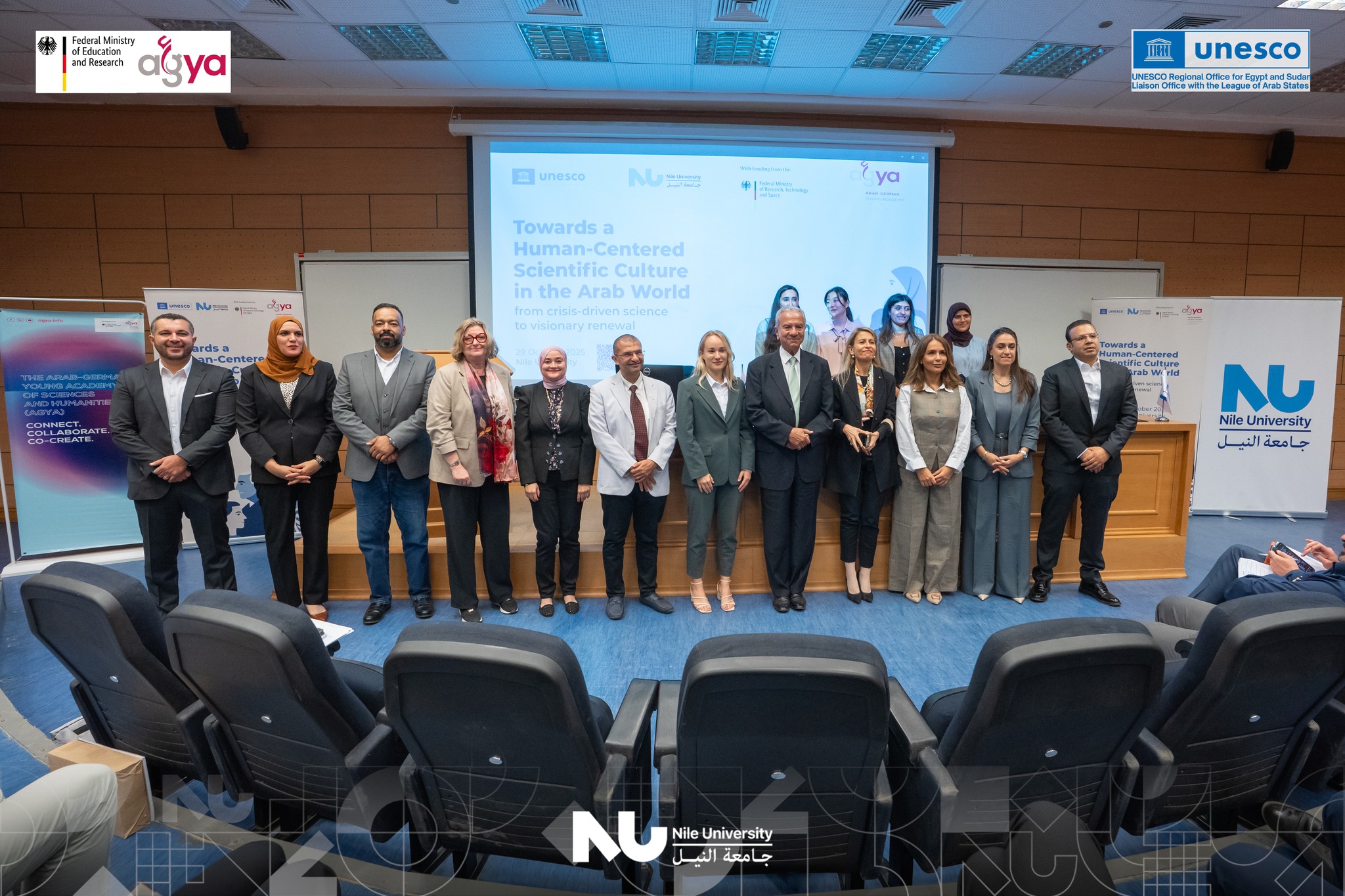 Towards a Human-Centered Scientific Culture in the Arab WorldFrom crisis response to visionary renewal, Arab science takes a bold step toward collaboration and cultural resonance.
- 🌍 Scientists in the Arab world want to work together to make science help people's everyday lives and make communities happier and stronger.
- 🏫 At a big meeting in Cairo, many teachers, scientists, and students talked about how science should be kind, fair, and focused on helping everyone.
- 🤝 The speakers explained that countries in the region share language and culture, which makes it easier for them to learn together and create new ideas.
- 🎨 They also said that stories, books, and fun characters can make science exciting and easier for children and adults to understand.
- 🤖 The event showed that the future of science includes teamwork, new technology, and listening to young people so science can support a better world.
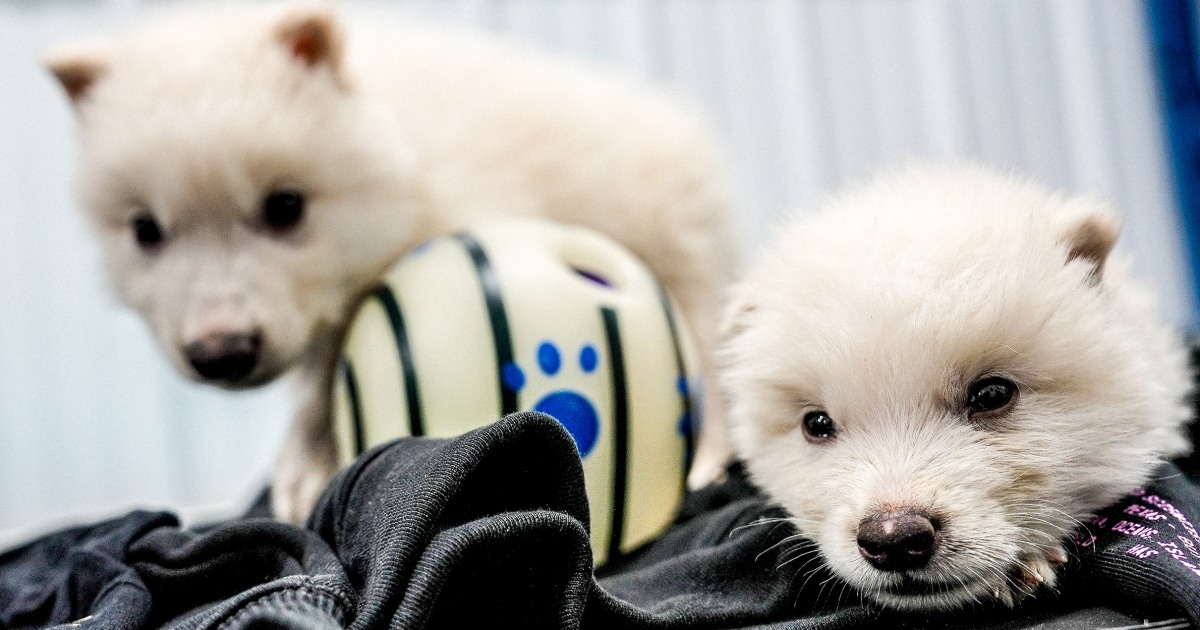 Should scientists be allowed to edit the genes of wild animals? Top conservation groups just voted yesThe world's largest network of environmental groups approved the exploration of genetic engineering tools to aid in the preservation of animal species.
- 🧬 Big nature groups from around the world met in Abu Dhabi to decide if scientists can change the genes of wild animals and plants to help save them from dying out.
- 🌍 They voted yes to exploring gene editing but said scientists must be very careful, test safely, and explain risks before trying anything in nature.
- 🐺 Some scientists already change the DNA of animals, like mosquitoes, to stop diseases such as malaria. Others even brought back an extinct dire wolf in a lab.
- ⚗️ Not everyone agrees, some groups worry that changing genes could hurt the environment in ways we can't undo.
- 🌿 Supporters say this new science might help animals survive climate change and protect nature for the future.
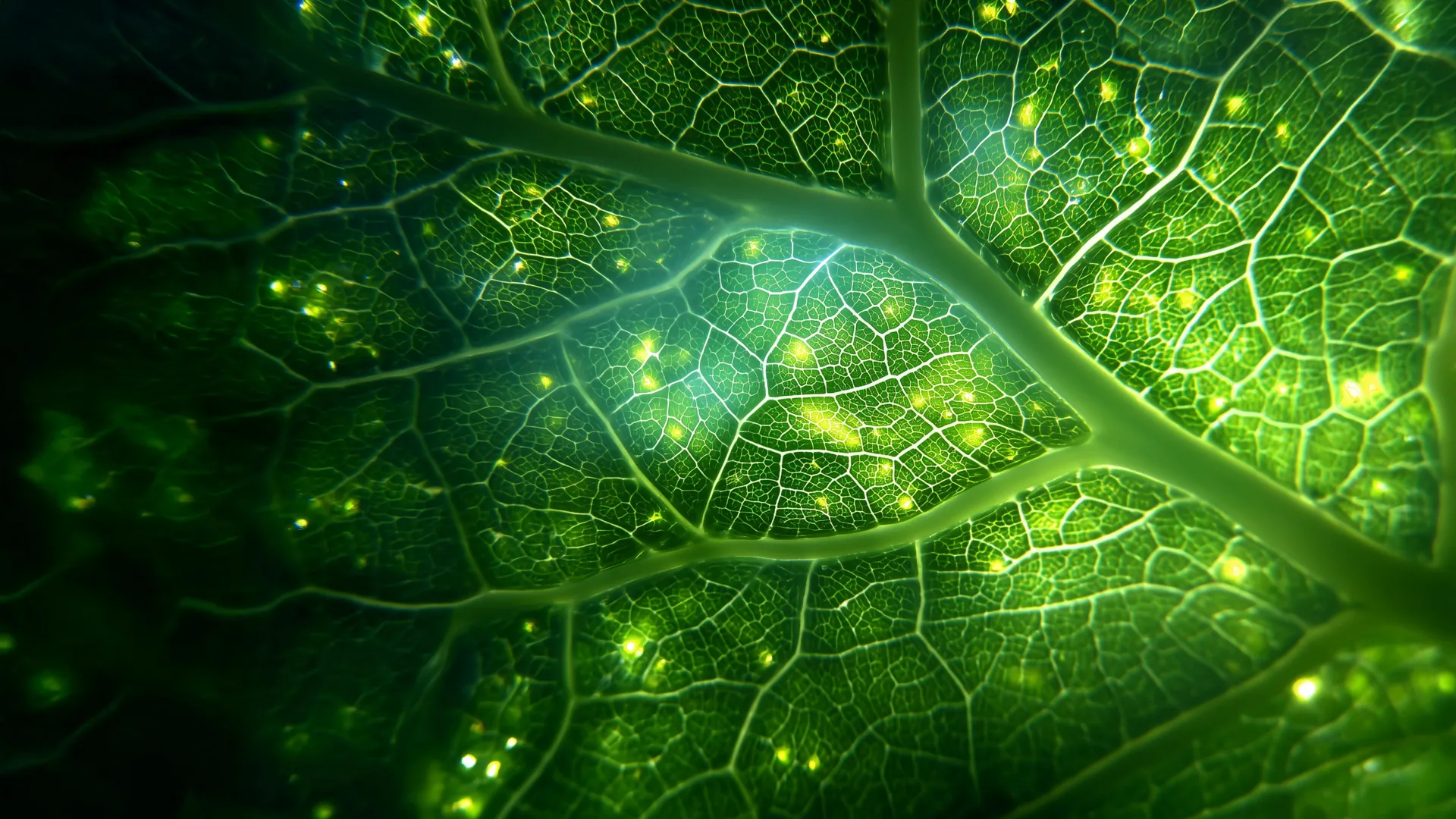 Decades-old photosynthesis mystery finally solvedScientists from the Indian Institute of Science and Caltech have finally solved a decades old mystery about how photosynthesis really begins.
- 🌞 Scientists from India and California finally solved a big mystery about how plants use sunlight to make energy, something they do through photosynthesis.
- 🌿 Inside plants, tiny parts called Photosystem II help turn sunlight into energy by moving electrons, which are like tiny sparks of power.
- ⚡ For years, scientists wondered why energy only travels down one of two possible paths inside this system, and now they know it is because the second path has a much higher energy wall that blocks electrons.
- 🔬 Using super fast computers, the team found that one path called D1 is easier for electrons to move through, while the other called D2 slows them down.
- 💡 This discovery could help people design artificial leaves in the future, machines that copy plants to make clean energy from sunlight.
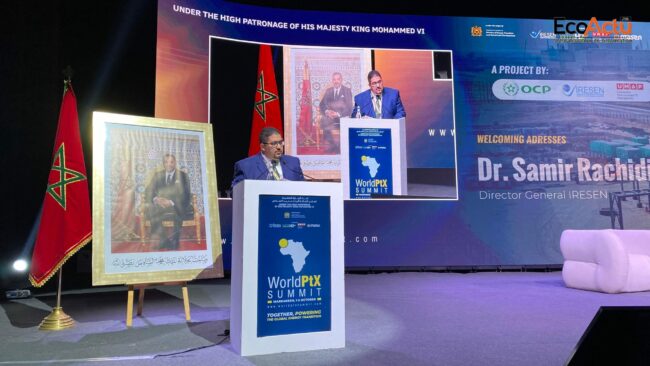 Morocco-Spain launch energy transition projects through joint innovation programMorocco and Spain continue strengthening scientific and technological cooperation in renewable energy through two new projects selected under the INNO-ESPAMAROC ENERGY call for proposals.
- 🌍 Morocco and Spain are teaming up to create new green energy projects that help protect the planet and make clean power like solar and wind energy stronger.
- ⚡ They chose two special projects, one turns roads into energy by capturing power from cars driving over them, and another makes clean drinking water using solar energy in dry areas.
- 🏗️ The projects mix smart science, like nanotechnology and recycling, to make things that really work in the real world, not just in labs.
- 🤝 Scientists and companies from both countries are working together to share ideas, jobs, and training to help young people and experts learn about clean technology.
- 💚 These efforts help Morocco and Spain lead in green energy and show how countries can work together to fight climate change and build a cleaner, better future.
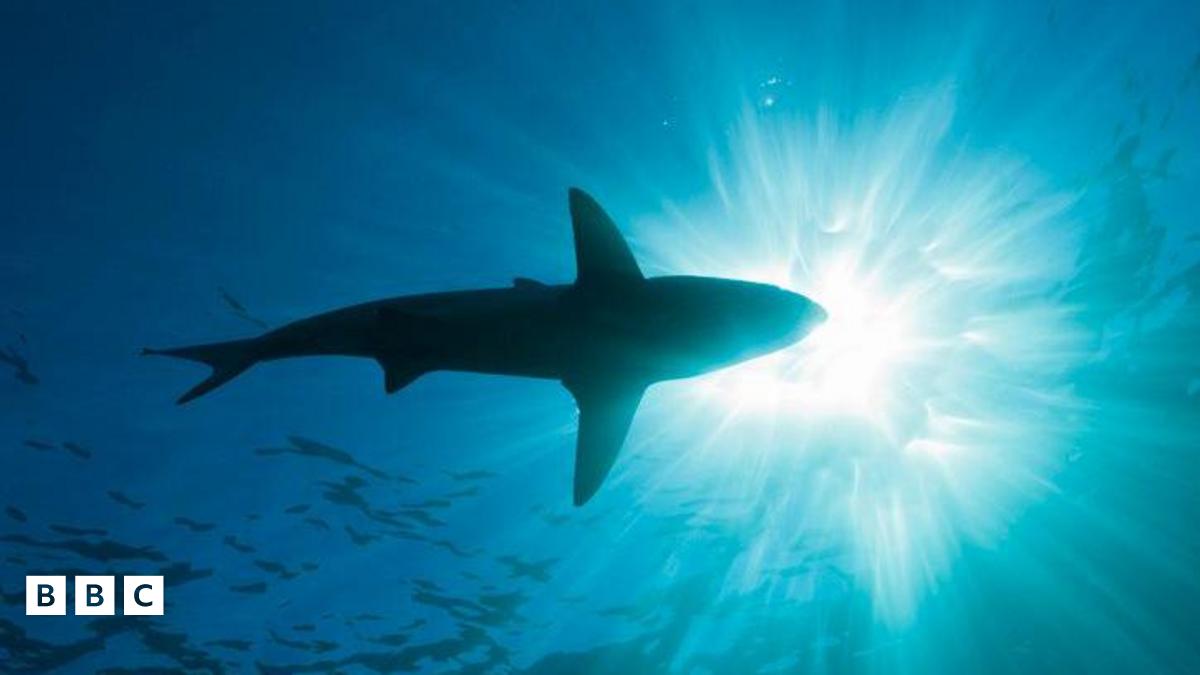 Australian scientists test new shark bite resistant wetsuitsTraditional suits are usually made of metal and although protective, they are often too heavy for activities like surfing or diving.
- 🐬 Scientists in Australia are testing new materials for wetsuits that can help protect people from shark bites.
- 🦈 Normal shark proof suits are made of metal, which is very heavy and hard to move in, especially for surfers.
- ⚓ The new suits use strong, light rope like fibers, similar to those used in sailing, making them both flexible and protective.
- 🏝️ Shark bites do not happen often, but they can worry beach towns that rely on tourists, so safer suits could help.
- 👨🔬 Tests showed the new materials can reduce damage from shark bites better than the usual neoprene wetsuits, which could make swimming, surfing, and diving much safer in the future.
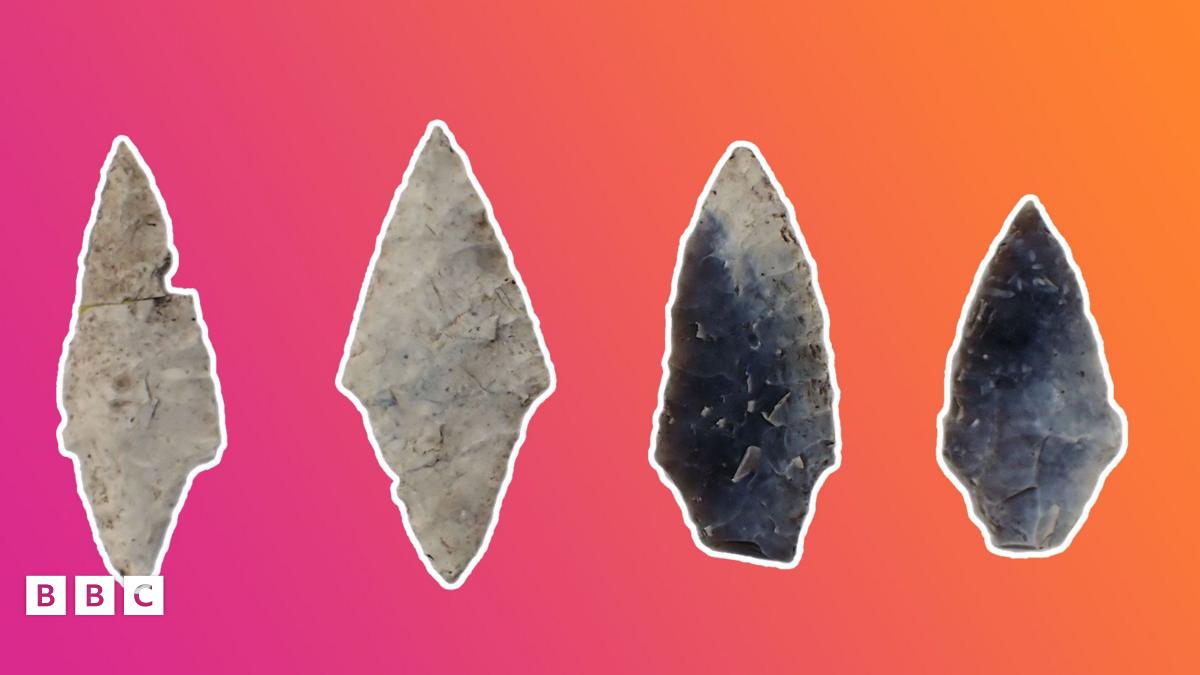 Stone Age tools give new insight into life for women and childrenResearchers have found that stone tools were just as or even more likely to be buried with women as well as men.
- 🪨 Scientists studied a Stone Age burial site in Latvia and found special stone tools buried with both men and women.
- 🧑🤝🧑 People used to think only men hunted and built things, while women cooked and cared for families, but the tools show women did these jobs too.
- 🔍 Using microscopes, researchers discovered the tools were used for working with animal skins, which came from hunting.
- 👩🔧 The tools were sometimes buried even more often with women than men, showing they were skilled hunters and tool users.
- 🌍 This discovery changes how we imagine Stone Age life, teaching us that both men and women shared important jobs in their families and communities.
 What is flow state? Here's the science behind top athletes' laser focus.Flow state isn't just for top runners and creatives. Neuroscientists share how to tap into peak focus like a pro.
- 🌊 Flow is like a magic focus mode; when people like athletes, musicians, or artists are so focused on what they are doing that they forget about time and worries.
- 🧗 It happens during challenges, like when a climber faces a super tough wall or when a musician plays a hard song. The challenge must match their skill level, hard but not impossible.
- 🧠 The brain works differently in flow, instead of working harder, the brain relaxes in some areas so that skills take over automatically, almost like autopilot.
- 🎸 Experts reach flow more easily, experienced athletes or musicians enter flow more often because they have practiced enough to let their brain and body take control.
- ✨ Anyone can find flow, whether climbing, painting, playing games, or even cleaning, flow comes as a reward for practicing and pushing yourself just enough.
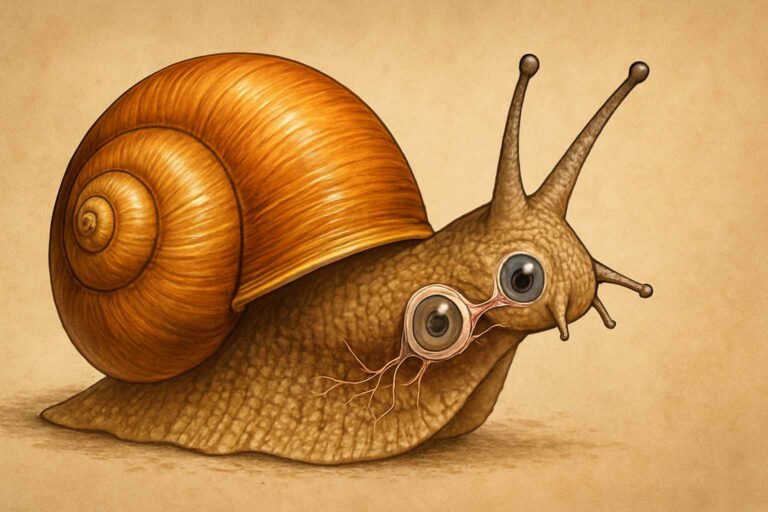 Can Snails Help Humans Regrow Eyes?What if you could grow a brand new eye just like that? Sounds like science fiction, right? Well, for one special snail, it's not fiction, it's just normal life!
- 🐌 The golden apple snail can regrow a whole new eye in about a month if it loses one, something humans can't do yet.
- 🔍 These snails have camera type eyes like ours, with a lens, retina, and optic nerve that all work together to see.
- 🧬 Scientists discovered a special gene called pax6 that is key for growing eyes in both snails and humans, and they used a tool called CRISPR to study it.
- 🧠 Learning how snails regrow eyes could help doctors one day figure out how to help humans regrow or heal their own eyes.
- 🤯 Fun fact, some snails can even regrow their entire head, not just their eyes, amazing, right?