🏺 History
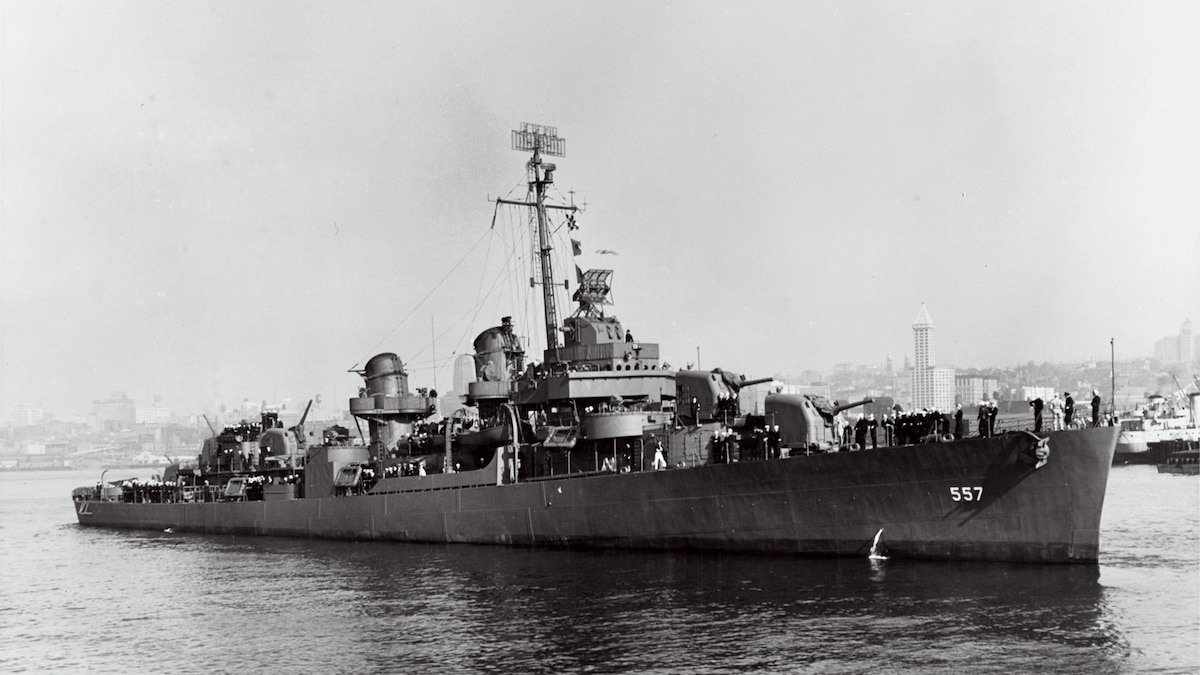 How one heroic crew helped win World War II's largest naval battleOutnumbered and outgunned, the crew of the U.S.S. Johnston fought overwhelming odds before their ship sank more than 21,000 feet into one of the world's deepest submarine chasms.
- 🛳️ Tiny ships, big bravery: A small group of American ships called Taffy 3 faced a huge Japanese fleet near the Philippines in 1944.
- 💥 Fearless fighting: Even though they were outnumbered and outgunned, Taffy 3's planes and destroyers attacked bravely and scared the Japanese into retreating.
- 🎖️ Heroic captain: Cmdr. Ernest E. Evans led the U.S.S. Johnston with incredible courage, risking everything to protect other ships.
- 🌊 Heavy sacrifice: The Johnston sank, and many sailors did not survive, but their bravery helped win the battle.
- 🏆 The Battle off Samar was part of the largest naval battle of WWII, helping the Allies defeat Japan and change the course of the war.
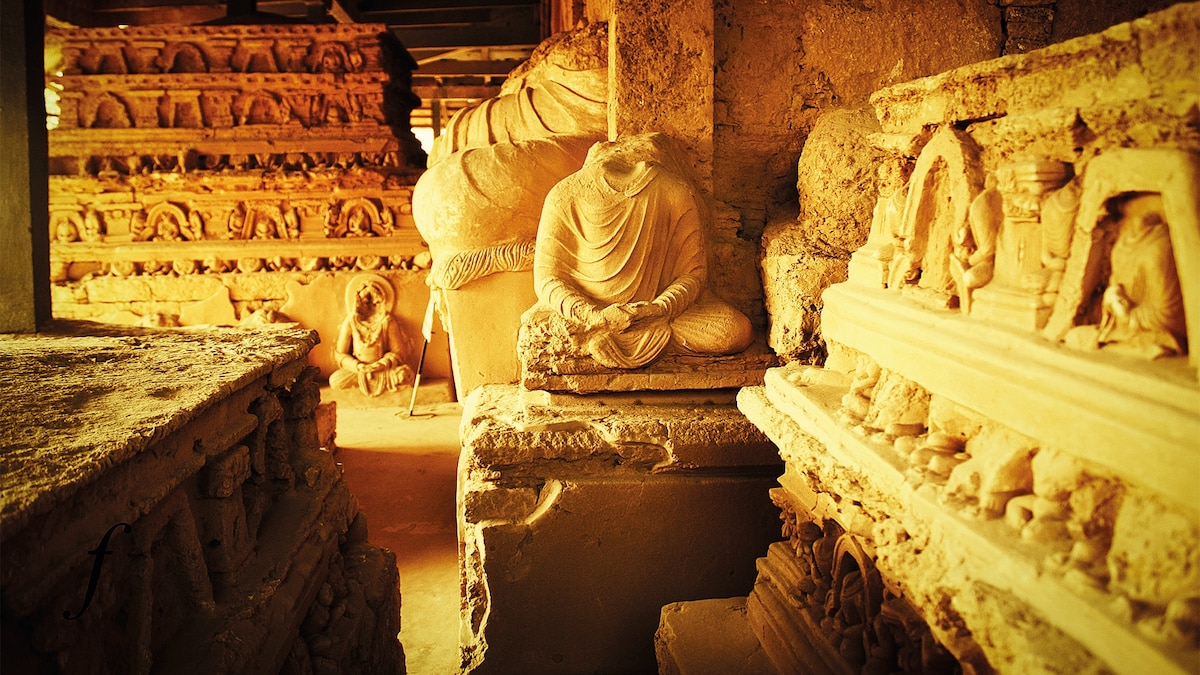 This ancient trading city in modern-day Pakistan had a surprising Greek influenceIn the late 1800s archaeologists pinpointed the location of Taxila, one of the greatest religious and cultural sites on the Silk Roads' trading routes. Rebuilt again and again throughout the centuries, its artifacts have survived to tell a unique story.
- 🕌 Taxila is a very old city in Pakistan, built around 3,000 years ago, where people lived, traded, and learned about different religions.
- 🌏 Because it was on important trade routes, Taxila had ideas from India, Greece, Persia, and more, making it a city where cultures met.
- 📚 Taxila became a center for Buddhism, with monasteries, stupas, and schools where people studied and practiced their faith.
- 🏺 Archaeologists like John Marshall dug up Taxila's ruins in the 1900s, finding treasures, statues, and buildings showing Greek and Indian styles mixed together.
- 🌟 Today, Taxila is protected by UNESCO, helping everyone remember its amazing history of trade, learning, and culture.
🎖️ Fun Fact!
The USS Johnston was only 376 feet long, but it bravely attacked Japanese battleships that were over 800 feet long! The captain, Ernest Evans, was the first Native American in the Navy to receive the Medal of Honor.