
Space

What is hiding beyond the sky? Explore Space News full of rockets, planets and star secrets!

🌕 Moon Missions and Astronauts
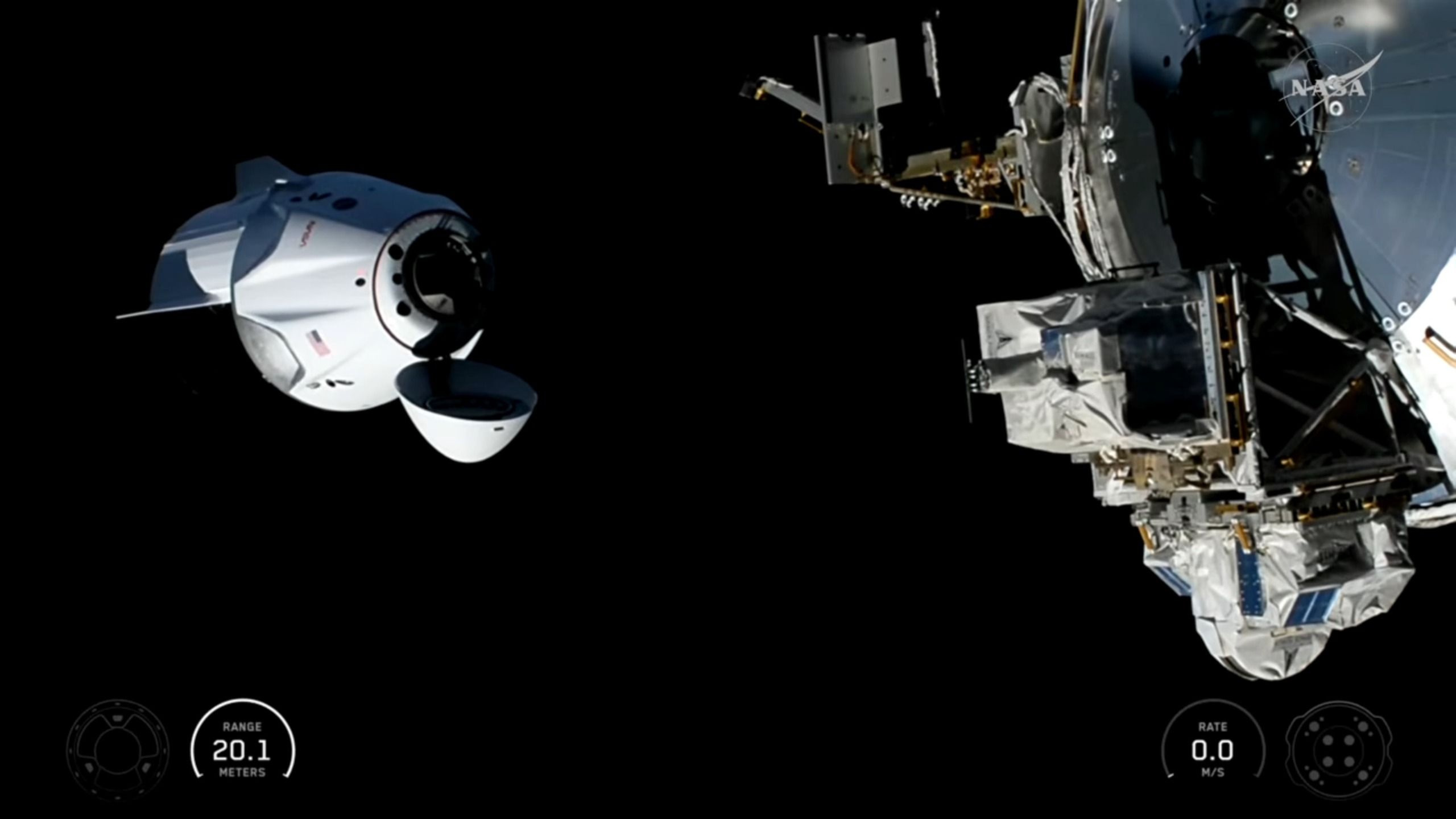
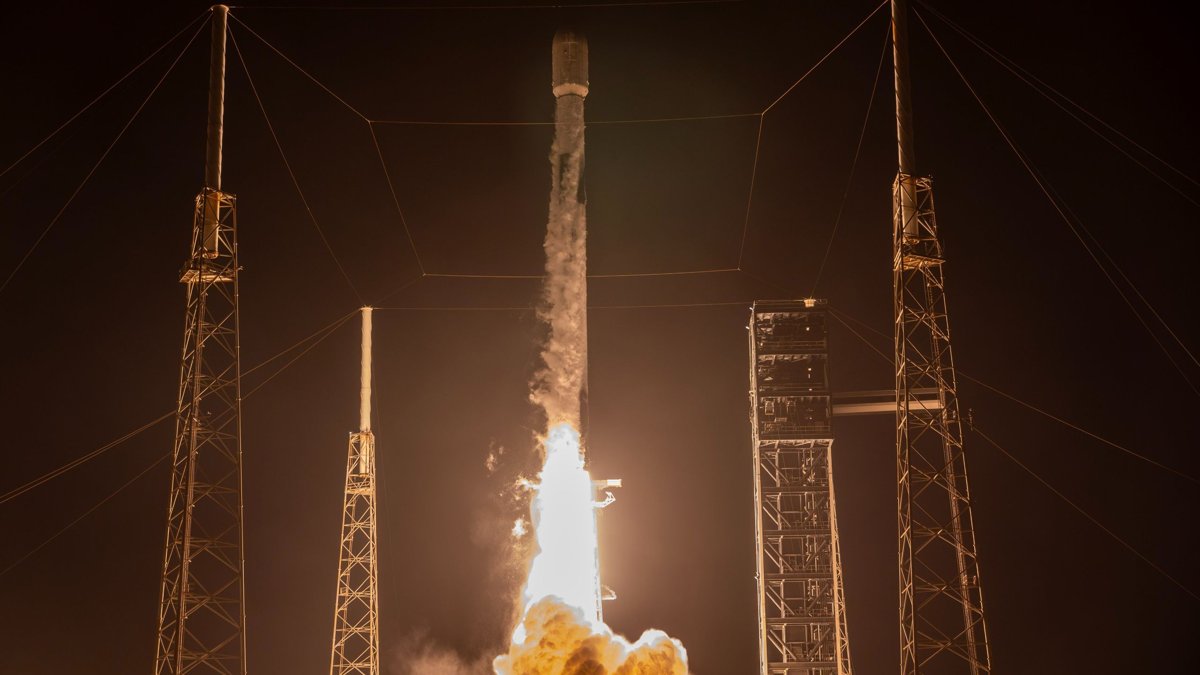
Crew 13 astronauts reach the space station in record timeSpace.com · 01.10.26Crew 13 astronauts reach the space station in record timeFour astronauts reached the International Space Station just 7 hours and 55 minutes after launch, the fastest trip ever by an American spacecraft.
  • 🚀 The Crew 13 mission launched from Florida on a SpaceX rocket.
  • ⏱️ It docked with the space station in under eight hours, a new American record.
  • 👩‍🚀 The crew includes astronauts from the USA, Canada and Russia.
  • 🌍 The space station was in just the right spot, which made the trip extra short.
  • 🔬 The astronauts will live and do experiments in space for about six months.
📰 Full edition: 27 September - 3 October 2026
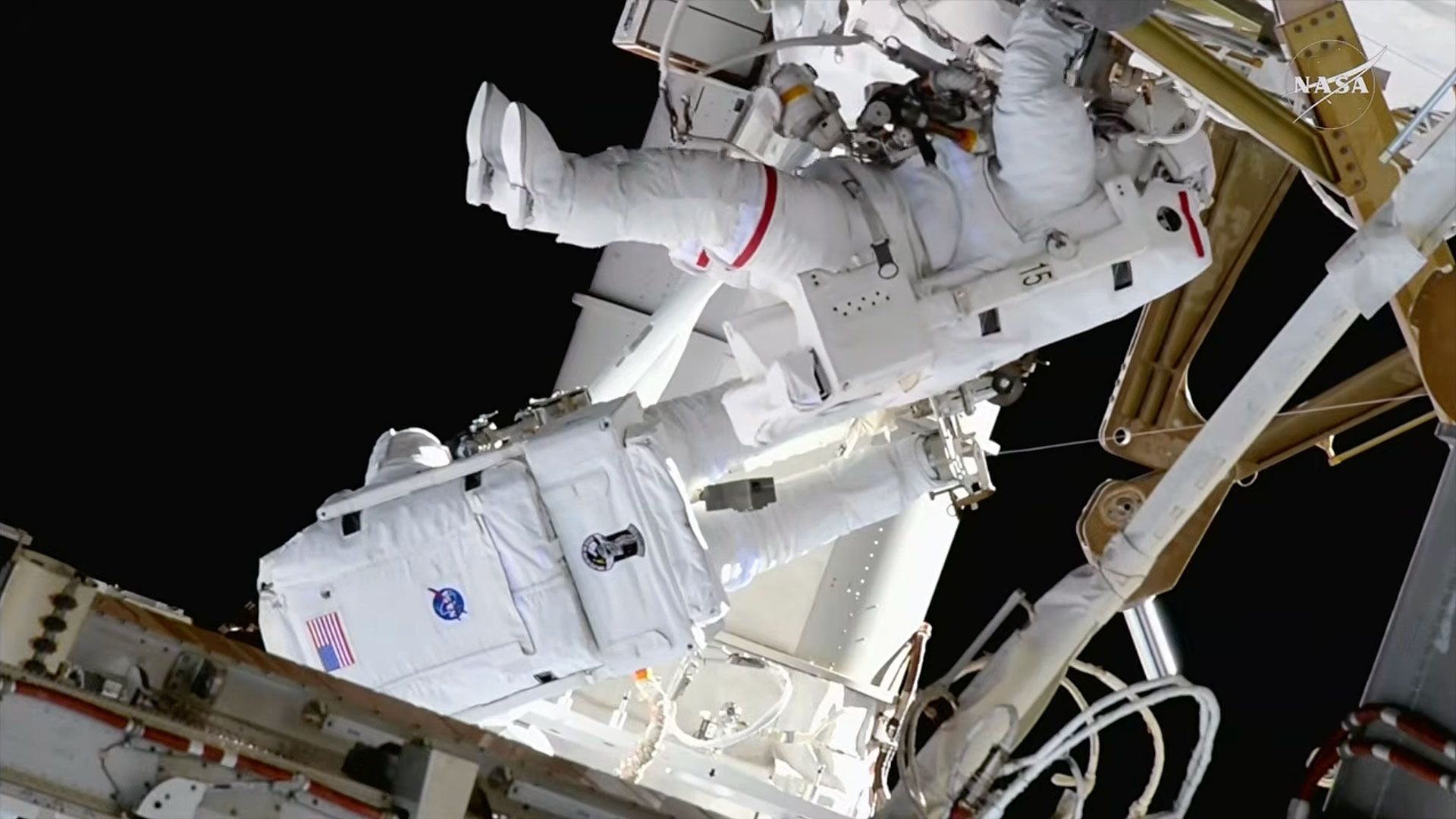
NASA astronauts do a six and a half hour spacewalkSpace.com · 04.08.26NASA astronauts do a six and a half hour spacewalkTwo astronauts worked outside the Space Station to get it ready for new solar panels.
  • 🚀 Two astronauts stepped outside the Space Station for a very long spacewalk.
  • ⏱️ Jessica Meir and Anil Menon worked outside for six and a half hours.
  • 🔧 They were getting the station ready for new solar panels called iROSA.
  • ☀️ These new panels will give the space station more power from the sun.
  • 🥳 It was the very first spacewalk ever for astronaut Anil Menon.
📰 Full edition: 02-08 August 2026
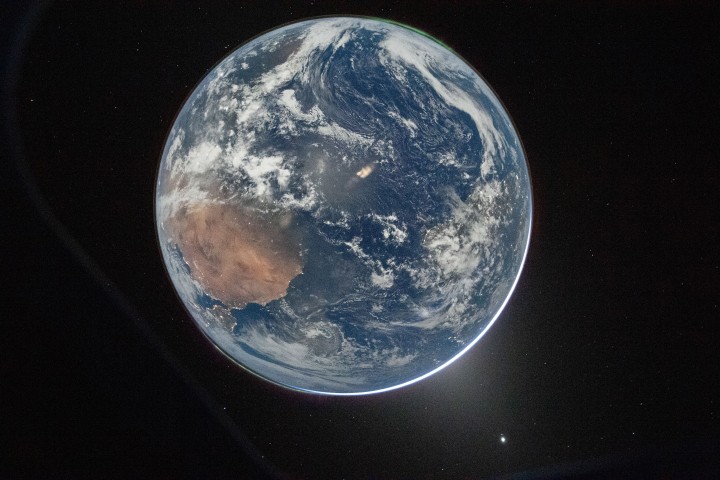
Artemis II photographs Earth lit by moonlightNASA · 04.06.26Artemis II photographs Earth lit by moonlightThe crew captured green auroras and city lights from the Orion spacecraft.
  • 🚀 NASA's Artemis II mission sent astronauts around the Moon, and they took the most breathtaking photo of Earth lit only by moonlight!
  • 📷 The crew used a special camera set to an incredibly high sensitivity to capture the dark side of Earth glowing with green auroras and city lights.
  • 🛰️ The photo was taken from the Orion spacecraft after it left Earth's orbit and headed towards the Moon.
  • 🌅 In the picture, Earth appears to block the Sun, leaving just a tiny golden glow around its edge, it looks like something from a movie!
  • 🏅 Artemis II is NASA's first mission to send humans around the Moon in more than 50 years, and it is setting records along the way.

📰 Full edition: 14-20 June 2026
A rocket explosion could delay trips to the MoonCBS News · 29.05.26A rocket explosion could delay trips to the MoonBlue Origin's New Glenn rocket had a big accident during a test.
  • 💥 A large rocket named New Glenn had a big accident during a recent test.
  • 🔧 This explosion means the team at Blue Origin must check on their equipment.
  • 🌙 Scientists are worried the explosion might cause delays for special trips to the moon.
  • 🔍 Experts will look closely at what happened to make sure everything is safe.
  • 🛰️ NASA needs this giant rocket to help with very important space exploration goals soon.
📰 Full edition: 24-30 May 2026
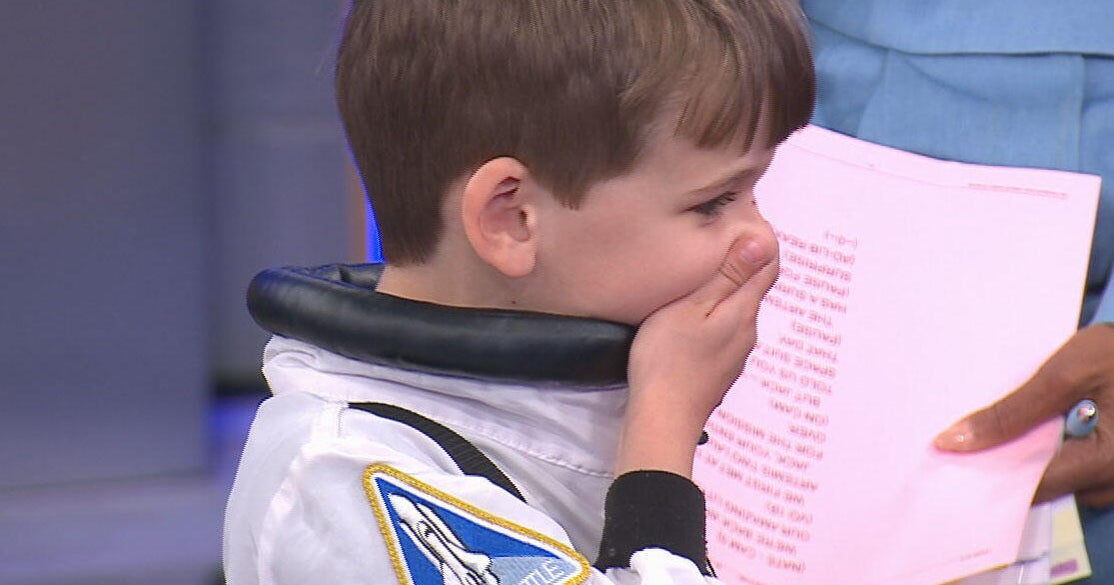
Artemis II crew gives 5-year-old aspiring astronaut Commander Jack a new spacesuitCBS News · 01.05.26Artemis II crew gives 5-year-old aspiring astronaut Commander Jack a new spacesuitThe Artemis II team gained a new member, and the crew made sure their youngest teammate had the right stuff.
  • 🚀 The Artemis II crew surprised a 5-year-old boy nicknamed "Commander Jack" who loves space.
  • 👨‍🚀 Astronaut Christina Koch gave him a special orange spacesuit just like the real crew wears.
  • 🧡 The suit even had "Commander" written on it and was signed by the astronauts.
  • 🌟 Jack was most excited when he saw the NASA name on the suit.
  • 🤗 He happily accepted the gift, showing how much the mission inspired him to dream of becoming an astronaut.
📰 Full edition: 26 April - 02 May 2026
NASA launches four astronauts around the Moon on Artemis IIBBC News · 31.03.26NASA launches four astronauts around the Moon on Artemis IIFour astronauts blasted off from Florida on a ten day trip around the Moon.
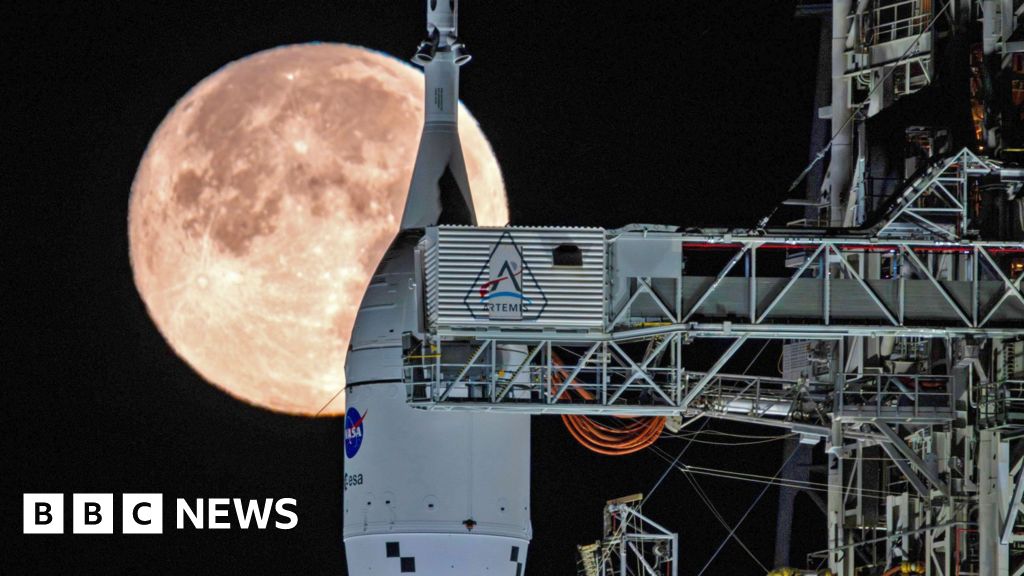
  • 🚀 Four astronauts blasted off from the Kennedy Space Center in Florida on the Artemis II mission.
  • 🛰️ They are flying on the giant SLS rocket inside the Orion capsule.
  • 🌙 The ten day mission will take them around the Moon, possibly farther from Earth than any humans have ever been.
  • 🌍 The crew is a diverse team from the United States and Canada.
  • 🔧 Engineers fixed small technical problems, like fuel leaks and sensors, before launch, and the mission will help build future Moon bases and prepare for Mars!
📰 Full edition: 29 March - 04 April 2026
NASA's Artemis II astronauts fly around the Moon and come safely homeNASA · 13.03.26NASA's Artemis II astronauts fly around the Moon and come safely homeFour astronauts travelled further from Earth than anyone in over 50 years, then splashed down in the Pacific.
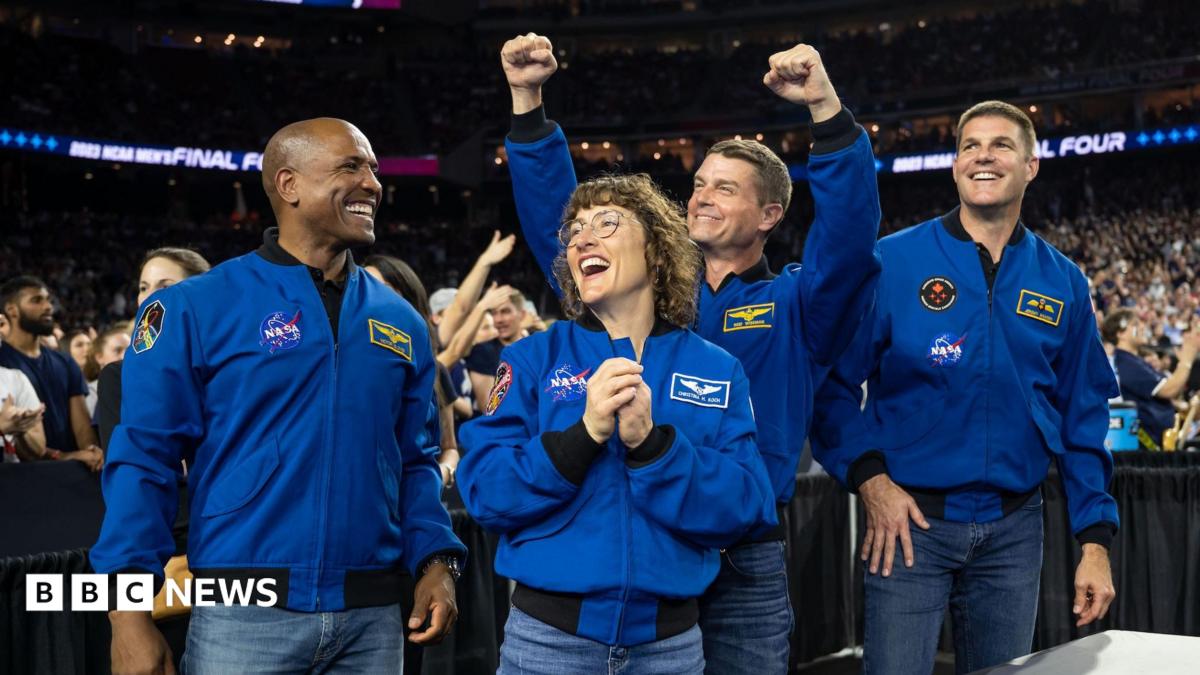
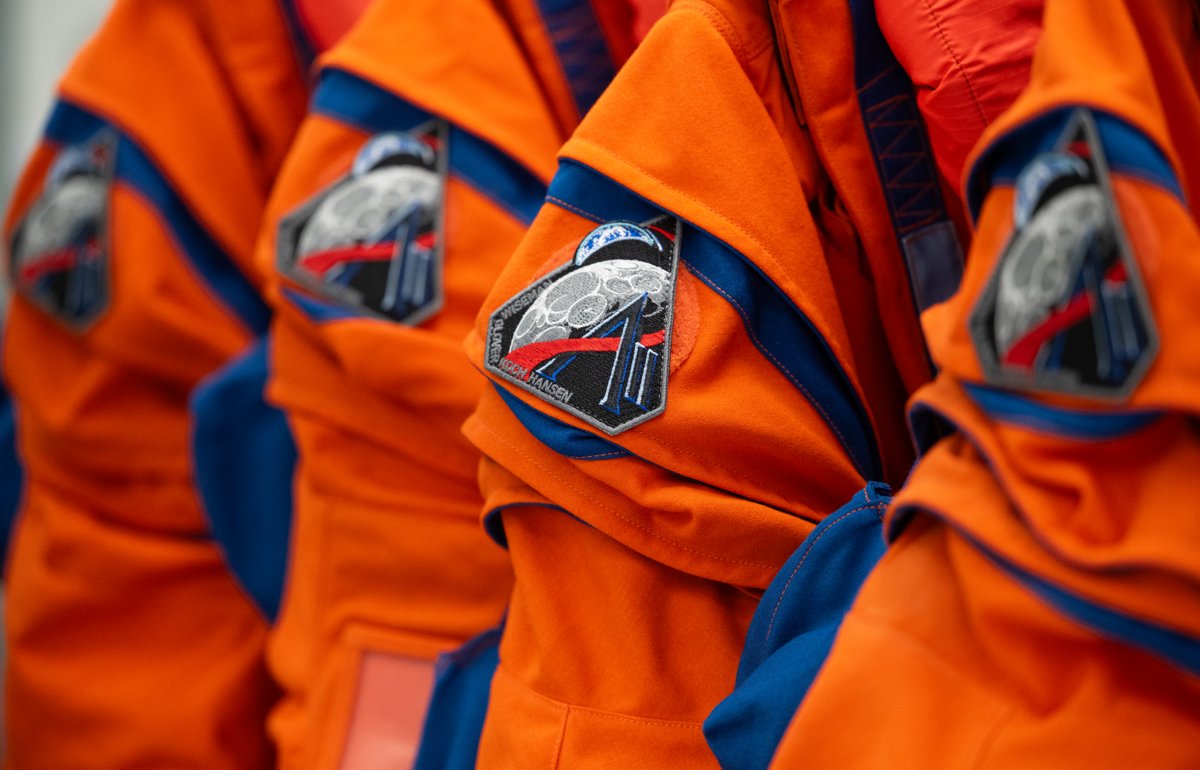
  • 🚀 The Artemis II mission carried four astronauts, Reid Wiseman, Victor Glover, Christina Koch and Jeremy Hansen, on a trip around the Moon.
  • 🌕 They did not land, but they flew around the far side of the Moon, seeing parts of it that no human eyes had seen up close for decades.
  • 📡 During the flight the crew tested the Orion spacecraft's systems to make sure it is ready for future missions that will land on the Moon.
  • 🪂 To come home, the capsule used giant parachutes and splashed down safely in the Pacific Ocean, where ships were waiting to pick up the crew.
  • 🧑‍🚀 Artemis II is a big step toward Artemis III, which plans to put astronauts back on the Moon's surface, including the first woman to walk there.
📰 Full edition: 08-14 March 2026
Nasa targets March 6 date to send humans back around the MoonBBC · 20.02.26Nasa targets March 6 date to send humans back around the MoonNasa set the launch date after a successful practice countdown of the Artemis II mission.
  • 🌕 Nasa wants to send four astronauts around the Moon in early March on a big rocket called the Space Launch System. This mission is named Artemis II and it will be the first time people travel that far in more than 50 years.
  • 🚀 The astronauts will fly in a small spacecraft called Orion. It is about the size of a minibus where they will eat, sleep, and work during their 10 day trip.
  • 🌍 First, they will circle Earth. Then they will travel for four days to go around the far side of the Moon, the side we cannot see from Earth.
  • 🌊 After flying around the Moon, they will return to Earth and land safely in the Pacific Ocean.
  • 👩‍🚀 If this mission goes well, Nasa hopes to land astronauts on the Moon again by 2028, just like during the Apollo 17 mission in 1972.
📰 Full edition: 15-21 February 2026
NASA to roll out rocket for Artemis 2 moon mission on Jan. 17Space · 10.01.26NASA to roll out rocket for Artemis 2 moon mission on Jan. 17Launch could come as soon as Feb. 6.
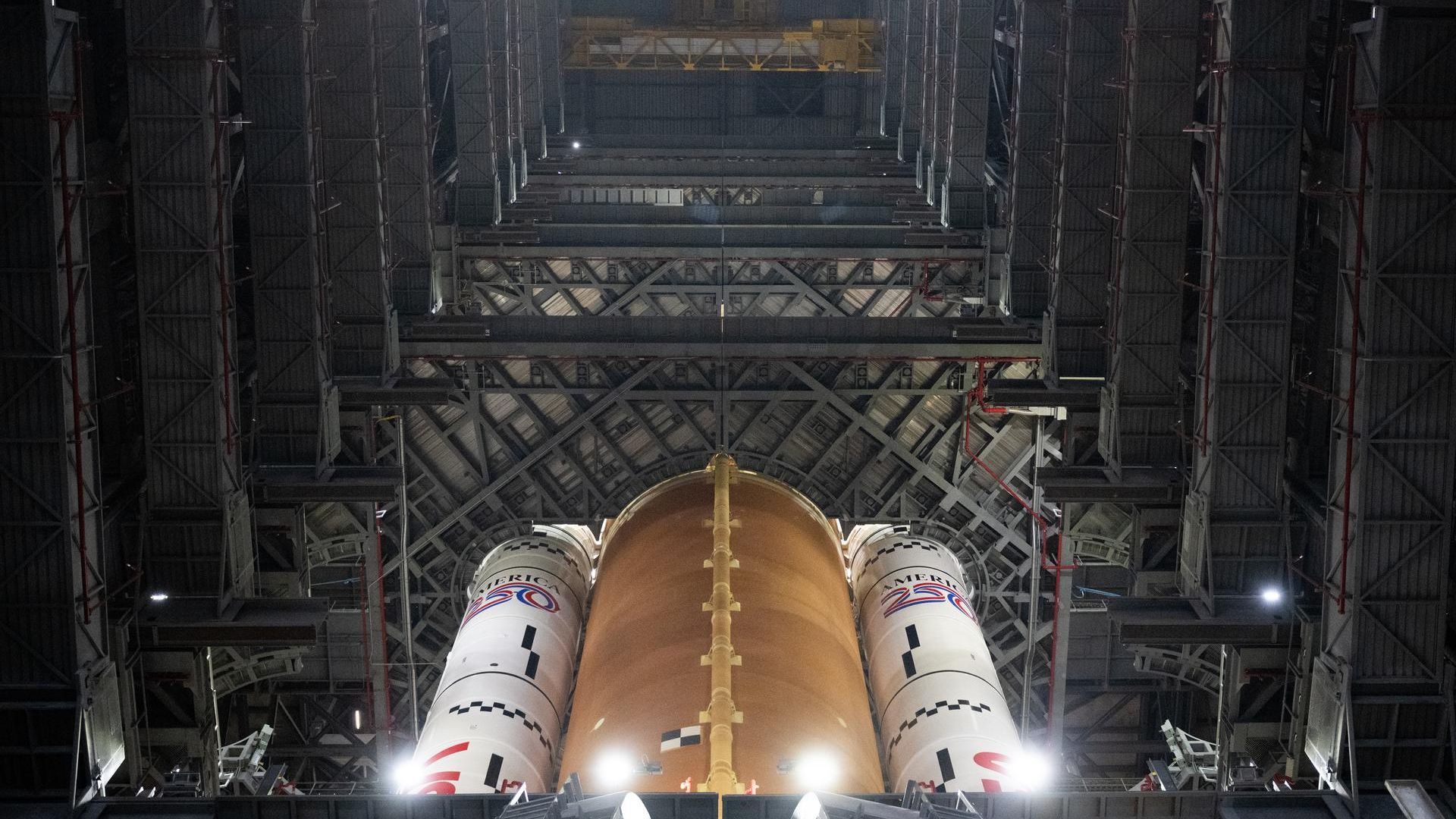
  • 🚀 NASA is getting a huge rocket ready for a moon trip. On January 17 the rocket will slowly move to the launch pad in Florida to be checked.
  • 🌕 This mission is called Artemis 2. It will send four astronauts on a ten day journey around the moon and then safely back to Earth.
  • 👩‍🚀 The astronauts will not land on the moon, but they will fly very close. This has not happened since astronauts went long ago.
  • 🔧 Before flying, NASA will do practice tests. They will fill the rocket with fuel and pretend it is launch day to make sure everything works.
  • 📅 If all tests go well and the weather is good, the rocket could launch as early as February 6. Everyone hopes for a safe and exciting mission.
📰 Full edition: 05-10 January 2026
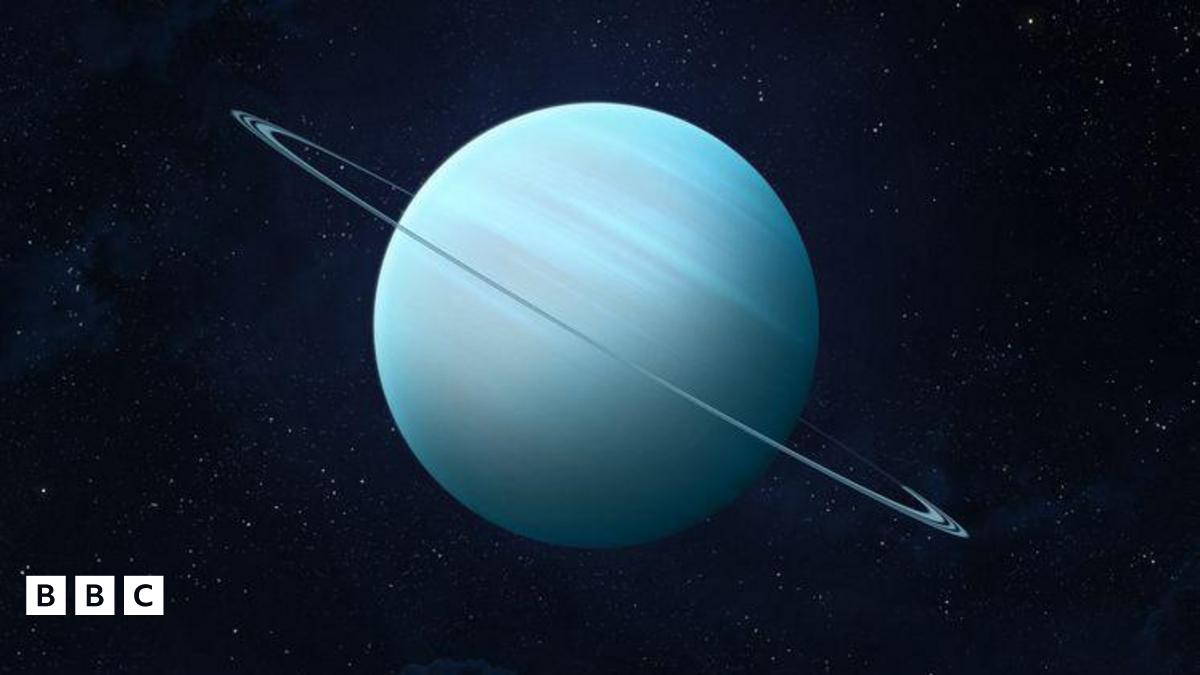
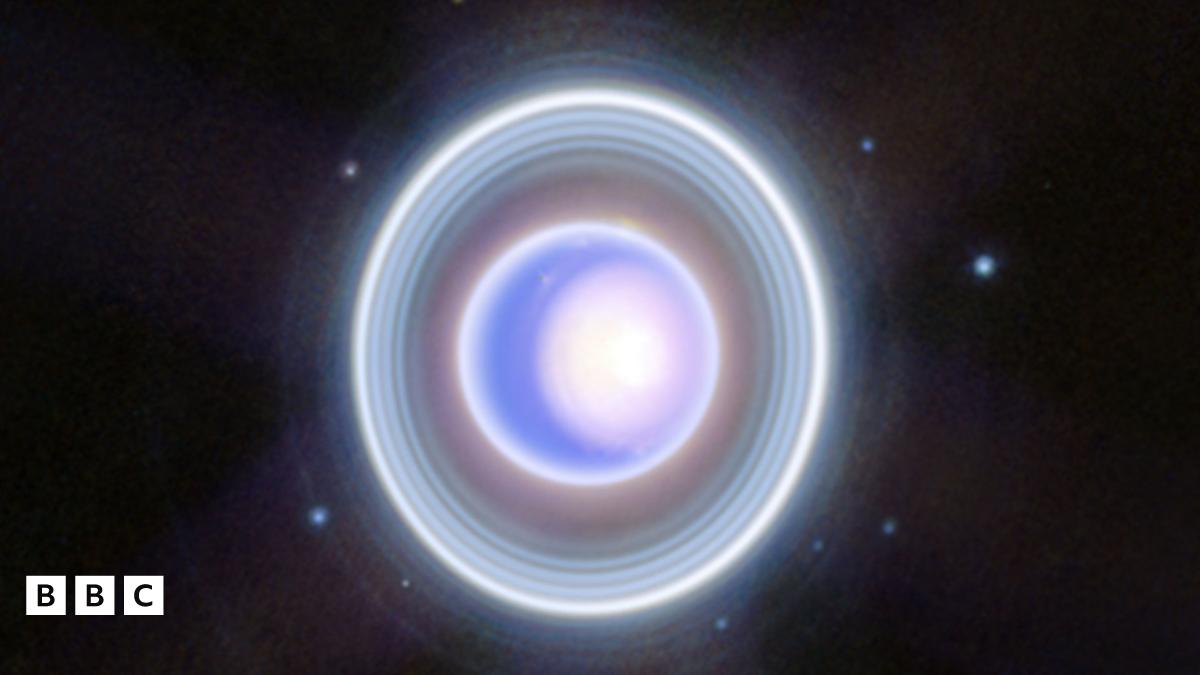
New Uranus moon discovered by James Webb space telescopeBBC Newsround · 20.08.25New Uranus moon discovered by James Webb space telescopeEven though S/2025 U1 is pretty tiny, measuring only 10km wide, the team behind the moon spotting say that it's big news.
  • 🌕 Scientists using the James Webb Space Telescope discovered a new moon around Uranus, the 29th moon!
  • 🔭 The moon is called S/2025 U1 for now and is about 10 km wide, so small that even Voyager 2 missed it.
  • 📷 The telescope found it by taking 40 minute long photos, which revealed this very faint moon.
  • 📚 The moon will get a real name later, just like Uranus' other moons named after Shakespeare and Pope's characters, such as Desdemona and Ophelia.
  • ❄️ Uranus is a cold, windy ice giant that looks blue because of methane in its atmosphere, and this discovery helps scientists learn more about it.

📰 Full edition: 18-24 August 2025
First Michelin-starred gourmet meal to be served in space in 2026BBC Newsround · 4.07.25First Michelin-starred gourmet meal to be served in space in 2026French astronaut Sophie Adenot has teamed up with a top chef to come up with a list of very fancy starters, mains and desserts to look forward to on her mission on the International Space Station.
  • 🍲 Astronaut Sophie is going to space with fancy food! Instead of boring space meals, she's bringing yummy dishes made by a famous chef.
  • 🧑‍🚀 She'll eat things like lobster soup and chocolate cream! That's way fancier than freeze dried space food.
  • 🍽️ Space food has to follow special rules. It can't be messy, heavy, or go bad quickly, it has to last for a long time!
  • 🫶 Sophie says sharing food helps astronauts become better friends. Everyone gets to taste each other's favourite meals and learn about their cultures.
  • ❓ What meal would you choose to eat in space? A cheesy pizza? Pancakes? Ice cream? Let your imagination blast off!

📰 Full edition: 01-06 July 2025

🚀 Rockets and Satellites

NASA's SpaceX Crew 12 splashes down after 237 days in spaceNASA · 08.10.26NASA's SpaceX Crew 12 splashes down after 237 days in spaceFour astronauts safely splashed down in the Pacific Ocean after more than seven months aboard the International Space Station.
  • 🌊 The Crew Dragon spacecraft, named Freedom, landed in the ocean near Los Angeles on 8 October.
  • 👩‍🚀 The crew was Jessica Meir, Jack Hathaway, Sophie Adenot from France and Andrey Fedyaev from Russia.
  • 📅 They spent 237 days living and working on the International Space Station.
  • 🛰️ During their mission they travelled more than 100 million miles around Earth.
  • 🪂 Big parachutes slowed the capsule down before it splashed gently into the sea.
📰 Full edition: 4-10 October 2026
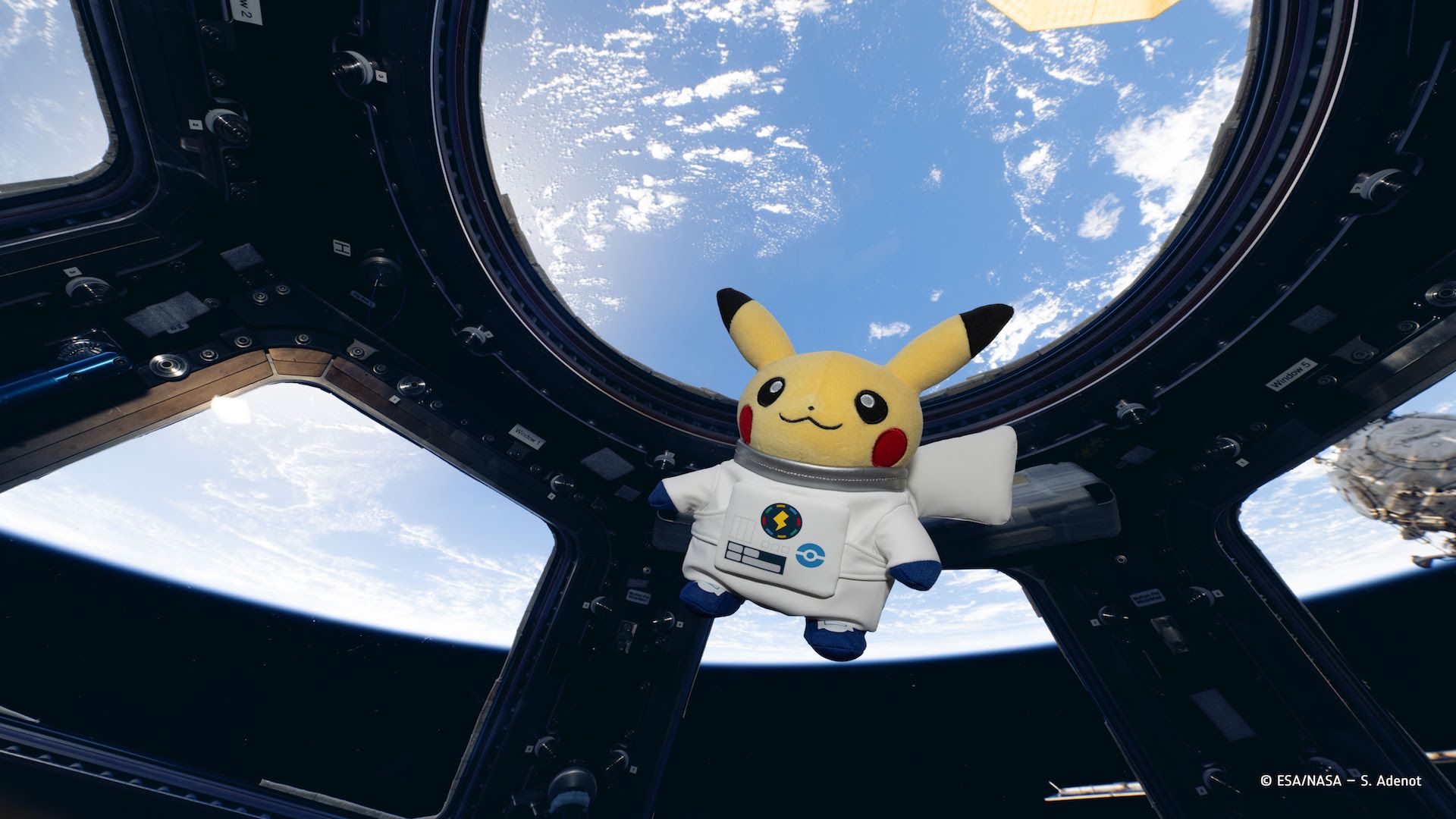
Pikachu in space! New ESA-Pokemon partnership sends the electric mouse to the ISSSpace.com · 18.09.26Pikachu in space! New ESA-Pokemon partnership sends the electric mouse to the ISSThe coming family-friendly exhibitions across Europe will unite science and imaginative visual storytelling.
  • ⚡ A toy Pikachu went flying to the International Space Station in outer space.
  • 🚀 Pikachu floated around with real astronauts for 67 days, zooming around Earth over 1,000 times.
  • 🤝 Pikachu's space trip is part of a fun new team-up between Pokémon and the European Space Agency.
  • 🖼️ Special Pokémon-and-space exhibits are opening at museums all across Europe this autumn.
  • 🎮 There will even be a special Pokémon GO game about space for trainers to play.
📰 Full edition: 13-19 September 2026
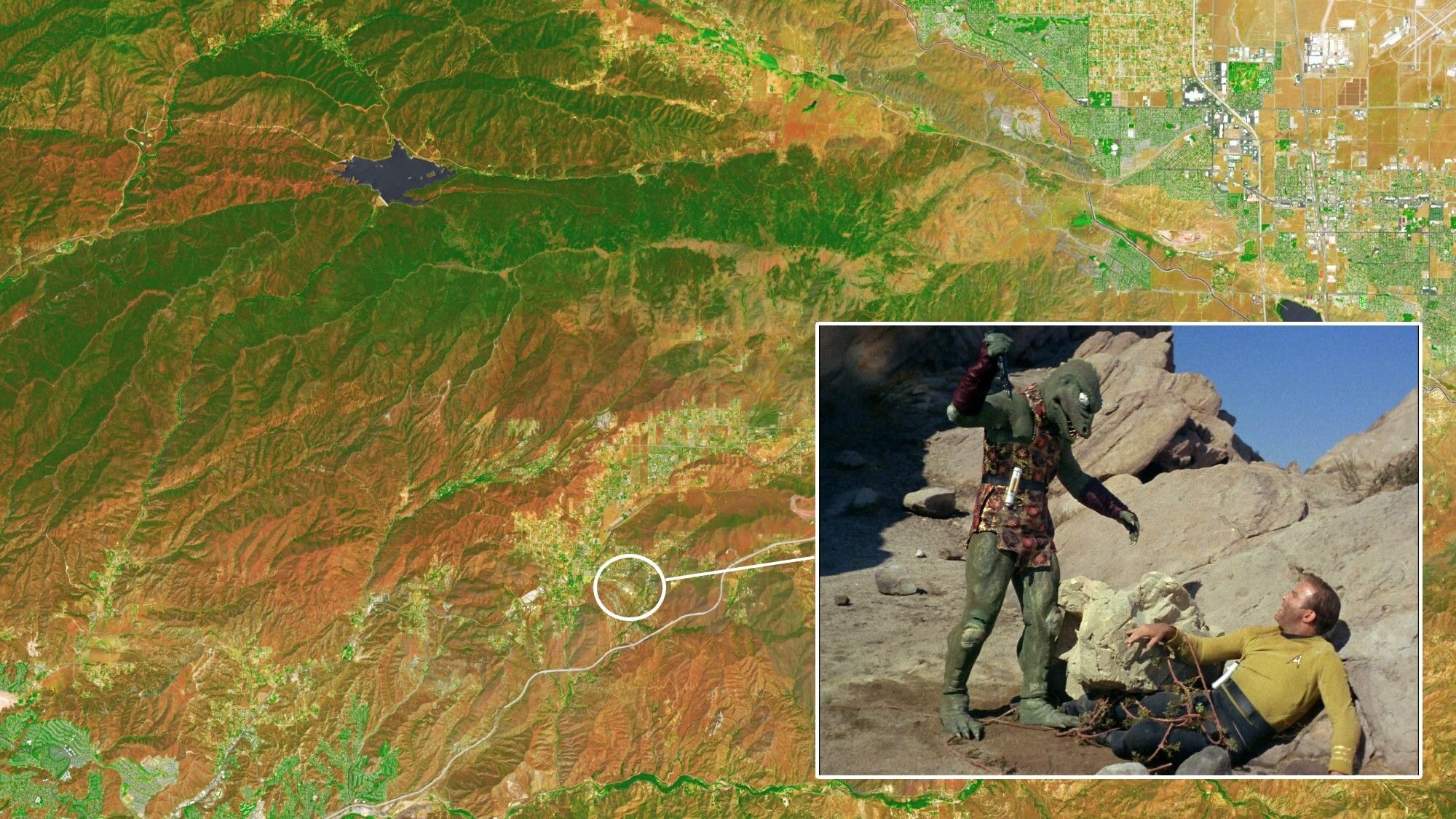
Iconic science fiction filming location spotted from spaceSpace.com · 10.09.26Iconic science fiction filming location spotted from spaceA satellite photographed the rocky California landscape used as an alien planet in a famous television series.
  • 🛰️ A NASA satellite snapped a photo of a rocky place in California.
  • 🖖 That very spot was used to film a famous alien planet in Star Trek.
  • 🪨 The huge, sun bleached rocks really do look like they are from another world.
  • 🎬 Lots of other movies and shows have filmed there too.
  • 🌎 It turns out Earth already has its own amazing alien looking places.
📰 Full edition: 06-12 September 2026
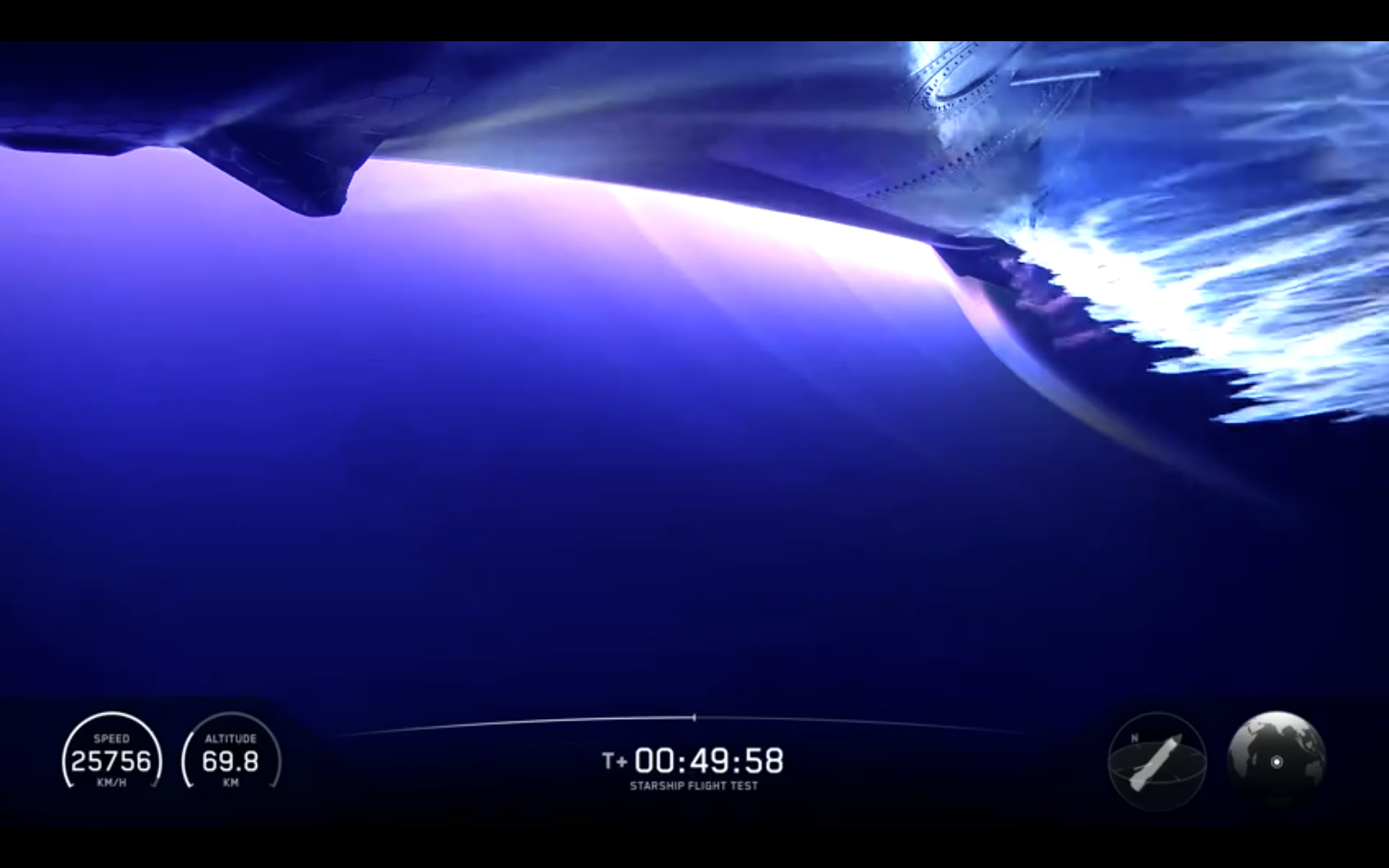
Starship carries Starlink satellites for the first timeSpace.com · 24.07.26Starship carries Starlink satellites for the first timeSpaceX launched its giant rocket from Texas after fixing engine problems.
  • 🚀 SpaceX launched its giant Starship rocket from Texas after a couple of delays.
  • 🛰️ The rocket carried brand new Starlink satellites into space for the very first time.
  • 📡 These satellites will help beam internet signals down to Earth.
  • 🔧 Engineers had to fix engine problems before the rocket was ready to fly.
  • 🌟 It is a big step forward in SpaceX's plan to build bigger and better rockets.
📰 Full edition: 19-25 July 2026
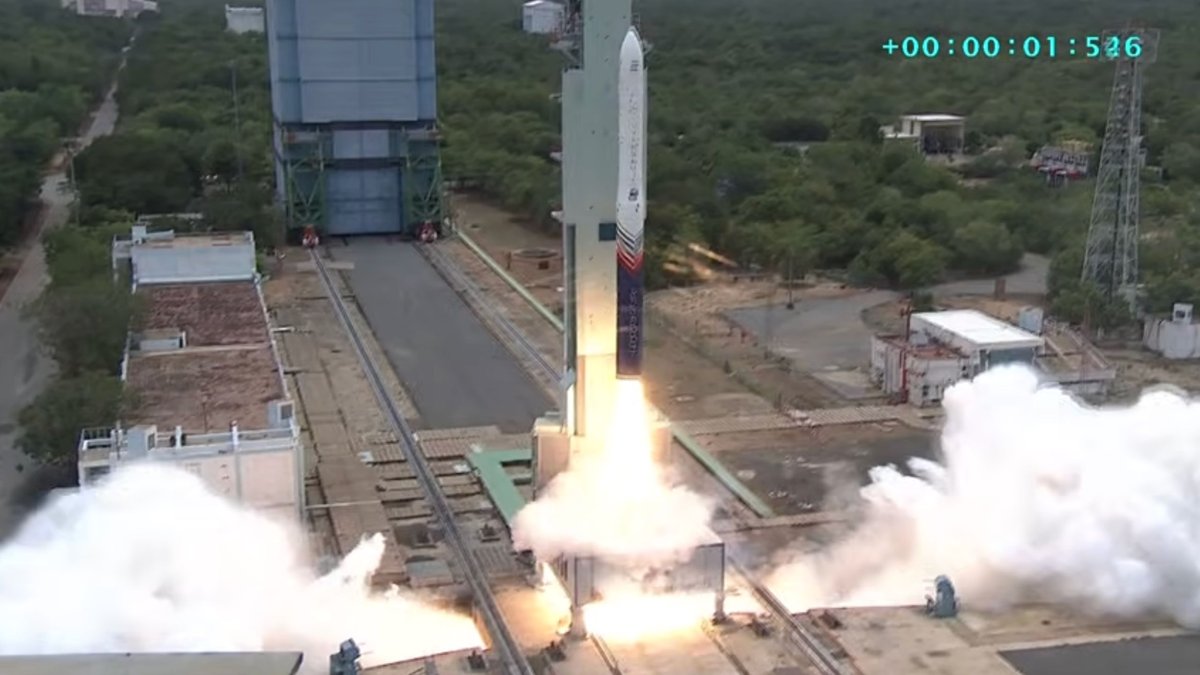
India's first private rocket, Vikram 1Space.com · 17.07.26India's first private rocket, Vikram 1A company called Skyroot built a rocket to carry small satellites into space.
  • 🚀 India is about to launch its very first privately built rocket into space.
  • 🇮🇳 The rocket is called Vikram 1 and comes from a company named Skyroot.
  • 🛰️ It will carry small satellites and even a tiny gold rocket for good luck.
  • ⏰ Lift off is planned for very early Saturday morning.
  • 🎉 Nearly 1,000 people worked for years to make this launch happen.
📰 Full edition: 12-18 July 2026
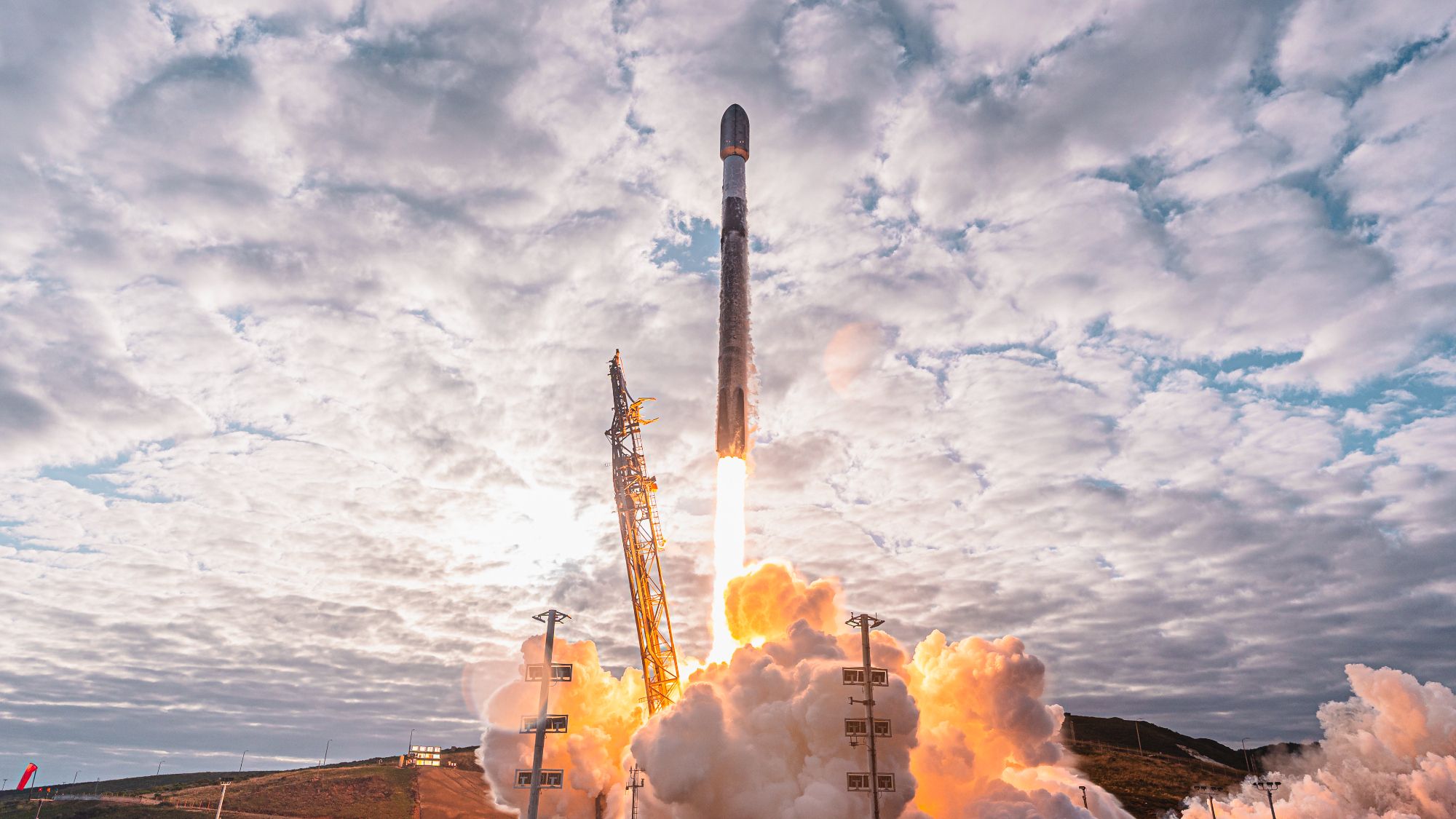
A SpaceX rocket flies for a record 36th timeSpace.com · 09.07.26A SpaceX rocket flies for a record 36th timeThe Falcon 9 carried 29 small satellites and landed safely on a ship at sea.
  • 🚀 A SpaceX rocket flew to space for a record breaking 36th time.
  • 🛰️ The rocket carried 29 small satellites up into the sky.
  • 🌊 After launching, the rocket landed safely on a ship out at sea.
  • 🥇 This rocket has now flown more times than any other SpaceX rocket ever.
  • 🌙 It only needs three more flights to match the all time record set by a NASA space shuttle.
📰 Full edition: 05-11 July 2026
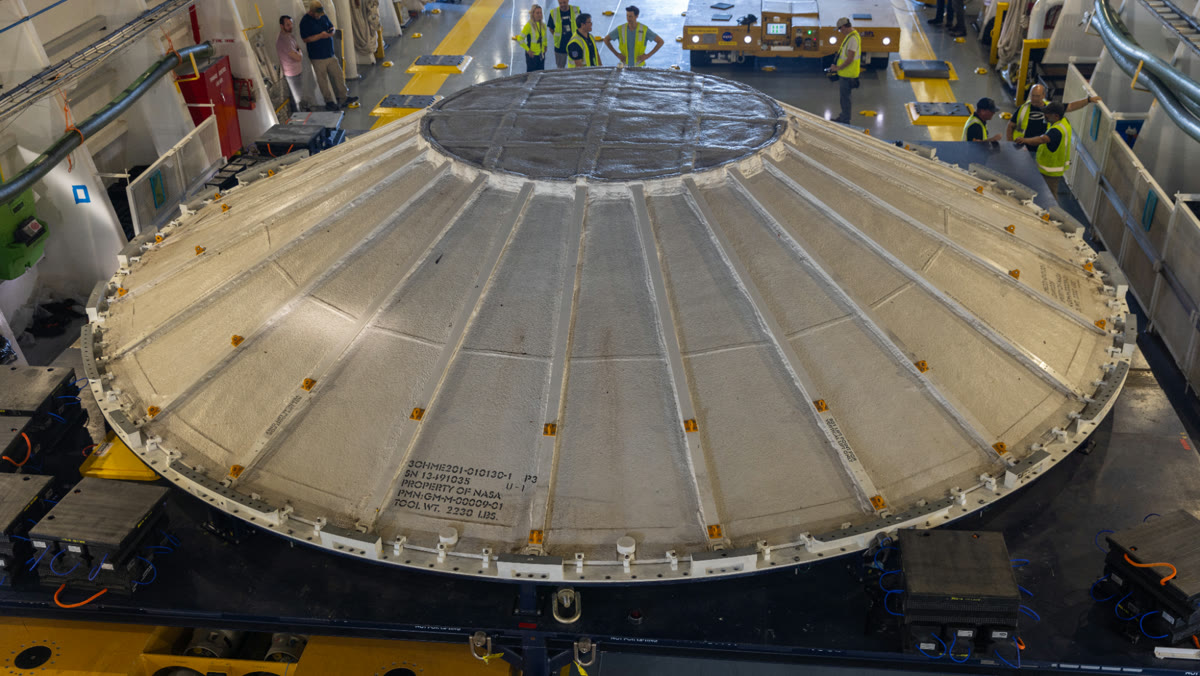
A flying saucer arrives at NASASpace.com · 02.07.26A flying saucer arrives at NASAIt is really a cover that protects part of the Artemis 3 moon rocket.
  • 🛸 A NASA photo this week looked just like a flying saucer from outer space!
  • 🚀 It's actually a special cover that protects a giant moon rocket from bad weather.
  • 🌊 It travelled to Florida on a huge ship called the Pegasus barge.
  • 🌕 The rocket is being built for a big moon mission called Artemis 3.
  • 👽 The timing was extra fun because it arrived right around World UFO Day.
📰 Full edition: 28 June - 04 July 2026
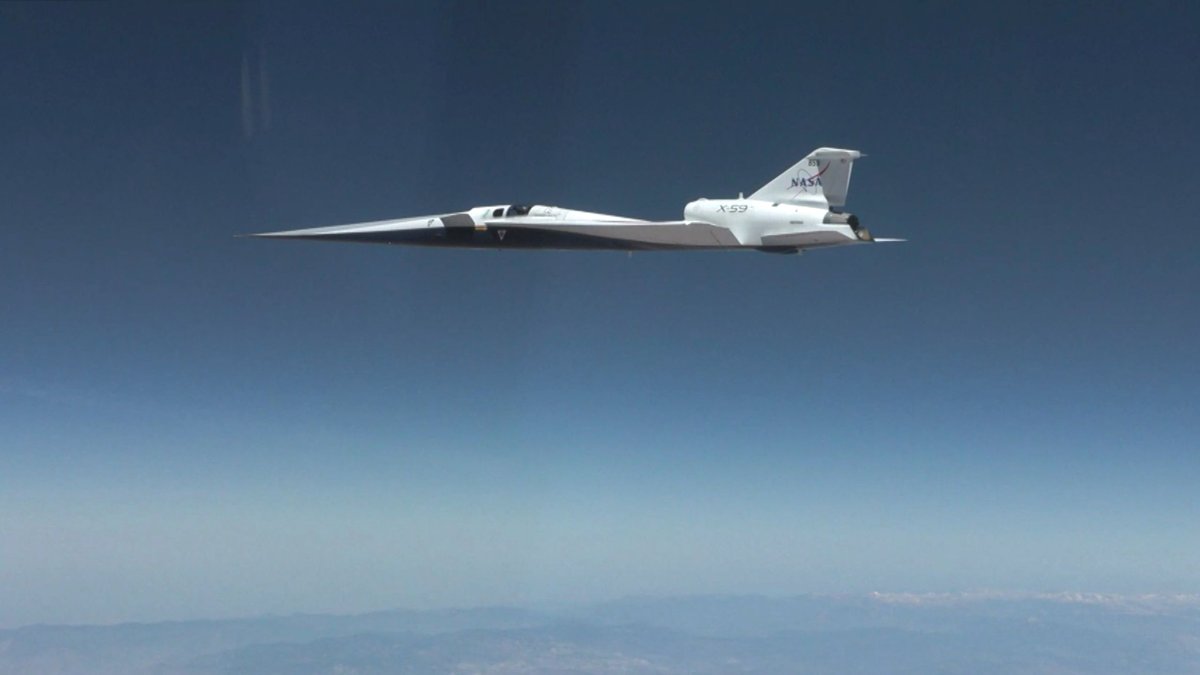
NASA's quiet jet breaks the sound barrierSpace.com · 05.06.26NASA's quiet jet breaks the sound barrierThe X 59 flew faster than sound with only a soft thump.
  • ✈️ NASA's brand new special jet aeroplane, called the X 59, went faster than the speed of sound for the very first time ever!
  • 💨 It flew at about 713 miles per hour, which is 1.1 times faster than a sound wave travels through the air.
  • 🤫 The really amazing thing is that the X 59 only makes a small quiet thump instead of a huge sonic BOOM.
  • 👨‍✈️ The pilot, Jim Less, flew the plane for 81 minutes and reached a height of over 43,000 feet above the ground.
  • 🌍 If quiet supersonic flying works, one day passengers might travel across the world much faster than aeroplanes can today!
📰 Full edition: 31 May - 06 June 2026
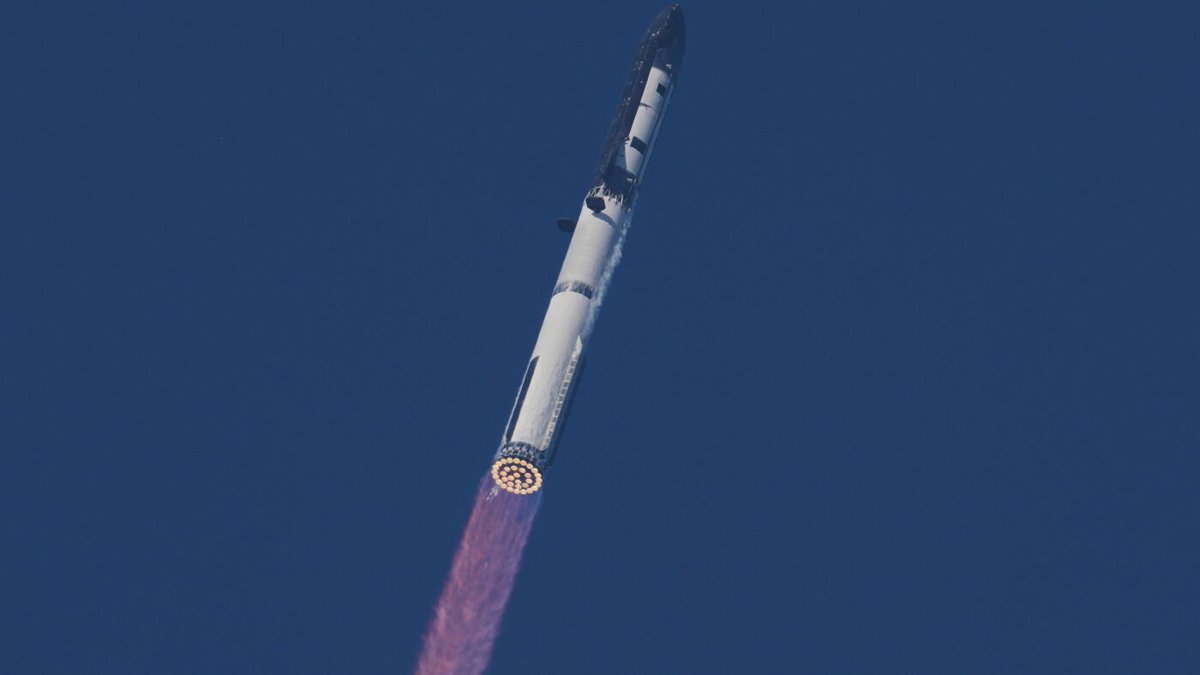
SpaceX launches its biggest Starship everNPR · 23.05.26SpaceX launches its biggest Starship everNASA says Starship is one step closer to the Moon.
  • 🚀 SpaceX launched its biggest and most powerful Starship rocket yet on a test flight.
  • 💪 This new version has been made stronger and more powerful than before.
  • 🌙 NASA's leader said Starship is now one step closer to taking people to the Moon.
  • 📰 The launch happened just two days after Elon Musk said SpaceX would sell shares to the public.
  • 🔬 Every test flight helps engineers learn and make the rocket even better.
📰 Full edition: 17-23 May 2026
SpaceX launching 45 satellites to orbit early May 3Space.com · 02.05.26SpaceX launching 45 satellites to orbit early May 3Launch of the CAS500-2 mission is scheduled for 2:59 a.m. ET on May 3.
  • 🚀 SpaceX is launching 45 satellites into space on May 3 using a Falcon 9 rocket.
  • ⏰ The launch will happen early in the morning from Vandenberg Space Force Base and can be watched live online.
  • 🛰️ The main satellite is CAS500-2, which will help monitor things like weather and crops.
  • 🌍 Many other satellites from different companies will also go into orbit during the same mission.
  • 🔁 After launch, the rocket booster will return and land back on Earth, showing how reusable rockets work.
📰 Full edition: 26 April - 02 May 2026
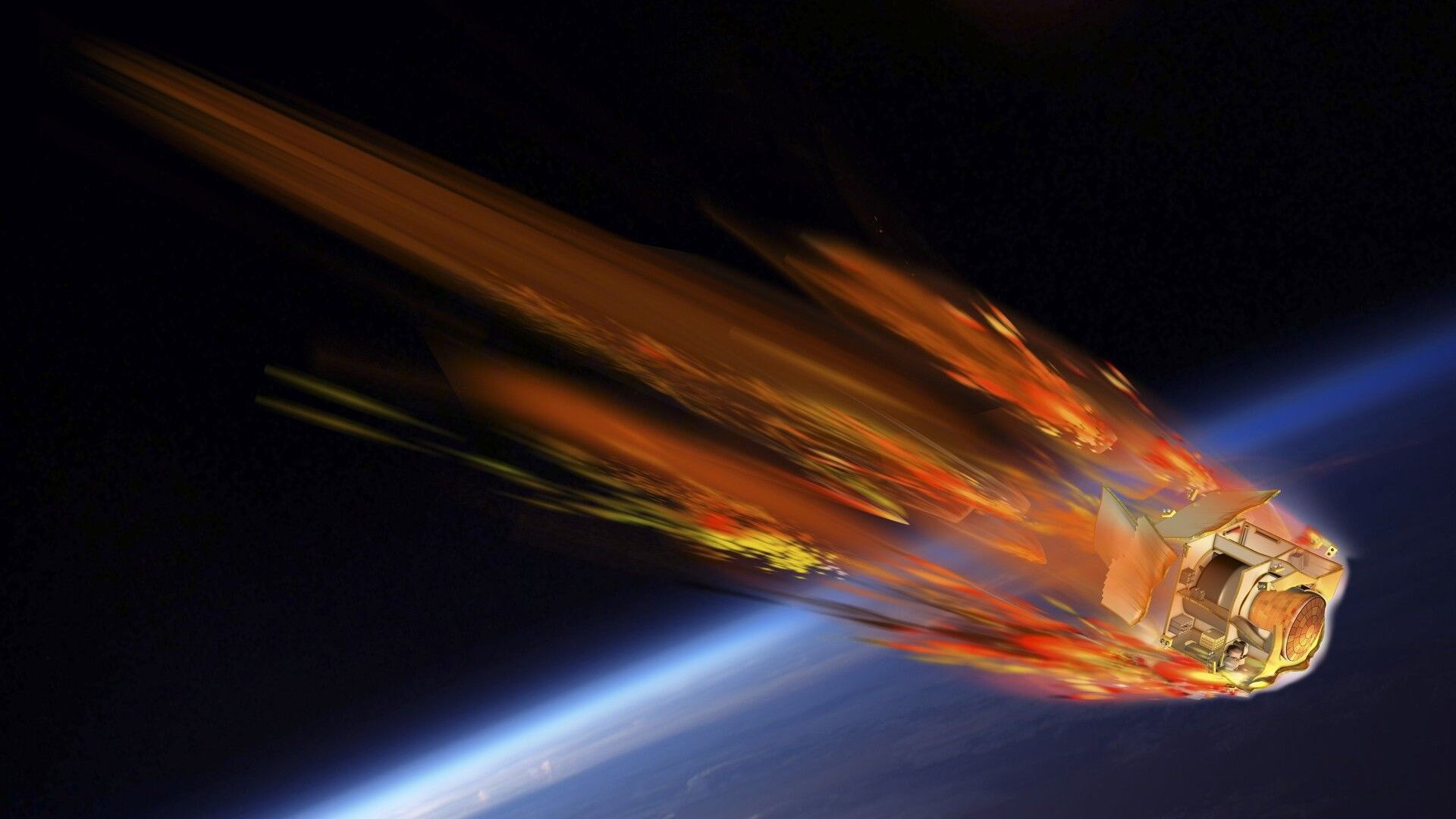
What actually happens to a spacecraft during its fiery last moments? Here's why ESA wants to find outSpace · 31.01.26What actually happens to a spacecraft during its fiery last moments? Here's why ESA wants to find outUnderstanding how different materials behave as they burn up could help engineers design satellites that fully disintegrate, leaving nothing behind in orbit or in the atmosphere.
  • 🔥 ESA wants to learn what happens when spacecraft burn up in the sky. They are building a special spacecraft called Draco that will fall into Earth's air on purpose to study its last moments.
  • 🚀 As Draco falls, it will collect information. Tiny sensors and cameras will watch how the spacecraft heats up, breaks apart, and melts while flying through the air.
  • 🌍 This helps keep Earth and space safer. By learning how spacecraft burn, engineers can design satellites that disappear completely and do not leave dangerous space junk behind.
  • 🧪 Scientists also care about the air. Burning spacecraft release tiny bits into the atmosphere, and Draco helps experts understand how this affects the planet.
  • 🌊 Draco will land safely in the ocean. After sending its data, it will splash down far from people, helping science without harm.
📰 Full edition: 25-31 January 2026
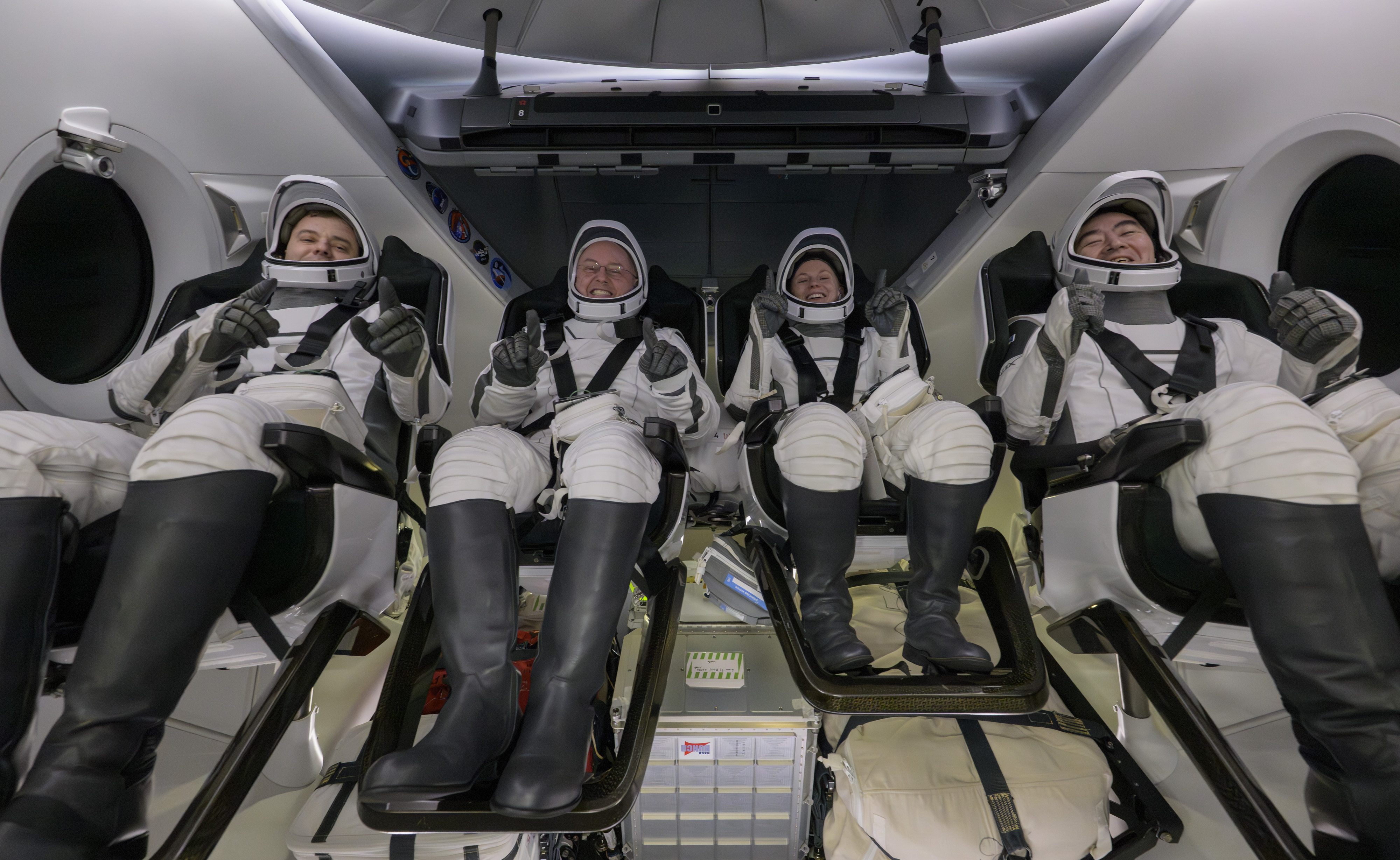
NASA's SpaceX Crew-11 Mission Returns, Splashes Down off CaliforniaNASA · 15.01.26NASA's SpaceX Crew-11 Mission Returns, Splashes Down off CaliforniaNASA's SpaceX Crew-11 mission safely splashed down early Thursday morning in the Pacific Ocean off the coast of San Diego, concluding a more than five-month mission.
  • 🚀 NASA sent four astronauts to space on a SpaceX ship called Dragon Endeavour. They lived and worked on the International Space Station for many months, floating around Earth and learning new things.
  • 🌍 After 167 days in space, the astronauts safely returned to Earth. Their spaceship landed gently in the Pacific Ocean near California, and rescue teams helped them out.
  • 🔬 While in space, the astronauts did more than 140 science experiments. These experiments help scientists learn how people can live and work in space for a long time.
  • 🤝 The crew came from different countries, including the United States, Japan, and Russia. They worked together as a team to help space exploration.
  • 🌙 NASA learned important lessons from this mission to help future trips to the Moon and someday even Mars.
📰 Full edition: 11-17 January 2026
Space Forge returns factory satellite from orbitThe Morning News · 31.12.25Space Forge returns factory satellite from orbitThe UK company brought back materials made in space that are impossible to create on Earth.
  • 🛰️ A British company called Space Forge sent a mini factory into space, and now it has come back to Earth with special materials made in orbit.
  • ✨ In space there is almost no gravity, so scientists can make super pure materials, like special crystals and metals, that are impossible to create on Earth.
  • 🪂 The satellite used a special heat shield and parachute to land softly in the ocean, where a boat was waiting to pick it up.
  • 💊 These space-made materials could help build better computer chips, stronger medicines, and cleaner energy technology.
  • 🚀 It is one of the first times a factory has gone to space and come home, opening the door to a whole new kind of manufacturing.
📰 Full edition: 28 December - 03 January 2026

🔭 Telescopes and Deep Space

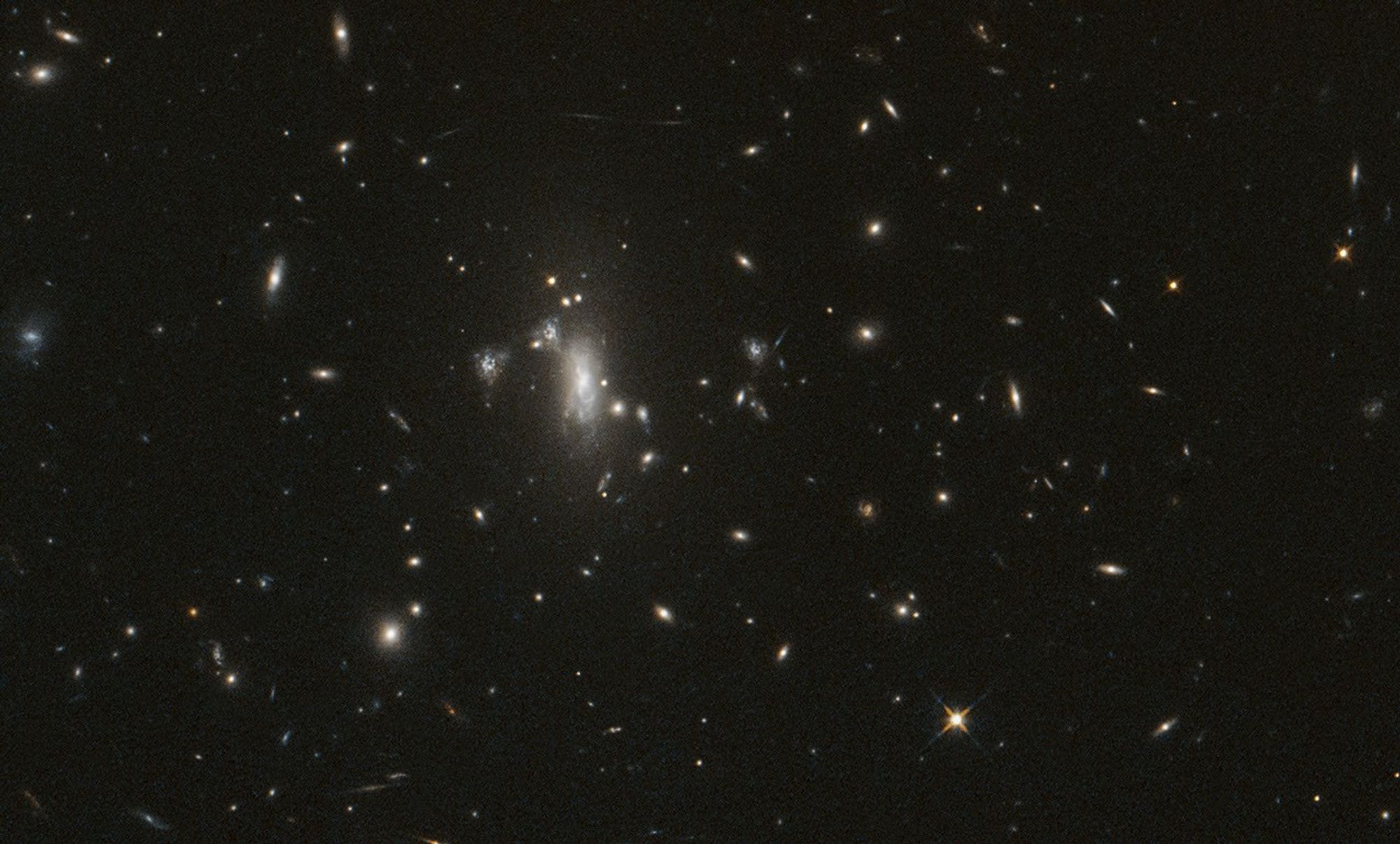
NASA's Hubble Seeks Lensed Supernova, Marks 200,000 OrbitsNASA Science · 23.09.26NASA's Hubble Seeks Lensed Supernova, Marks 200,000 OrbitsThe Hubble Space Telescope completed its 200,000th orbit while observing a faraway supernova magnified by gravity.
  • 🔭 Hubble completed its 200,000th journey around Earth after more than 36 years in space.
  • 💫 For the milestone, it observed a faraway exploding star nicknamed Supernova Athena.
  • 🔍 A huge galaxy cluster bends and magnifies Athena's light like a natural cosmic lens.
  • 🛰️ Hubble has travelled more than five billion miles and made over 1.7 million observations.
  • ⏳ Studying the supernova's repeated images may help astronomers measure the universe's expansion.
📰 Full edition: 20-26 September 2026
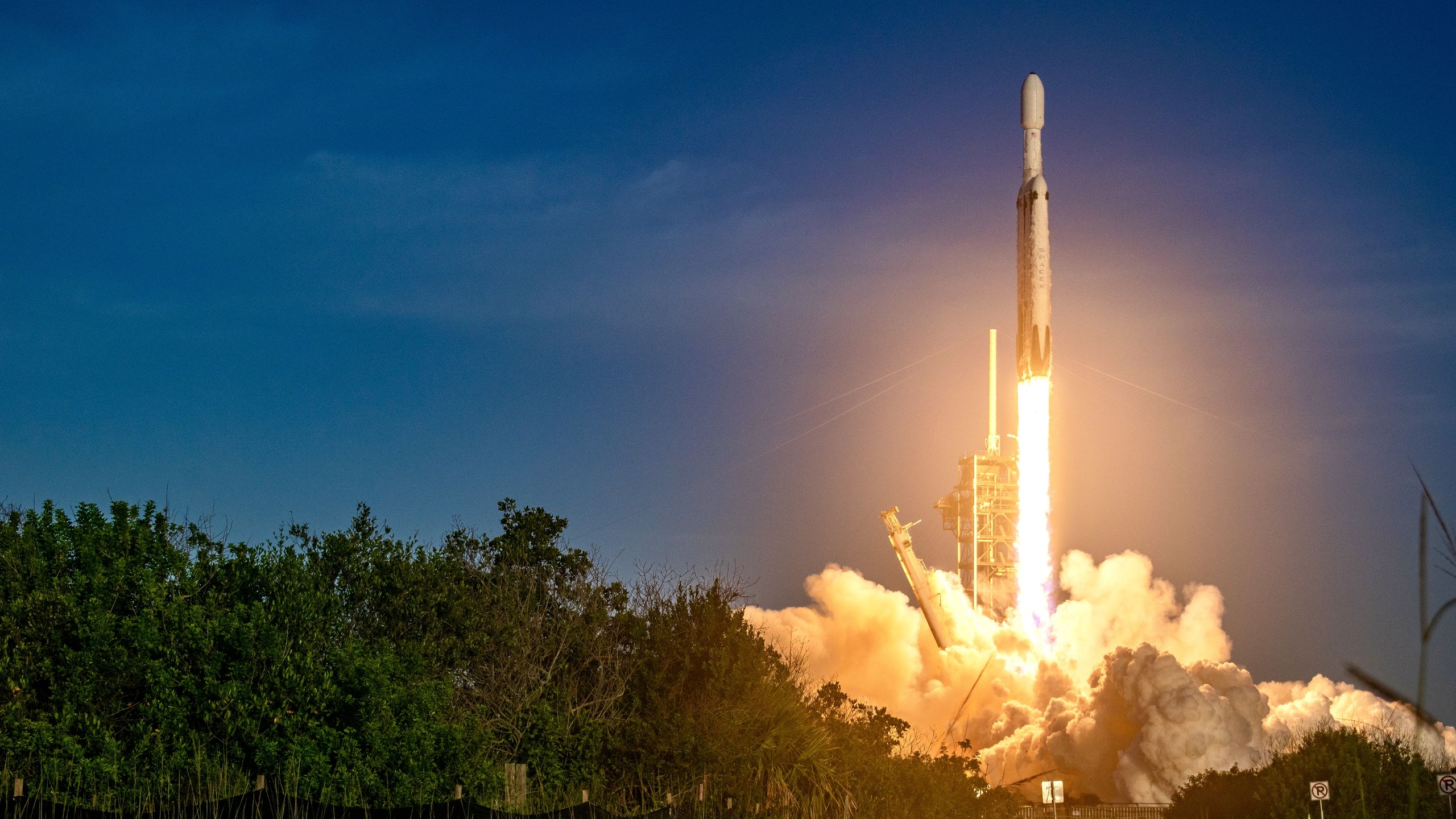
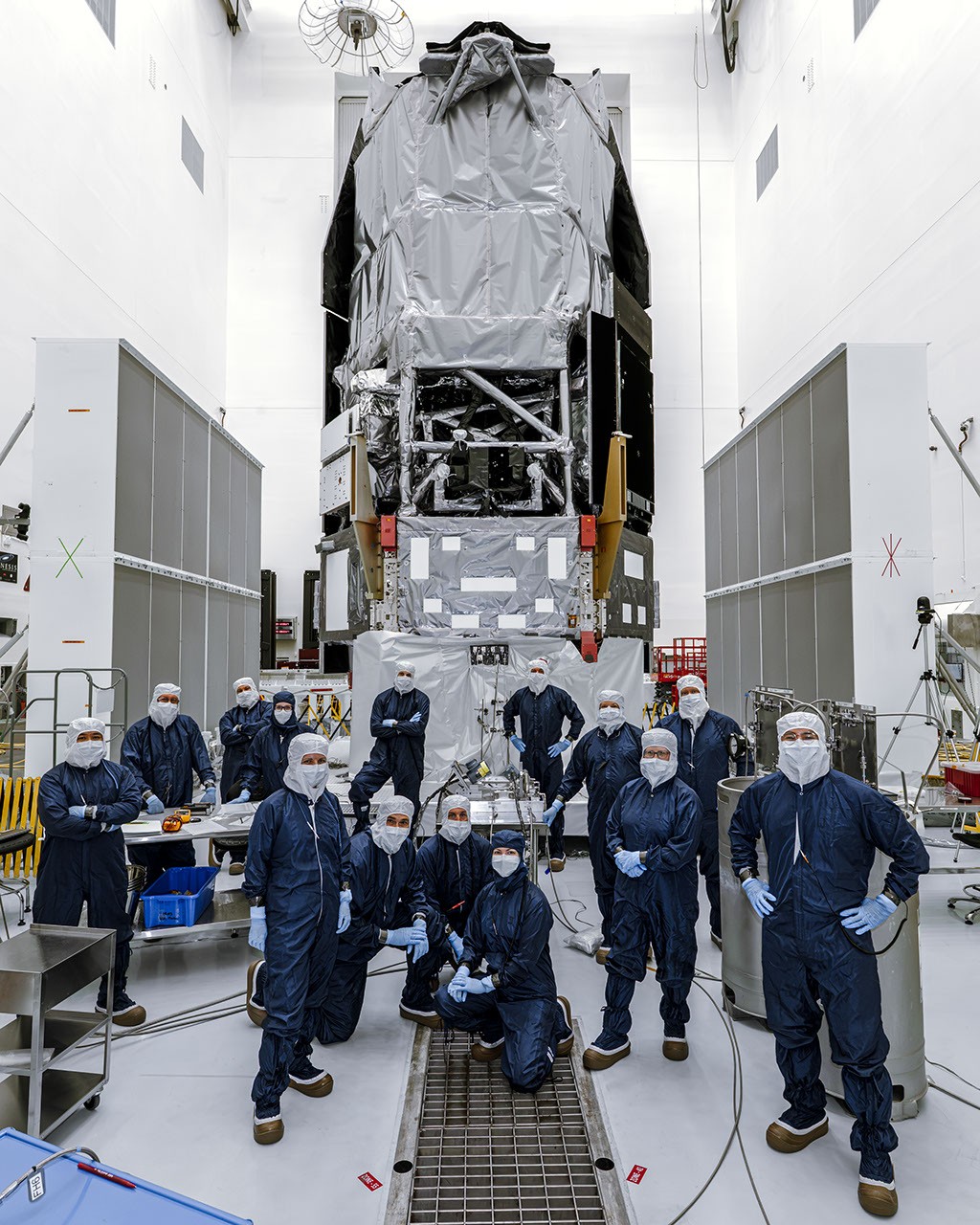
NASA readies the Nancy Grace Roman Space Telescope for launchSpace.com · 28.08.26NASA readies the Nancy Grace Roman Space Telescope for launchA powerful new telescope is tucked inside a Falcon Heavy rocket, ready to hunt for new planets.
  • 🚀 NASA is getting ready to launch a brand new space telescope named after Nancy Grace Roman.
  • 🔭 This telescope will help scientists find thousands of new planets outside our solar system.
  • 🌌 It will also help us learn more about mysterious dark energy in space.
  • 🛰️ It is packed safely inside a giant rocket called Falcon Heavy.
  • ⏰ The launch is planned for very soon, so get ready to look up!
📰 Full edition: 23-29 August 2026
Teams complete flight readiness review for NASA's Roman TelescopeNASA · 21.08.26Teams complete flight readiness review for NASA's Roman TelescopeNASA says its new telescope, which sees 100 times more sky than Hubble, is ready to launch.
  • 🚀 NASA is getting ready to launch a brand new space telescope very soon.
  • 🔭 It is called the Roman Space Telescope, and it can see 100 times more sky than the famous Hubble telescope.
  • ✅ This week, NASA's teams gave the big thumbs up that everything is ready to go.
  • 🌌 The telescope will help scientists study distant galaxies and search for new planets.
  • 📅 Roman is set to blast off into space on August 30th.
📰 Full edition: 16-22 August 2026
NASA fuels the Roman Space Telescope for a late August launchNASA · 27.07.26NASA fuels the Roman Space Telescope for a late August launchThe new telescope will blast off on August 30th to study stars, planets and dark energy.
  • 🌍 NASA is getting a brand new space telescope ready to blast off into space!
  • 🤝 It's called the Nancy Grace Roman Space Telescope, named after a famous astronomer.
  • 📅 NASA shared the exciting update on Monday, July 27th, while filling it with fuel.
  • 🎂 The telescope will launch soon, on August 30th, way earlier than first planned!
  • 🌐 Once in space, it will help scientists study stars, planets, and mysterious dark energy.
📰 Full edition: 26 July - 01 August 2026
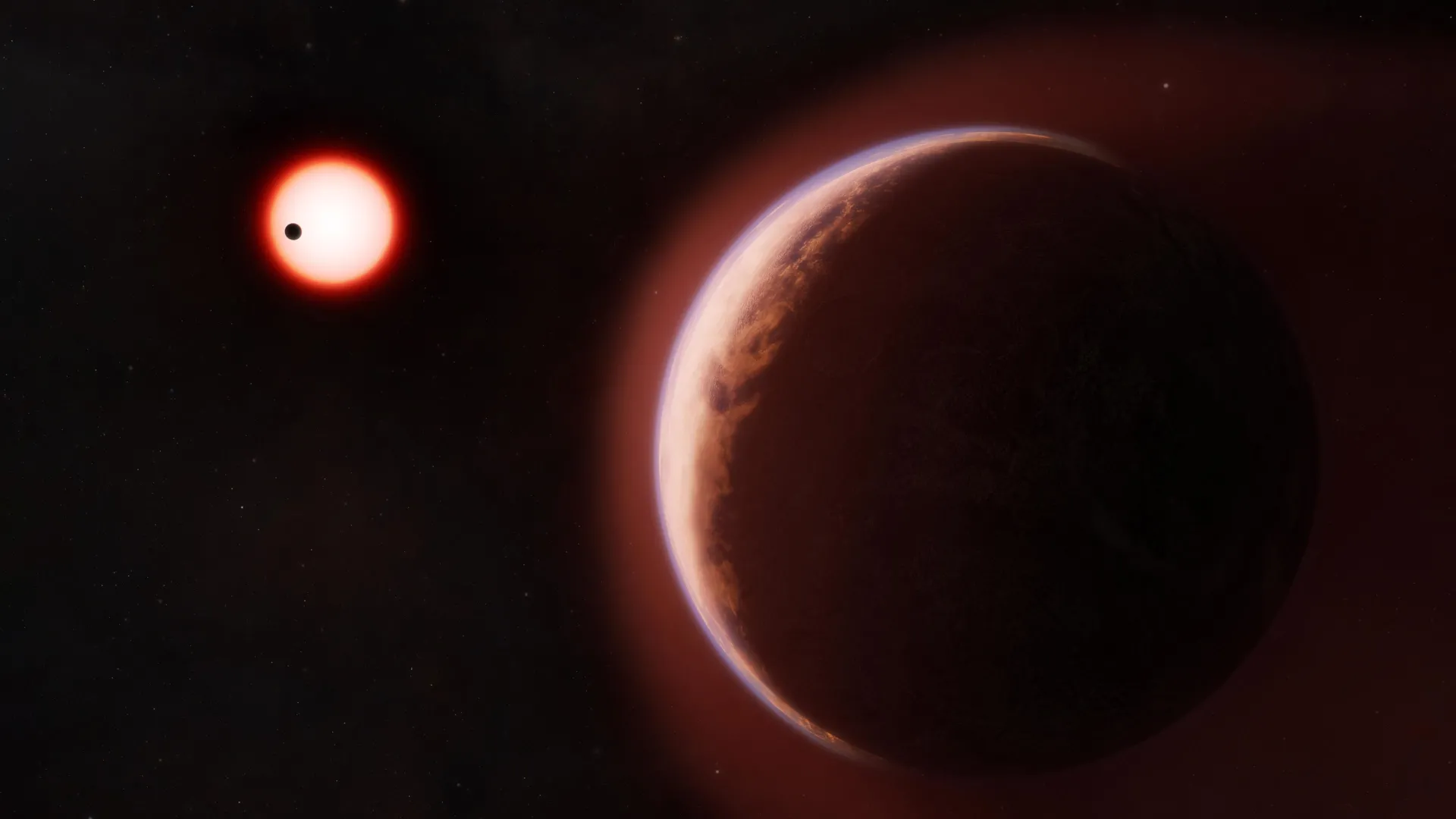
Scientists find air around a faraway rocky planetScienceDaily · 21.07.26Scientists find air around a faraway rocky planetIt is the first atmosphere ever found on a rocky planet outside our solar system.
  • 🪐 Scientists found air, called an atmosphere, around a rocky planet far away in space.
  • 🌡️ The planet sits in the habitable zone, meaning it is not too hot and not too cold.
  • 🥇 This is the first time anyone has found an atmosphere like this on a rocky planet outside our solar system.
  • 🔭 Scientists studied starlight passing through the planet's air to learn what it is made of.
  • 👽 This exciting find could help us search for other planets that might support life one day.
📰 Full edition: 19-25 July 2026
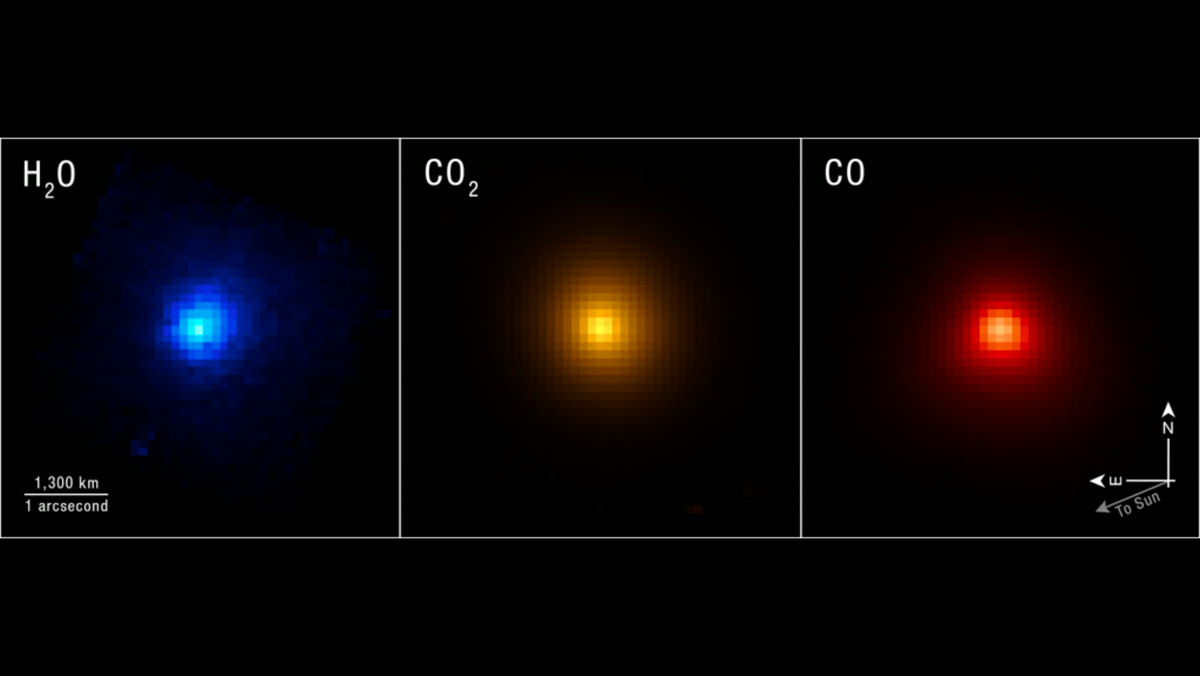
A comet from another star systemSpace.com · 24.06.26A comet from another star systemComet 3I/ATLAS may be 10 to 12 billion years old.
  • ☄️ Scientists are learning incredible things about a special visitor that has travelled all the way from another star system to visit our solar system!
  • 🔭 NASA's James Webb Space Telescope has been studying the visitor, a comet called 3I/ATLAS, and found out what it is made of.
  • ⏳ The comet is an astonishing 10 to 12 BILLION years old, which makes it almost as old as the entire universe itself.
  • 🌌 It is only the third known "interstellar" object ever discovered, meaning it came from far beyond our own solar system.
  • 🧪 Its unusual mix of chemicals tells scientists it formed somewhere very different, billions of years before our solar system even existed.
📰 Full edition: 21-27 June 2026
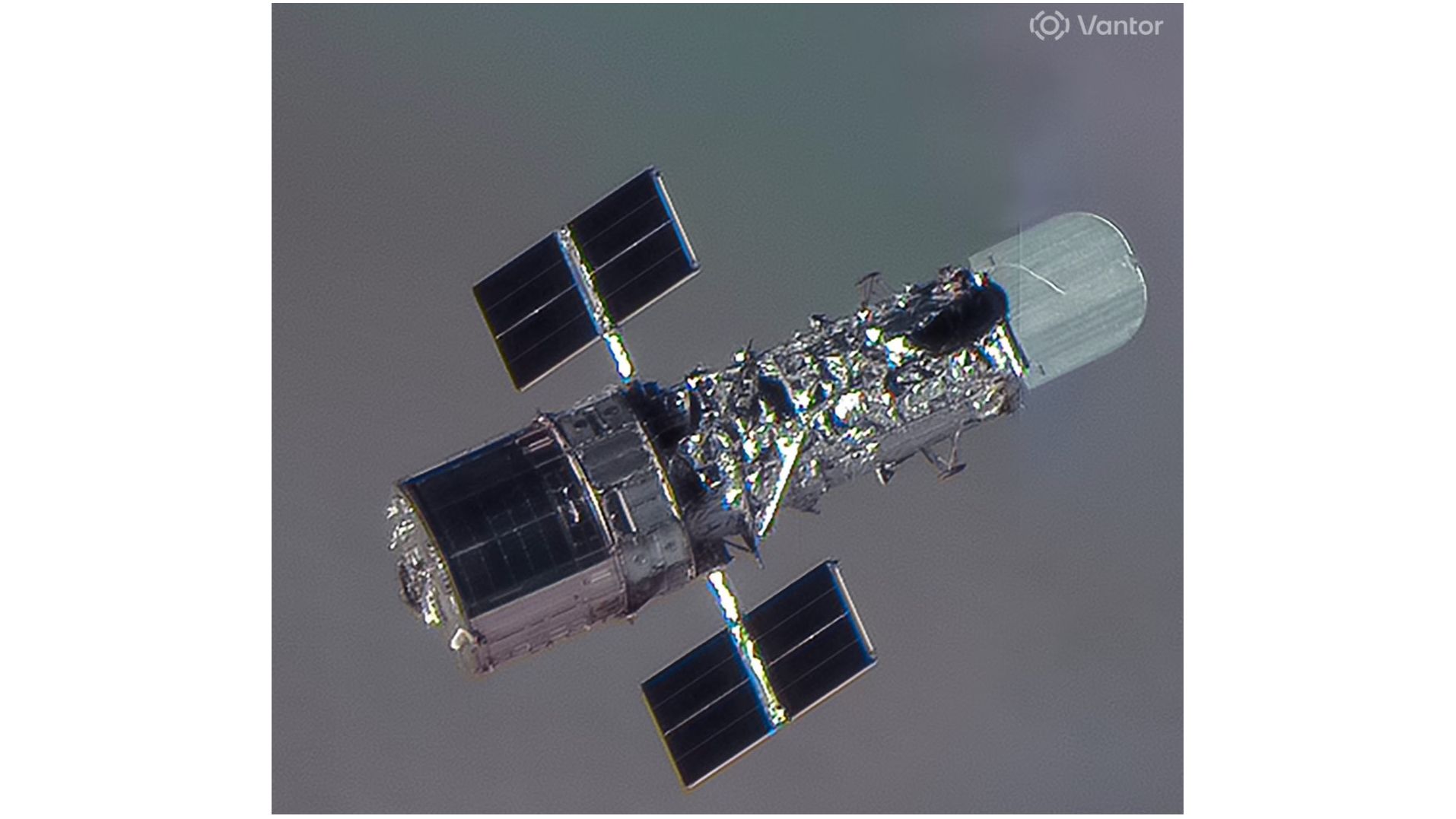
Satellite snaps amazing 36th birthday pic of Hubble Space TelescopeSpace.com · 25.04.26Satellite snaps amazing 36th birthday pic of Hubble Space TelescopeA satellite took a rare close photo of the Hubble Space Telescope for its 36th birthday.
  • 📸 A satellite took a rare close photo of the Hubble Space Telescope for its 36th birthday.
  • 🚀 Hubble was launched into space on April 24, 1990, and has helped scientists learn about stars, planets, and galaxies.
  • 🛰️ The photo was taken by a WorldView Legion satellite from about 62 kilometers away.
  • ✨ The picture clearly shows Hubble's shiny body, solar panels, and open front door.
  • 🔭 Even though Hubble is old, it still works and NASA hopes it can keep exploring space until 2035.
📰 Full edition: 19-25 April 2026
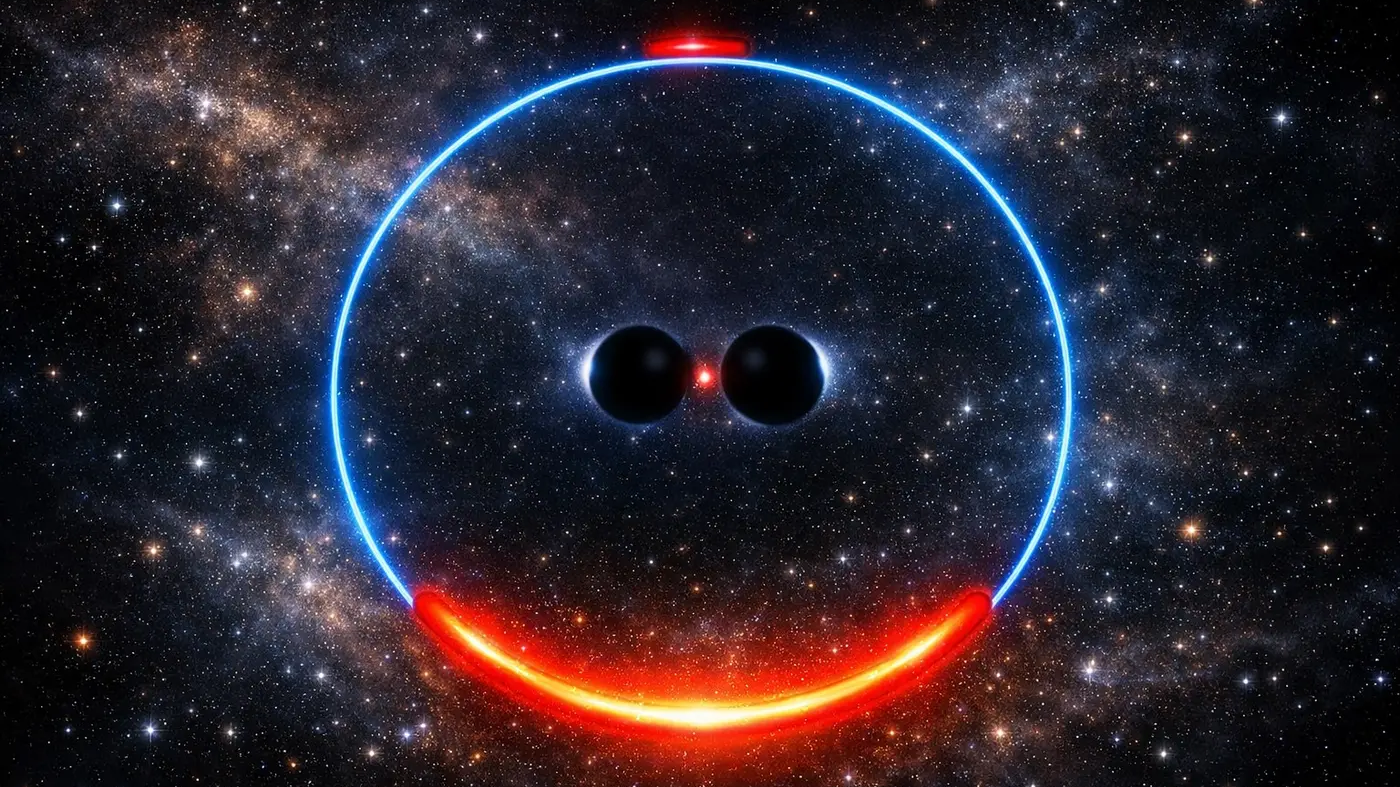
Warped starlight could reveal hidden black holes dancing togetherSpace.com · 24.02.26Warped starlight could reveal hidden black holes dancing togetherAstronomers say that gravitational lensing, where a black hole's gravity bends and warps the light of stars behind it, could help us find pairs of hidden black holes orbiting each other.
  • Black holes are invisible because not even light can escape them.
  • But their gravity bends the starlight passing behind them, like a giant magnifying glass.
  • This bending is called gravitational lensing, an idea predicted by Albert Einstein.
  • Watching the warped light could reveal two black holes orbiting each other in a cosmic dance.
  • Finding these pairs helps scientists understand how galaxies grow.
📰 Full edition: 22-28 February 2026
Discovery of an 'inside out' solar system puzzles astronomersScienceAlert · 12.02.26Discovery of an 'inside out' solar system puzzles astronomersAstronomers found a strange star system around LHS 1903 where the planets are not in the order scientists expected.
  • 🪐 In our home, the Solar System, small rocky planets stay close to the Sun and big gassy planets are farther away.
  • 😮 When scientists looked carefully, they saw a rocky planet sitting far away after two giant gas planets, which surprised everyone.
  • 🔭 Experts think the planets there might have formed one by one, and the last one grew after most of the gas had already disappeared.
  • 📚 Discoveries like this help space researchers learn that other systems can be very different, so they may need to rethink how planets are born.
  • ✨ The star LHS 1903 is about 50 light-years away. That means if you could travel at the speed of light, it would take 50 years to get there!
📰 Full edition: 08-14 February 2026
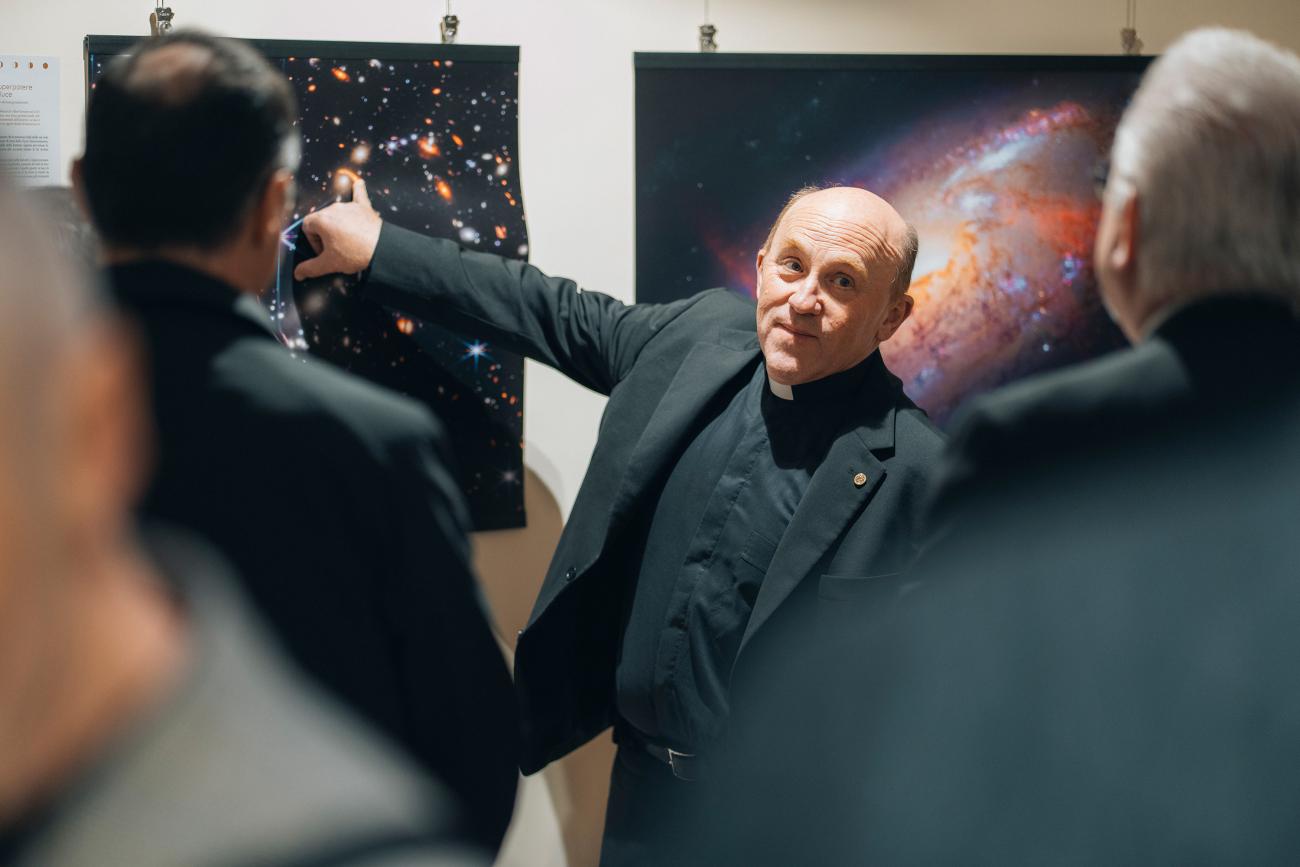
Wonder and discovery coalesce at Vatican Observatory exhibitionJohns Hopkins University · 08.12.25Wonder and discovery coalesce at Vatican Observatory exhibitionWonder Bound, the product of a collaboration between JHU, the Space Telescope Science Institute, and the Vatican Observatory, brings images from the Hubble and James Webb space telescopes to a historic venue.
  • 🌟 People love looking at stars because it makes us curious and happy, and it helps us learn about the big universe we live in.
  • 🚀 Wonder Bound is a space picture show made by scientists and the Vatican, sharing amazing photos from powerful space telescopes that kids and families enjoy.
  • 🔭 The show lives in Italy inside a historic palace, where colorful images teach how stars and galaxies are born and grow in our sky.
  • 🏛️ Two space helpers called Hubble and James Webb take pictures far away, turning quiet space light into bright art and facts for everyone to see.
  • 💫 The pictures remind us we are made from star stuff, and learning science can feel joyful, mysterious, and full of wonder for all kids.
📰 Full edition: 07-13 December 2025
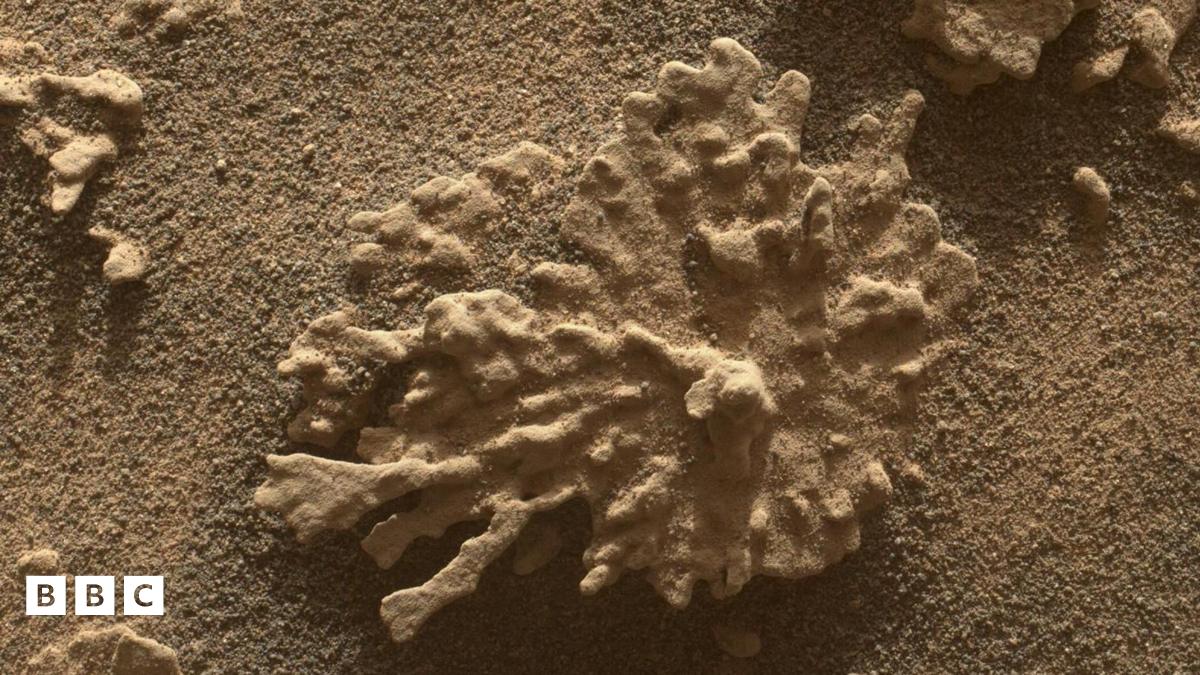
Curiosity: Nasa rover finds unusual coral-like rocks on MarsBBC Newsround · 18.08.25Curiosity: Nasa rover finds unusual coral-like rocks on MarsThe US space agency shared the news that its Curiosity rover has found some very unusual coral-like rocks on the red planet.
  • 🌍 NASA's Curiosity rover has been on Mars since 2012, exploring and looking for clues about life.
  • 🪸 Recently, it found rocks shaped like coral, which scientists think are billions of years old!
  • 💧 These special shapes were made long ago when water flowed on Mars, leaving minerals that hardened into unusual forms.
  • 🌬️ Over time, Martian winds blew away softer rock, uncovering cool coral like patterns that we can see today.
  • 🤖 Curiosity can take photos, collect samples, and even snap selfies, helping scientists on Earth learn amazing secrets about the Red Planet.
📰 Full edition: 18-24 August 2025
Uranus: Giant ice planet could be warmer than first thoughtBBC Newsround · 25.07.25Uranus: Giant ice planet could be warmer than first thoughtA new study by experts from Nasa and the University of Oxford suggests that Uranus gives out more heat than it receives from the Sun.
  • 🌍 Uranus is a giant planet far away in space, and it spins on its side, which makes it very different from Earth.
  • 🚀 Only one spacecraft (Voyager 2) has visited Uranus, and that was almost 40 years ago!
  • 🔥 Scientists just found out Uranus might be warmer than they thought because it makes more heat than it gets from the Sun.
  • 💡 Uranus shines back lots of sunlight, and it gives off about 15% more energy than it receives, which surprised everyone.
  • 🔭 Learning about Uranus can help scientists understand other planets far away from our solar system.
📰 Full edition: 21-27 July 2025
Are interstellar objects proof of alien life? This could finally settle the debate.National Geographic · 24.07.25Are interstellar objects proof of alien life? This could finally settle the debate.The Vera Rubin telescope is poised to kick off an explosive era of discovery. It's like old fashioned astronomy: find the thing, point telescopes at it, argue about it. It's going to be fun.
  • 🌟 Sometimes space rocks come from far, far away! These are called interstellar objects, and they zoom into our solar system for a short visit before flying back.
  • 🔭 A new super telescope called Vera Rubin will watch the sky and could find lots more of these visiting space rocks, maybe 5 to 100 of them in the next 10 years.
  • 🚀 Scientists are curious if these space rocks are just rocks or maybe alien things. Some people think one of them might have been a piece of alien tech!
  • 🪐 Studying these visitors helps us learn how planets and stars are made and where these rocks come from in the galaxy.
  • 👽 By finding more of them, we might even answer a big question: are we alone in the universe, or are there aliens?
📰 Full edition: 21-27 July 2025
HOPS-315: Scientists spot birth of a new solar system for first timeBBC Newsround · 17.07.25HOPS-315: Scientists spot birth of a new solar system for first timeExperts say that the discovery could help better understand the beginnings of our own Solar System.
  • 🌟 Scientists saw a baby star starting to make planets! They spotted the very beginning of a new solar system far, far away in space.
  • 🔭 The star is called HOPS-315. It's like a baby version of our Sun and lives 1,300 light years away in a place called the Orion Nebula.
  • 🪐 They saw tiny bits of rock forming planets. These little specks are super hot and are just starting to become solid.
  • 🛰️ Big space telescopes helped find it. They used the James Webb Space Telescope and another big one in Chile called ALMA.
  • 🌌 This helps us learn how our own solar system was born. It's like looking back in time to see how Earth and the other planets started to form!
📰 Full edition: 14-20 July 2025
Comet 3I/Atlas: Astronomers spot object that's travelled from outside the Solar SystemBBC Newsround · 3.07.25Comet 3I/Atlas: Astronomers spot object that's travelled from outside the Solar SystemIt's only the third time that experts have spotted an object in the Milky Way that's come from a different solar system.
  • 🌠 Astronomers found a super fast space object called 3I/ATLAS zooming through our Solar System!
  • 🧊 It's a big icy comet like a giant space snowball that's about 6 to 12 miles long!
  • 🚀 It's not from our Solar System, it came from far, far away and is only the third visitor like this we've ever seen.
  • 🌞 3I/ATLAS will fly past Mars and the Sun, but don't worry, it won't come close to Earth!
  • 🔭 Scientists are excited because studying this comet might teach us more about deep space!
📰 Full edition: 01-06 July 2025

🌘 Eclipses and Night Sky

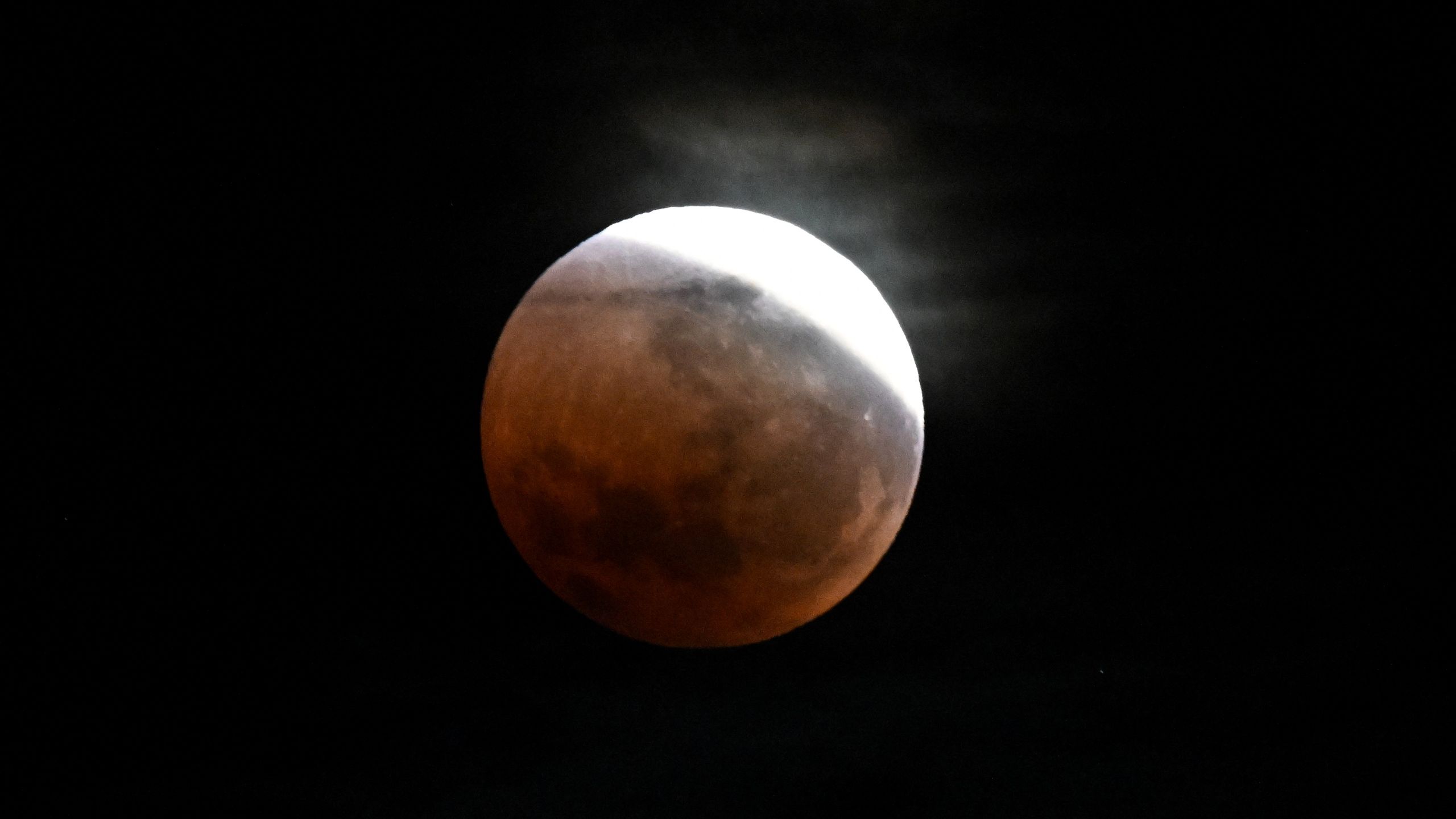
A 96 percent partial lunar eclipse is just 1 week away, here's what you need to knowSpace.com · 20.08.26A 96 percent partial lunar eclipse is just 1 week away, here's what you need to knowEarth's shadow will cover almost all of the Moon, turning it a spooky orange red colour.
  • 🌕 Get ready to look up at the sky for something really cool very soon!
  • 🌑 Earth's shadow will cover 96% of the Moon during a special event called a lunar eclipse.
  • 🔴 The Moon might glow a spooky orange red colour, sometimes called a Blood Moon.
  • 😎 You do not need any special glasses to watch it, just your own eyes.
  • 🌎 People in North America, South America, Europe, and Africa will all get a great view on August 27th and 28th.
📰 Full edition: 16-22 August 2026
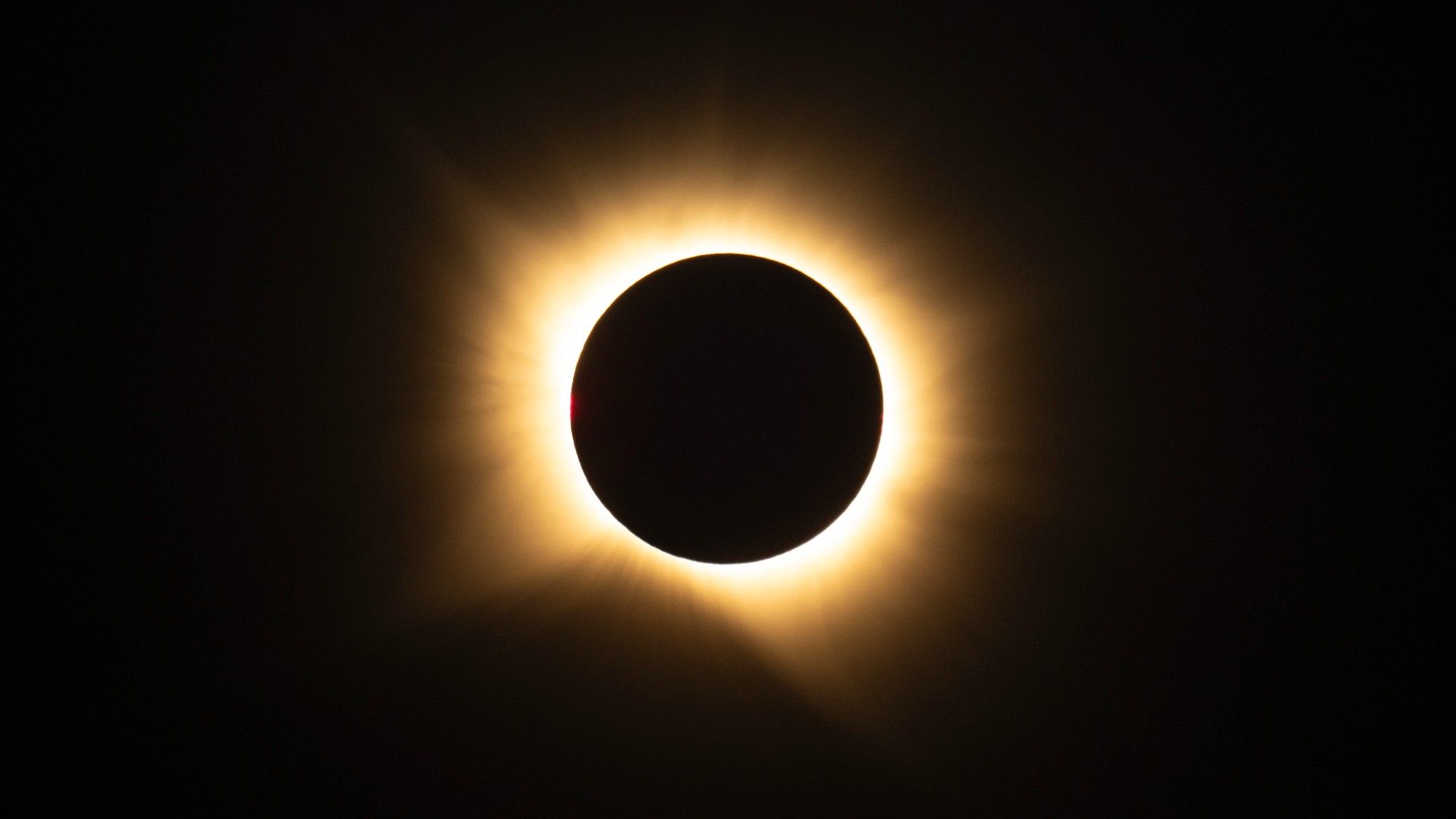
Total solar eclipse thrills millions with a stunning cosmic spectacleSpace.com · 12.08.26Total solar eclipse thrills millions with a stunning cosmic spectacleThe Moon slid in front of the Sun and turned daytime into darkness for about two minutes.
  • 🌑 The Moon passed right in front of the Sun and turned day into night for a moment.
  • 🌍 People in Greenland, Iceland and Spain got the best view of this total eclipse.
  • ⏱️ At its longest, the sky stayed dark for about two minutes.
  • 😍 Millions of people looked up and cheered at the amazing sight.
  • ☀️ It was Europe's first total solar eclipse in almost 30 years.
📰 Full edition: 09-15 August 2026
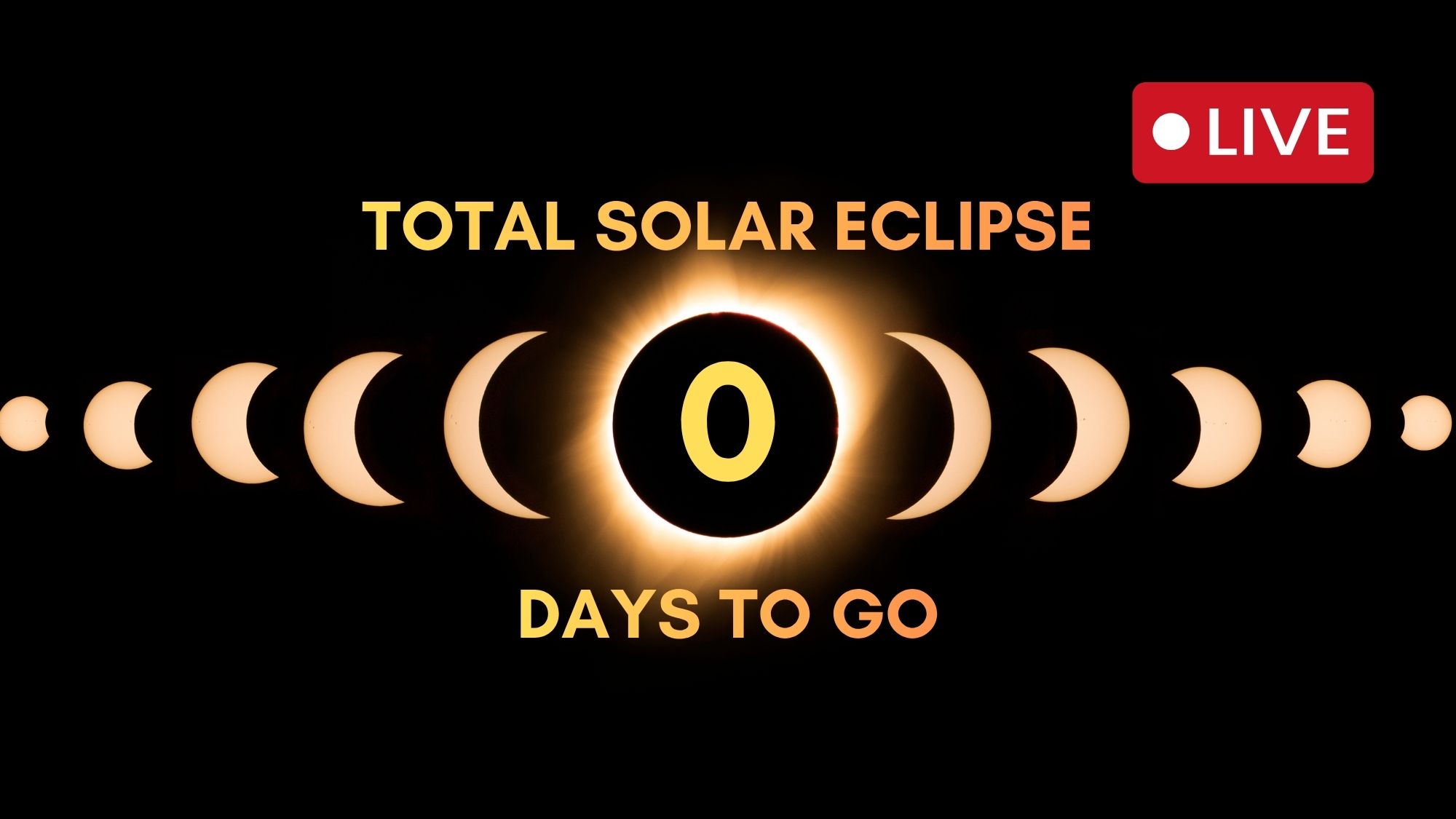
A total solar eclipse is coming on August 12Space.com · 07.08.26A total solar eclipse is coming on August 12The moon will cover the sun over Greenland, Iceland and parts of Spain for over two minutes.
  • 🌑 A total solar eclipse is coming on August 12, when the moon covers the sun.
  • 🌍 It will be seen over Greenland, Iceland, and parts of Spain.
  • 🕶️ People with special glasses will get to watch the sky go dark in the daytime.
  • ⏳ The darkness will last over two whole minutes in some places.
  • 😍 It is Europe's first total solar eclipse since 1999, so people are very excited.
📰 Full edition: 02-08 August 2026
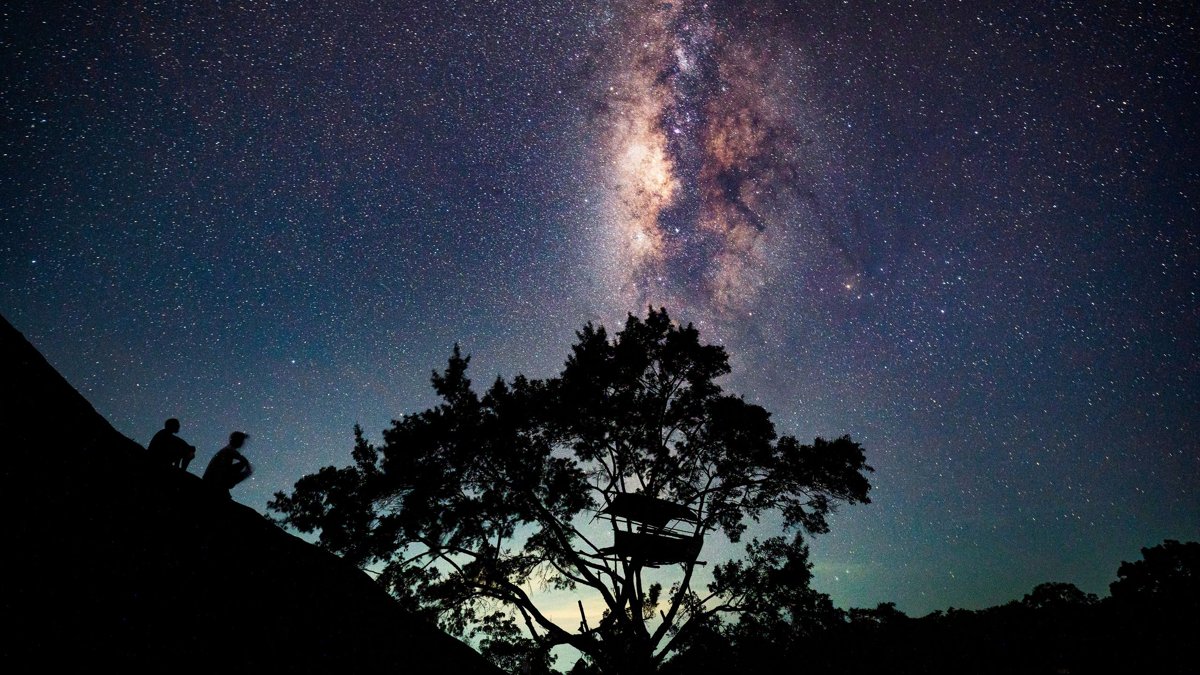
A dark new moon makes the night sky sparkleSpace.com · 16.05.26A dark new moon makes the night sky sparkleMay's new moon is perfect for spotting the Milky Way, Venus and Mars.
  • 🌑 A new moon happens when the Moon is between the Earth and the Sun, so it looks dark.
  • ✨ With no bright moonlight, the stars shine much more clearly.
  • 🌌 Stargazers could see the Milky Way, our home galaxy, stretching across the sky.
  • 🪐 The planets Venus and Mars were also easy to spot.
  • 🔭 It was a perfect night for families to look up and explore the sky together.
📰 Full edition: 10-16 May 2026
Mars meteorite sells for whopping $4.3m at auctionBBC Newsround · 19.07.25Mars meteorite sells for whopping $4.3m at auctionIt's known as NWA 16788, not the most memorable name for a rock worth that much money!
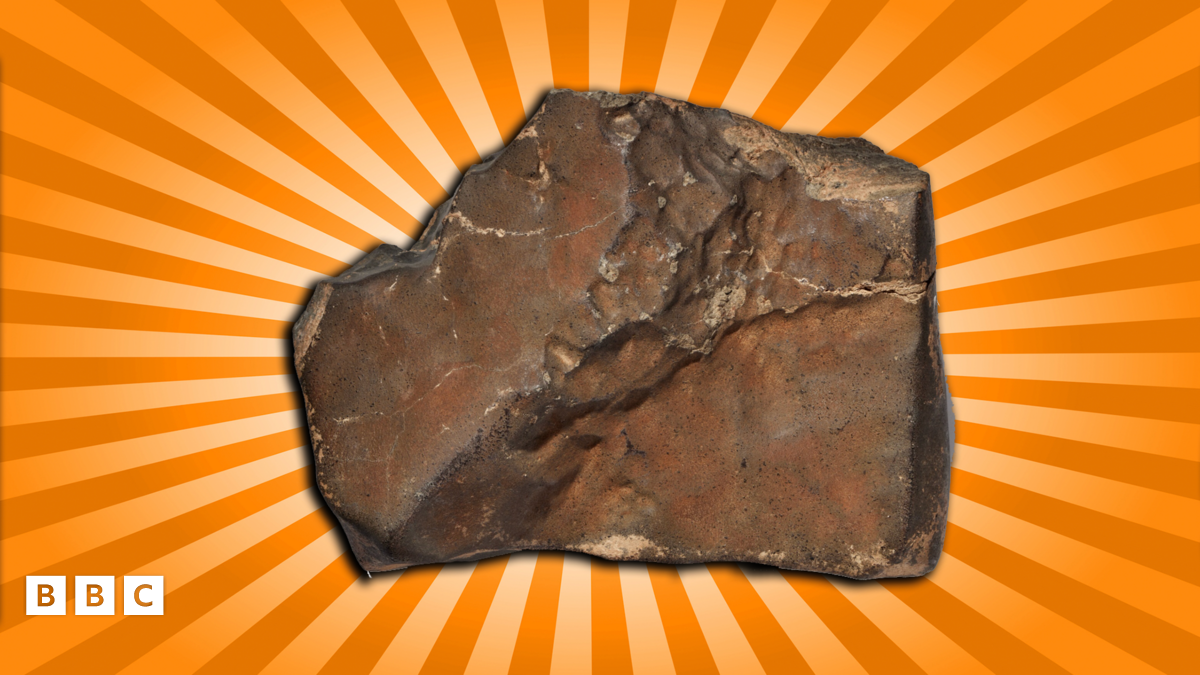
  • 🌕 A super rare rock from Mars was sold at an auction for $4.3 million, that's a lot of money!
  • 🪨 The rock is called NWA 16788, and it was found in Niger, Africa, in 2023. It's really big for a space rock, about 54 pounds and nearly 15 inches long!
  • ☄️ A meteorite is a space rock that survives its fall through Earth's atmosphere and lands here.
  • 🌍 Only about 400 rocks from Mars have ever been found on Earth, that makes this one extra special! Nobody knows who bought the rock, the new owner is keeping it a secret!
  • 🌊 Most of Earth is water, so it's super lucky that this rock landed where people could find it! Scientists say it's the biggest piece of Mars on Earth, pretty amazing, right?
📰 Full edition: 14-20 July 2025

📌 More stories

The Sun's Red Dwarf Neighbors Provide Clues to Origins of Carbon and OxygenUniverse Today · 24.01.26The Sun's Red Dwarf Neighbors Provide Clues to Origins of Carbon and OxygenWe live near a fusion reactor in space that provides all our heat and light. That reactor is also responsible for the creation of elements heavier than hydrogen, and that's true of all stars.
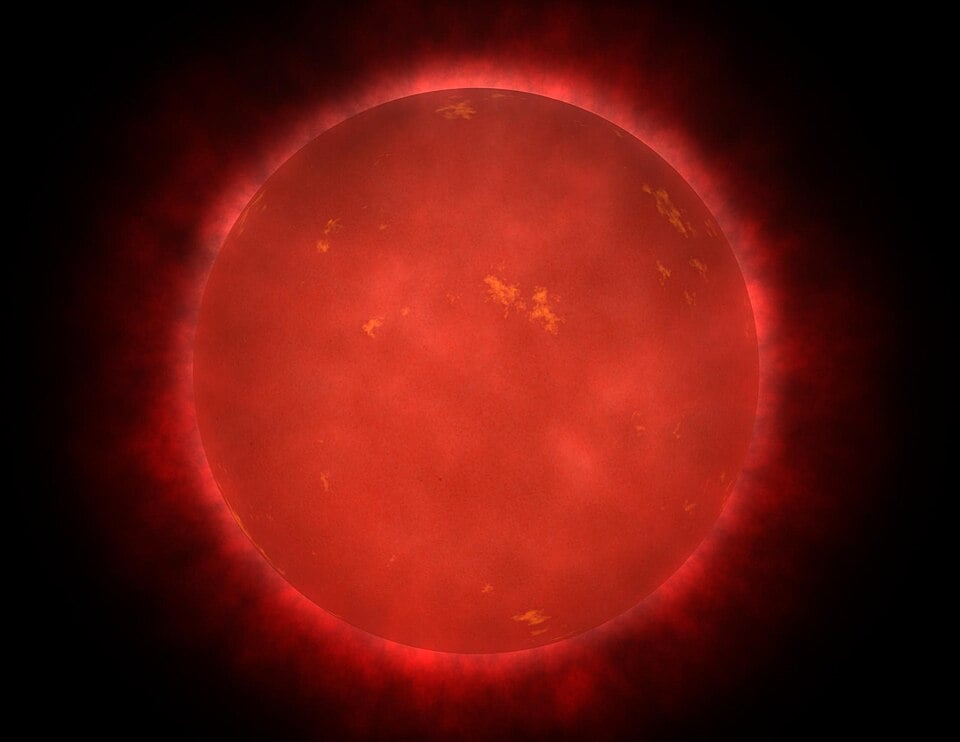
  • 🌞 Our Sun and other stars are like giant space kitchens. Inside them, heat and light help make new things called elements. Two very important elements are carbon and oxygen, which help make life on Earth possible.
  • 🔭 Scientists studied small stars called red dwarfs that live close to our Sun. These stars live a very long time and keep clues about what they are made of inside their light.
  • ✨ By looking carefully at starlight, scientists can see tiny fingerprints of elements. These fingerprints show how stars change and grow over time.
  • 🌌 The study found special types of carbon and oxygen in 32 nearby stars. This helps scientists learn how elements are made and spread through space.
  • 🌍 Stars share their elements with space when they grow old. These elements help form new stars, planets, and even life like us.
📰 Full edition: 18-24 January 2026
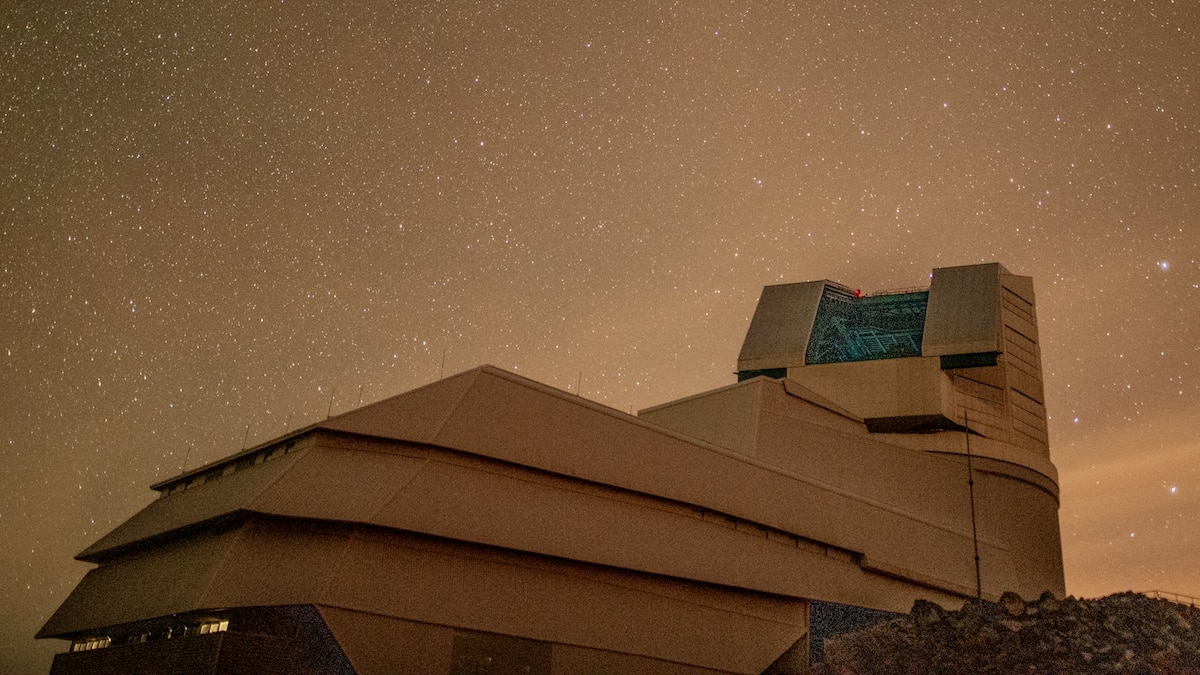
World's largest digital camera spots massive asteroidPopular Science · 08.01.26World's largest digital camera spots massive asteroid2025 MN45 is larger than eight football fields.
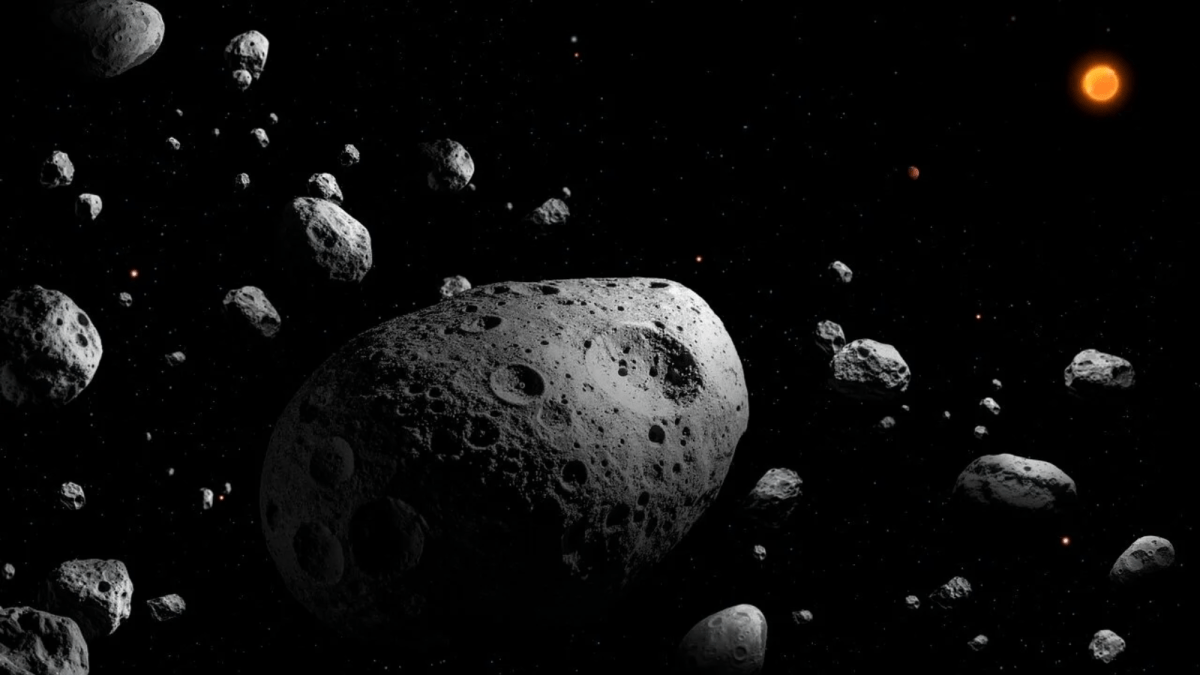
  • 🪐 Scientists found a giant space rock called asteroid 2025 MN45 using the biggest digital camera ever. It is as long as eight football fields and lives in space.
  • 📸 The discovery was made with a new observatory in Chile that takes pictures of the sky every 40 seconds to find new space objects.
  • 🌪️ This asteroid spins super fast. It can spin all the way around in less than two minutes, which is very unusual for something so big.
  • 🪨 Because it spins so quickly and stays together, scientists think it is made of very strong rock instead of loose pieces.
  • 🚀 Finding fast spinning asteroids helps scientists learn how the solar system was made and what space rocks are made of long ago.
📰 Full edition: 05-10 January 2026
The spectacular stereo images of giant galaxiesBBC · 22.11.25The spectacular stereo images of giant galaxiesQueen guitarist Sir Brian May's latest book explores the history, mystery and evolution of galaxies through 3D photography that takes years to create.
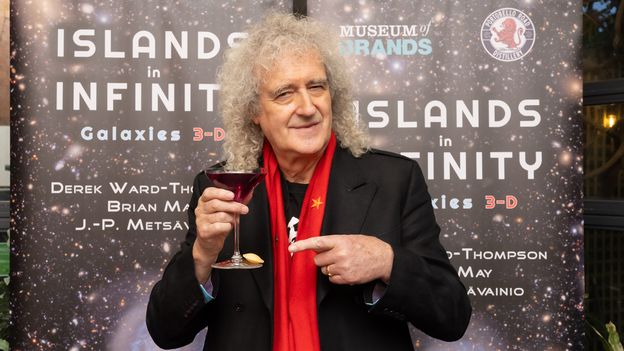
  • 🌌 Scientists show galaxies in amazing 3D pictures. A team including musician Brian May works hard for years to create space photos that look like they pop out of the page.
  • 🪐 Powerful telescopes help us see faraway galaxies. These tools look deep into space and reveal huge groups of stars we could never see before.
  • 👓 Special viewers make the pictures look real. When kids look through the viewer, the galaxies appear full of depth, like floating in space.
  • ✨ Experts explain how galaxies change over time. They share new discoveries, like the Milky Way having special bars of stars in the middle.
  • 🔭 A space photographer builds each 3D picture by hand. He carefully moves tiny pixels and removes nearby stars to show each galaxy clearly.
📰 Full edition: 17-23 November 2025