
Starting 1 March 2026: Screens, Schools & Smart Parenting
Welcome to this week's news, all summarised with amazing AI.
Modern parenting requires new strategies to help children thrive in an increasingly digital world while developing essential life skills, values, and digital literacy.
👨👩👧 Parents News Summary
📱 Screen Cravings
Children are drawn to screens not for joy but because apps trigger dopamine "wanting" loops, trapping kids in cycles of seeking more without feeling satisfied.
🍔 Food & Screens Parallel
Ultra-processed foods mirror screen addiction — both engineered to create craving without fulfilment, reducing interest in healthier alternatives.
⚽ Replace, Don't Just Remove
Experts say taking screens away isn't enough — replacing them with sports, hobbies, and outdoor play that meet children's needs is far more effective.
🌎 Digital Parenting Programs
A digital version of the Irie Homes Toolbox program in Jamaica showed lasting improvements in non-violent discipline and parenting confidence for over 1,100 caregivers.
💛 Parenting is Human
There is no single "right" way to parent — every child and family is different, and parents benefit most from practical guidance, empathy, and community support.
🤝 Less Alone, More Supported
Parenting resources should feel realistic, not judgmental — helping parents navigate behavior, school stress, and mental health challenges with confidence.
🌱 Why Kids Crave Screens | Digital Parenting in Jamaica | Parenting Is Human
 'Dopamine Kids' explains why children crave screens and helps them enjoy life insteadA mom and science writer offers an operating manual for parents grappling with kids' screen use and cravings for sweets.
- Children crave screens because technology triggers dopamine in the brain, creating a powerful "wanting" loop rather than genuine enjoyment.
- Modern apps and games use gambling-like techniques to keep children engaged, simulating progress and social connection artificially.
- Dopamine drives "wanting" not happiness, kids keep seeking more screen time without ever feeling truly fulfilled or satisfied.
- Ultra-processed foods create a similar craving cycle, engineered to increase desire without satisfaction, reducing appetite for healthier options.
- Experts recommend replacing screens with engaging activities; sports, outdoor play, or hobbies, that genuinely meet children's needs for fun, independence, and connection.
 Three implementation lessons from a digital parenting interventionA digital version of Jamaica's Irie Homes Toolbox improved non-violent discipline and parenting confidence for over 1,100 caregivers.
- Violence against children is widespread globally; positive parenting programs using non-violent discipline can reduce harsh punishment and improve child development.
- A digital version of the Irie Homes Toolbox, using SMS tips, app videos, and online group sessions was tested with 1,100+ caregivers of children aged 2 to 6 in Jamaica.
- Results were positive: parents showed improved attitudes toward non-violent discipline, reduced violent punishment, and greater confidence, with effects lasting up to 9 months.
- Despite being free, only about 10% of participants used the mobile app, proving that accessibility alone does not guarantee technology adoption.
- Measuring violence and collecting biological stress data proved difficult, highlighting the need for better evaluation tools in digital social programs.
 Column: Parenting is hard. It's also meaningful, maddening and deeply human.A clinical social worker and parent on why there is no single right way to parent, and why support beats judgment.
- Parenting is genuinely challenging and often stressful, especially in communities where expectations for families and children feel very high.
- The author, a clinical social worker and parent, regularly hears parents wondering whether they are raising their children the "right" way.
- There is no single correct parenting method: every child, family, and developmental stage is unique and requires a personalised approach.
- Many parenting resources feel unrealistic or judgmental, so parents benefit far more from practical guidance, empathy, and genuine support.
- This column aims to help parents feel less alone by addressing common challenges such as behaviour, mental health, school stress, and family dynamics.
🍎 Teachers News Summary
✊ Challenge Misogyny Daily
Male teachers are uniquely positioned to challenge misogynistic attitudes in schools every day — not just on symbolic occasions like International Women's Day.
🌐 Online Influence on Boys
Research shows misogynistic behaviour among boys is rising, partly driven by online content, while schools sometimes overlook or excuse these behaviours.
🤖 AI in the Classroom
Teachers are grappling with AI chatbots that can write student essays — the challenge is balancing useful AI tools with opportunities for authentic independent thinking.
📖 Preserving Authentic Learning
Strategies like in-class reading, handwritten writing, and thoughtful discussion help preserve genuine student engagement even as AI becomes ubiquitous.
🕊️ Freedom to Teach
Philosopher Barrio Maestre argues teachers must be freed from excessive administrative burdens and pedagogical trends to focus on deep knowledge and intellectual development.
🏛️ Back to Intellectual Roots
Modern education reforms risk turning schools into entertainment hubs — reconnecting with philosophy, critical thinking, and the Socratic tradition is essential.
💻 Challenging Misogyny Daily | Teacher vs Chatbot | Let Teachers Teach
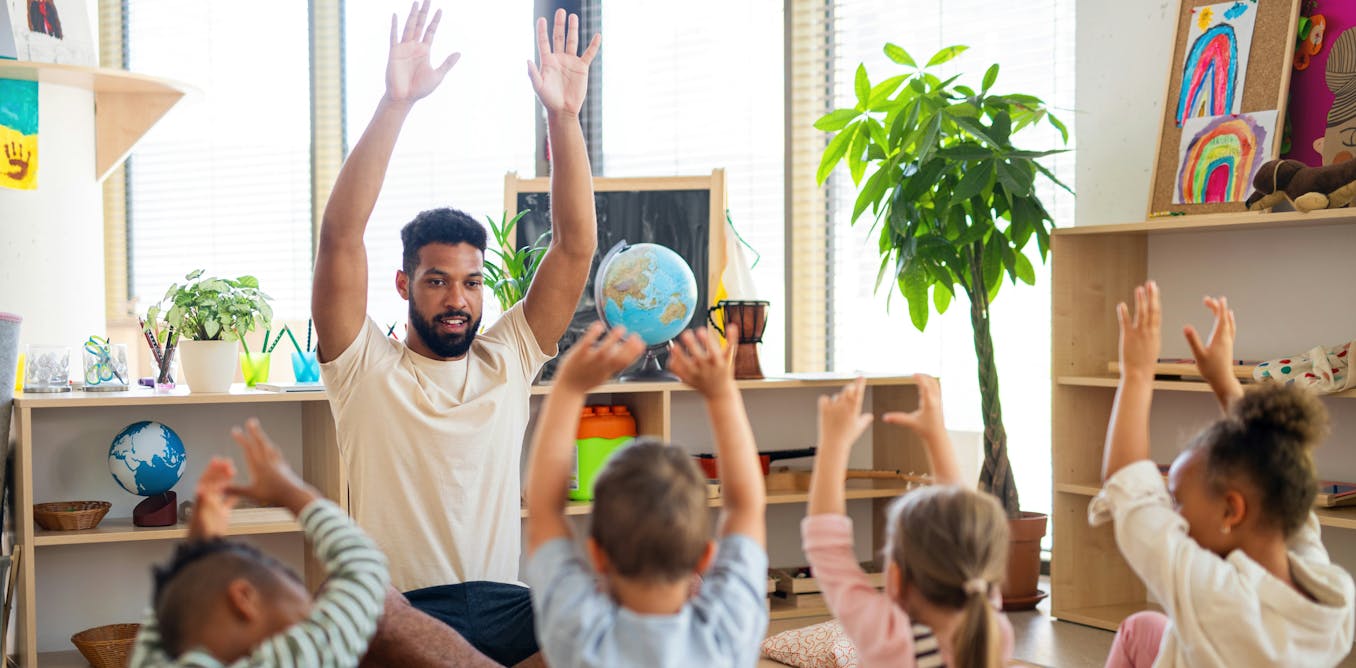 Male teachers can challenge misogyny in schools every day, not just on International Women's DayCanadian and Australian studies hear from male teachers who promote gender and social justice in their classrooms.
- Schools are crucial spaces for addressing gender inequality because teachers interact with students daily and can actively shape respectful attitudes and behaviours.
- Male teachers can directly challenge misogyny, sexism, and harmful masculinity by addressing disrespectful language, bullying, and harassment in the classroom.
- Research shows misogynistic behaviour among boys is increasing in some settings, partly driven by online content, while schools sometimes overlook or excuse these patterns.
- Male teachers and leaders can influence boys by modelling respectful behaviour and demonstrating that promoting gender equality is also a responsibility for men.
- Consistent actions, calling out sexist jokes, discussing power dynamics, and encouraging emotional expression, help build safer, more respectful schools for everyone.
 Teacher v chatbot: my journey into the classroom in the age of AIA new English teacher negotiates classroom difficulties with AI in the mix, balancing tools with authentic thinking.
- A new English teacher struggled with how to handle the growing use of AI chatbots, especially as students can now easily generate full essays using these tools.
- Educators are divided: some believe AI harms learning by enabling cheating and weakening critical thinking, while others view it as a tool for personalised feedback and support.
- Classroom observations revealed both problems, AI-generated work and source confusion, and positive moments when students engaged deeply with books and discussion.
- The teacher experimented with in-class reading, handwritten tasks, creative assignments, and open discussions about how and why students use AI tools.
- While AI will remain part of students' lives, teachers must carefully balance technology use with space for independent thinking, reading, and authentic writing.
 "Teachers must be allowed to teach"Spanish philosopher José María Barrio Maestre on freeing teachers from administrative burdens to focus on deep knowledge.
- Spanish philosopher José María Barrio Maestre argues teachers must be free to focus on knowledge and intellectual thinking, rather than being constrained by trends or excessive administrative work.
- Modern educational theories have weakened teaching by overemphasising methods, technology, and social values at the expense of strong subject knowledge and intellectual development.
- Pedagogy is more art than science, developed through real classroom experience, and effective teaching depends on knowledgeable, experienced educators.
- Reforms since Spain's 1990 LOGSE law have turned schools toward entertainment, activities, and social goals rather than serious intellectual learning.
- Education must reconnect with philosophy and the Socratic tradition, guiding students to think deeply, respect truth, and build knowledge through strong intellectual foundations.
✨ Extra Pearls 💎
For Parents: 5 Bonus Tips
- Create screen-free rituals 📵: designate specific times, like mealtimes and the hour before bed, as screen-free, replacing them with conversation, reading, or board games.
- Model the behaviour you want 🪞: children mirror adult habits. When parents put down their own devices, children learn that the real world is worth paying attention to.
- Praise effort, not perfection 🌟: avoid placing excessive pressure on outcomes. Celebrate curiosity, resilience, and trying, not just achieving top results.
- Ask open questions daily 💬: simple questions like "What made you laugh today?" or "What was hard today?" build emotional intelligence and trust over time.
- Seek community 🤝: connect with other parents, locally or online, to share strategies and reduce isolation. Parenting is not meant to be done alone.
For Teachers: 5 Bonus Tips
- Build micro-moments of connection 🤝: a brief, personal check-in with a student takes 30 seconds and can significantly shift their engagement and sense of belonging.
- Co-create AI guidelines with students 🤖: rather than banning AI outright, involve students in crafting class norms for its use, this builds critical thinking and ownership.
- Protect time for slow thinking 🐢: schedule uninterrupted reading, reflection, or handwriting sessions weekly. Deep thinking is a skill that requires regular, intentional practice.
- Name what you see 📣: when you witness respectful or courageous behaviour, especially in relation to gender or inclusion, name it aloud. Positive reinforcement shapes culture.
- Protect your professional identity 🛡️: stay grounded in your subject expertise and values. Administrative pressures are real, but your intellectual passion is what inspires students most.
Remember: the most meaningful changes happen in small, consistent, daily acts — both at home and in the classroom. 💛
Thank You for Reading!
🧠 Stay Curious!
Keep reading news from around the world to learn amazing new things every day!
🤔 Ask Questions!
Wondering about something you read? Ask a grown-up to help you find more information!
📚 Share Knowledge!
Tell your friends and family about the cool facts you learned today!
Check back next week for more exciting news stories from around the world!
💌 We Value Your Feedback!
How can we improve our insights? We're constantly working to enhance our coverage of Insights. Your input helps us deliver more relevant and valuable information.
💡 Suggest Topics
What sectors or regions would you like to see covered in more depth?
🎨 Format Preferences
Would you prefer more visualizations, case studies, or expert interviews?
🗓️ Update Frequency
How often would you like to receive these insights?