💡 Tips and Advice
 School psychology insights could support whole classroomsThe Conversation explains how individual assessment recommendations could inform accessible teaching for more pupils. The authors describe preliminary research and call for stronger consultation, not a proven universal intervention.
- The Conversation describes Canadian shortages in school psychology. In Ontario in 2023 to 2024, only 26 percent of elementary schools reported regularly scheduled psychologist access, while 24 percent reported no access.
- Assessment can combine parent and teacher interviews, observations and measures of learning, attention, memory and other areas to identify strengths and needs. A formulation does not always include a diagnosis.
- Recommendations can include breaking complex tasks into steps, organizational supports and different ways to access information or demonstrate learning. The authors argue that some such practices could benefit classmates too.
- The authors’ pilot work compared 50 psychological profiles with universal design for learning concepts. It found overlap around language and symbols, executive functioning and self regulation. This is preliminary alignment research, not a classroom effectiveness trial.
- The authors call for stronger relationships, consultation and teacher learning so assessment knowledge informs inclusive classroom design. They also discuss earlier evidence based reading support, rather than relying solely on more individual assessments.
 Limited school protests resume in FranceEuronews reports renewed blockades at some French high schools over learning conditions and inequality. Promises on teachers, class sizes and admissions are government announcements, not confirmed improvements.
- Euronews reports that some French high school students resumed blockades after the autumn holidays on 2 November. The education ministry said about 1 percent of the country’s 3,700 lycées were blockaded, not all schools.
- The report links the movement to demonstrations begun by high school students in September over learning conditions and inequality, followed by wider cost of living rallies.
- The government announced changes to university admissions, more teachers and caps on class sizes. The article reports these commitments but does not establish that staffing or classroom conditions had already improved.
- In Marseille, students stacked rubbish bins at one school entrance. A 16 year old protester told AFP that the answers offered were insufficient. This is one participant’s view, not a survey of all pupils.
- Education minister Édouard Geffray urged a return to lessons, warning about exam preparation and saying several hundred thousand students had missed four or five weeks. Those figures are attributed to the minister; the report also notes fiscal constraints on further spending.
 School board stops scanning teachers’ faces to track attendanceCBC reports that Eskasoni School Board ended facial recognition attendance tracking after teachers raised concerns about biometric data and informed consent.
- Eskasoni School Board in Nova Scotia stopped using facial recognition technology to track staff attendance, according to CBC.
- The scanners had been installed in spring; staff looked at a wall mounted tablet at the start and end of each school day.
- The tablet displayed a staff member’s photograph, full name and recent attendance record.
- Union president and teacher Jonathan Cox said staff accepted attendance tracking but questioned where biometric data was stored and who could access it.
- Cox said staff did not believe they had given informed consent. The board did not respond to CBC’s request for comment, so the article presents the union’s account.
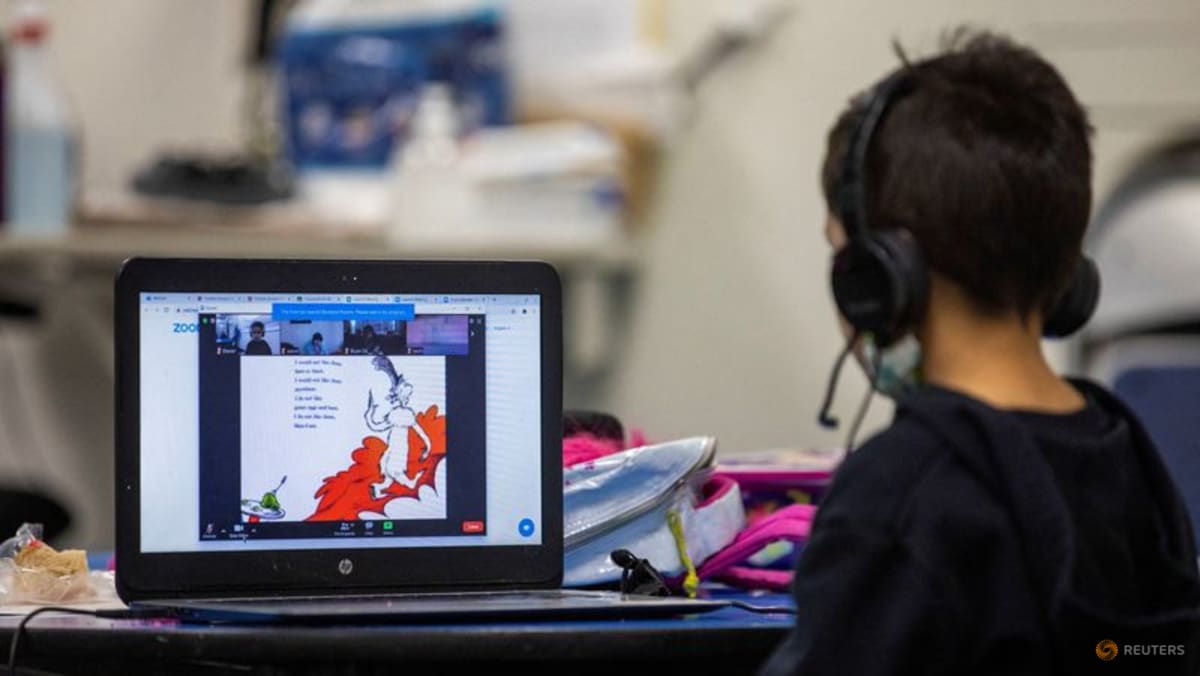 Teachers rethink classroom assessment in the AI ageReuters, republished by CNA, reports how teachers are using oral exams, classroom writing and explanations of reasoning to assess learning as AI tools spread.
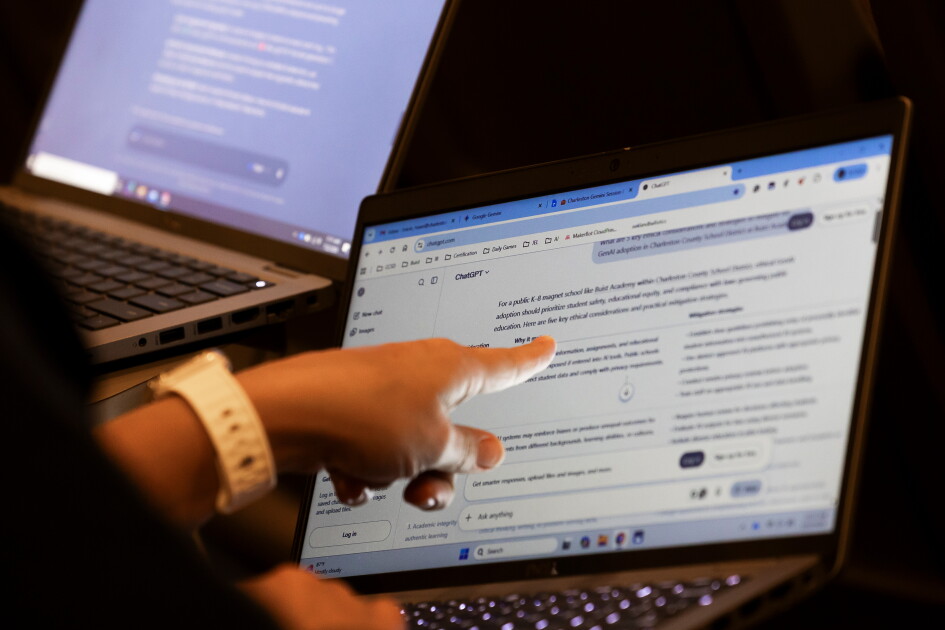
- Reuters interviewed a dozen teachers and education experts about how generative AI is changing assessment in US middle and high schools.
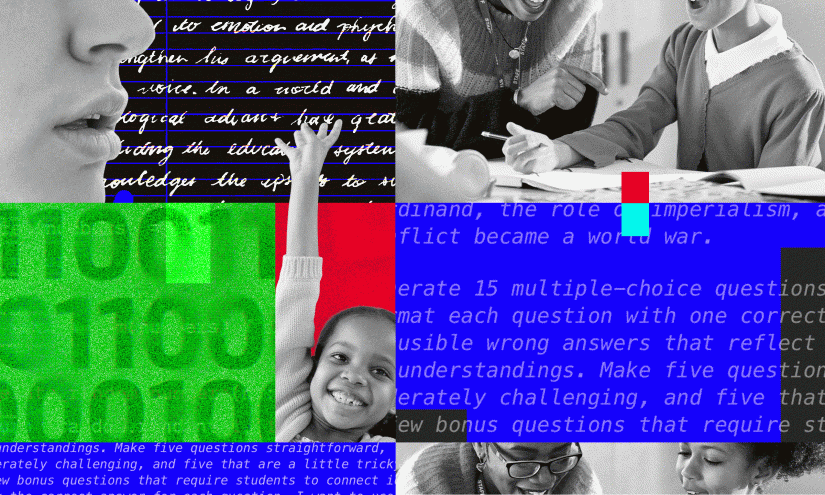
- San Francisco humanities teacher Tristen Chang replaced essays completed at home with oral exams covering character, plot, theme and metaphor.
- Chang asks fifteen questions, which students can answer in as little as five minutes, to hear their understanding directly.
- New York maths teacher Bobson Wong assigns fewer homework questions and more classroom practice, asking students which problem solving method they prefer and why.
- Teachers described varied approaches, from handwritten work to using AI to adapt reading materials. These interviews illustrate classroom choices, not proof that one approach works for every learner.
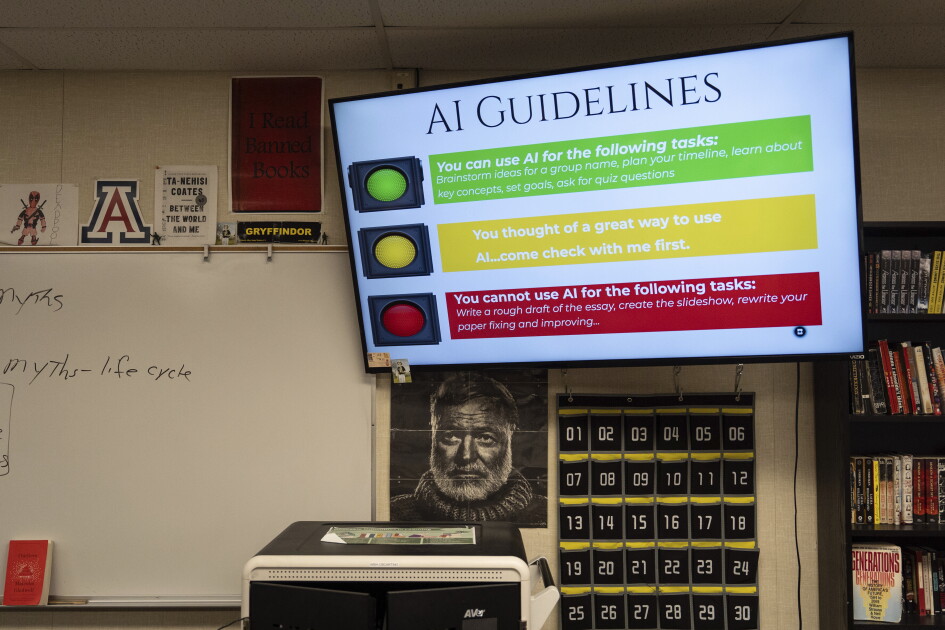 3 Ways to Build Elementary Students’ Digital Literacy SkillsThis practical article describes how elementary schools teach children to use technology safely, responsibly and purposefully.
- Education Week describes how elementary schools build digital literacy, in an article by Jennifer Vilcarino.
- A school in Falls Church, Virginia, devotes one hour weekly during the first month of school to specific digital skills.
- A school in Mendon, Massachusetts, teaches about cyberbullying and AI’s potential role in it.
- Fairfax County’s digital literacy curriculum uses materials designed by Common Sense Media.
- Kindergarten materials use six characters, arms, legs, guts, feet, heart and head, with feet representing digital footprints and guts representing online safety.
 Schools in England must recognise antisemitism as distinct category of harm, report saysA government commissioned review calls for schools and colleges in England to recognise antisemitism explicitly and strengthen their response to it.
- The Guardian reports on a government commissioned review of antisemitism in schools and colleges in England, led by Sir David Bell, a former chief inspector of Ofsted.
- The review contains 27 recommendations, which the article says the government was expected to accept.
- A survey for the review found that three in five Jewish students had experienced antisemitism.
- Recommendations include dedicated teacher training and a national advice hotline for school leaders.
- The Community Security Trust recorded 178 school related antisemitic incidents in the first half of 2026, compared with 112 during the same period in 2025.
 National Teachers of the Year Will Help Aspiring Teachers Earn Degrees for FreeA new institute plans online degrees, local mentoring and scholarships for its first cohort, while seeking approval and accreditation.
- Education Week reports that the new Educators Institute was launched by the National Center for Grow Your Own.
- It plans four year online bachelor’s courses and at least a year of mentoring with a local instructional coach.
- Former National Teachers of the Year are helping design courses that address everyday classroom needs.
- The first programmes focus on special education and multilingual classrooms, with an initial 20 to 30 participants receiving full scholarships.
- Courses are planned for spring 2027, but approval and accreditation for teacher licensure are still being pursued. Federal student aid is not yet available.
 How Even Teachers’ Smallest Judgment Calls Add UpIn an opinion essay, veteran educator Heidi Wells asks school leaders to reduce competing demands and recognise teachers’ invisible emotional work.
- Heidi Wells, a veteran English and reading educator, describes decision fatigue in her 15 October opinion essay.
- Even small requests require judgment, alongside planning, accommodations, records and communication with families.
- She argues that emotional labour often remains invisible and can leave teachers exhausted even when they love their work.
- She asks school leaders to examine policies for redundancy and remove old initiatives as new ones are adopted.
- Her proposed educational triage means deciding what needs attention now, what can wait and what can be removed. This is an opinion, not a tested intervention.
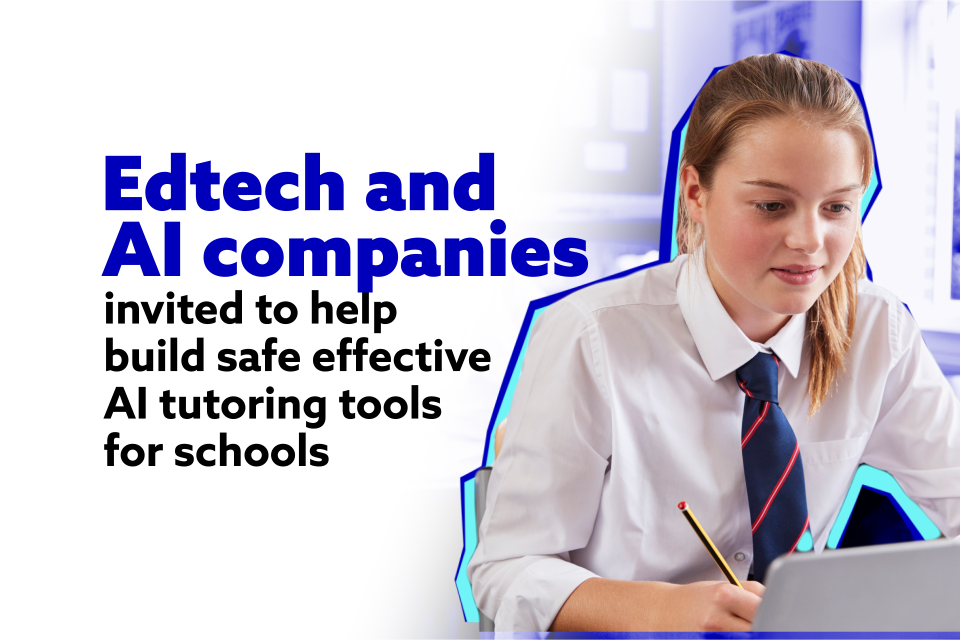
 AI Literacy Belongs in Every K 12 ClassroomNew York City paused student generative AI through eighth grade, as surveys show most teachers want AI literacy but lack guidance.
- New York City announced a one year pause on student generative AI through eighth grade.
- High school students there get restricted access plus required critical thinking modules on AI risks.
- An Ipsos survey found 78 percent of teachers want responsible AI use in the curriculum.
- Yet 52 percent said their school had given no guidance, or they were not sure any existed.
- More than 80 percent of students say no teacher has explicitly shown them how to use AI for school.
 Think Your Students Know More About AI Than You Do? Read ThisSeven in 10 teens rely on AI for schoolwork, yet only 26 percent have been taught how to check whether its answers are accurate.
- Education Week reports that AI is already part of students' lives, whether or not districts allow it.
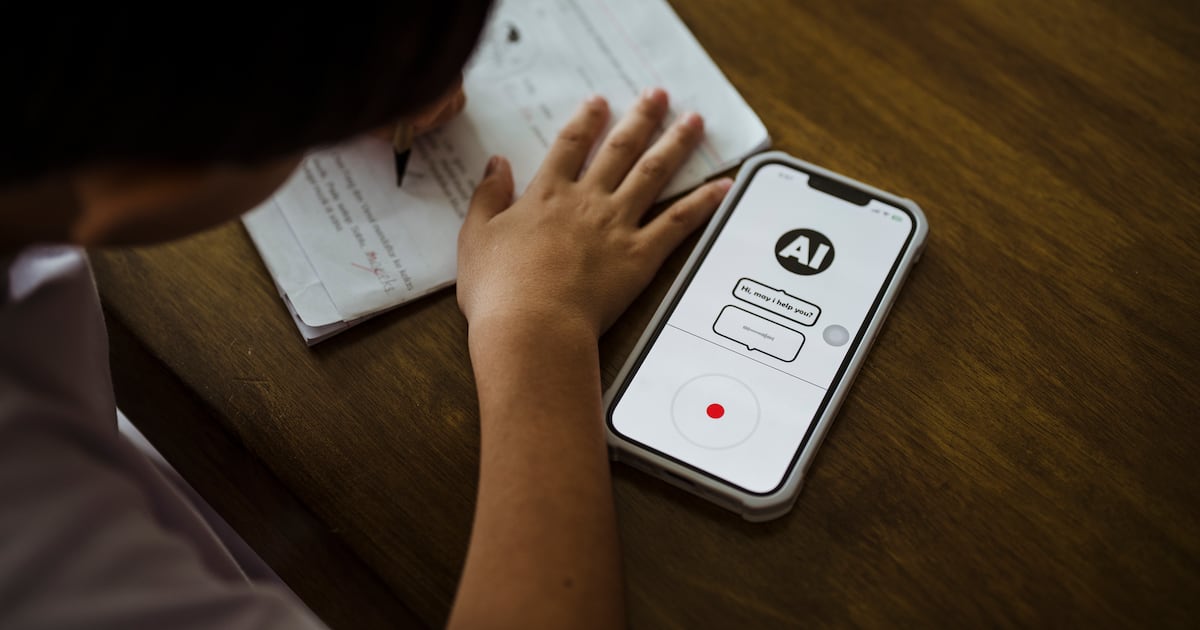
- Seven in 10 teens use AI for academic work, but only 26 percent have learned to check its accuracy.
- Pilot data shows students are weak at judging where an AI answer comes from.
- Students need to ask follow up questions, check the credibility of sources and test whether conclusions fit the evidence.
- Teachers of any subject, from science to history, can build these classic critical thinking moves into lessons.
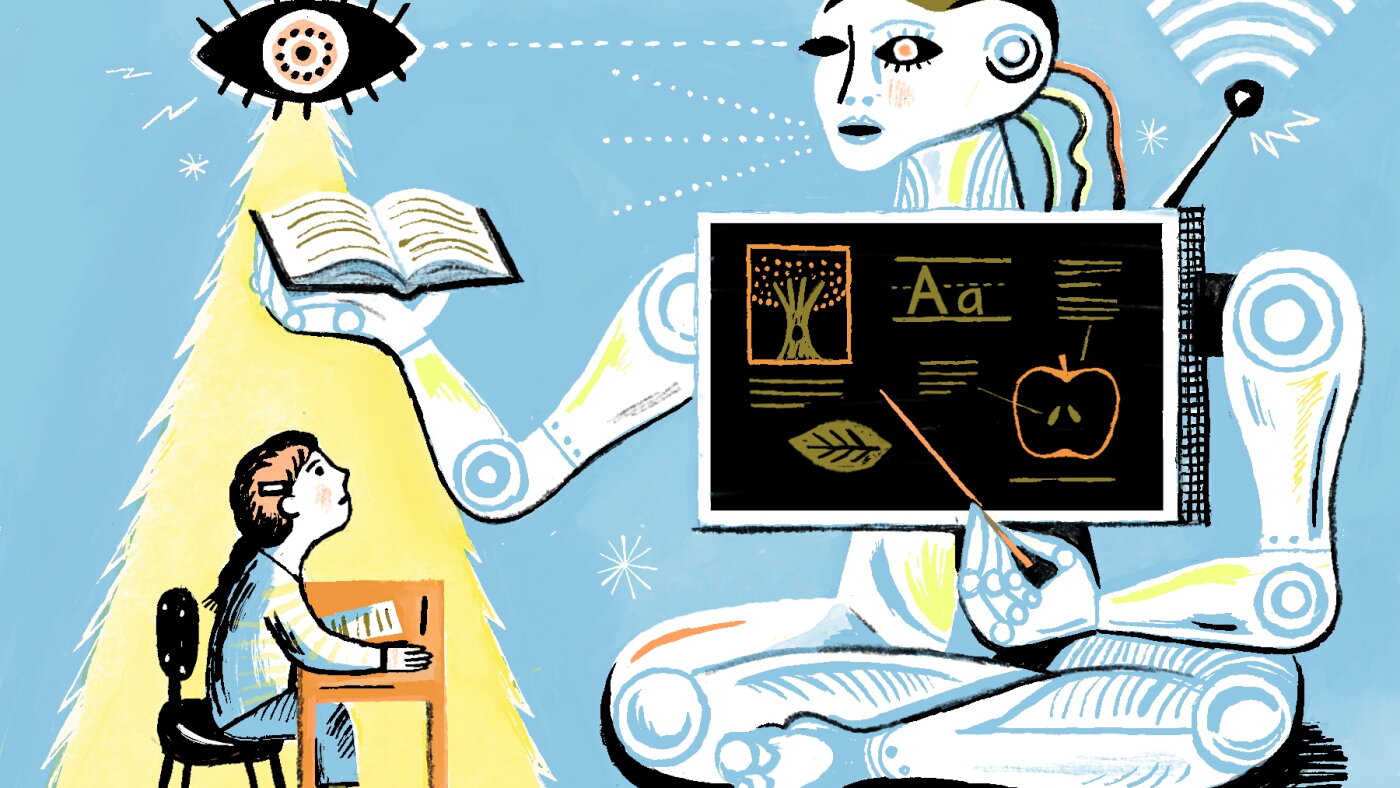 Schools are experimenting with AI with little evidence or policy to guide themTeachers use AI for lesson plans and some districts use chatbots for student feedback, while research on what helps remains very limited.
- NPR reports that teachers increasingly use AI to build lesson plans and some districts use chatbots for feedback.
- Dayton Public Schools paid $72,600 for AI tools, including a social emotional chatbot called Jordan.
- Some students formed strong relationships with the chatbot, raising questions about boundaries.
- Research on how AI helps students learn is still extremely limited.
- Many schools are experimenting before clear policies exist, so careful review and evaluation are essential.
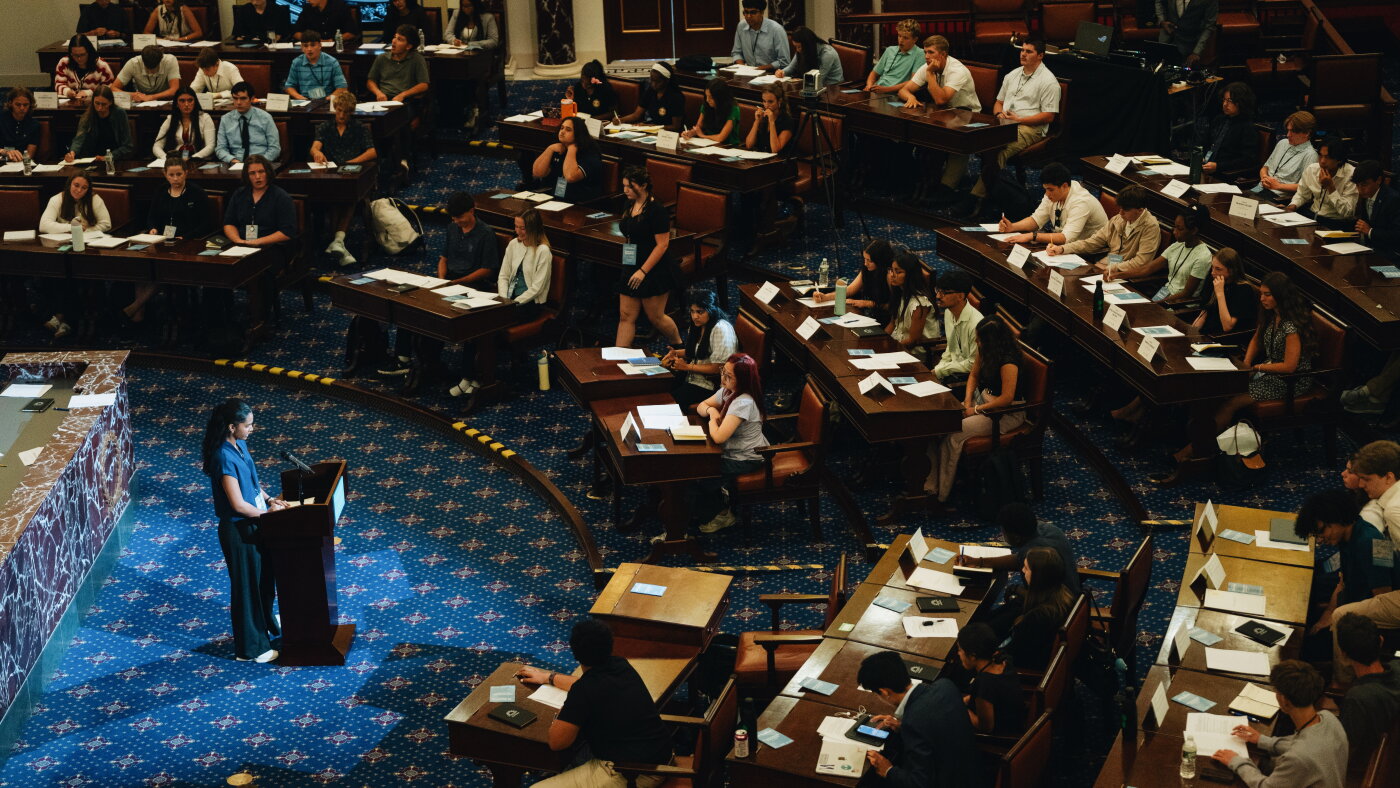 Students Set Their Own AI Policy for Schools98 teenagers from all 50 states drafted the Students First Act, recommending a ban on AI in graded tests and clear AI usage policies each semester.
- With no national policy on AI in schools, 98 teenagers representing all 50 US states gathered in Boston to draft their own "Students First Act".
- The bill, passed 82 to 16, recommends banning AI on graded tests while allowing editing, brainstorming and studying with AI after eighth grade.
- Students proposed that anyone suspected of misusing AI have their work reviewed by two school officials, not just unreliable AI detection software.
- The bill sets expectations for educators, including a requirement to post a clear written AI usage policy each semester.
- The nonprofit AASA plans to circulate the bill to its 10,000 member school leaders, many of whom are crafting their own AI policies.
 We Must Stop Using AI to Level Down Our StudentsUsing AI to simplify complex texts limits student growth. Educators should scaffold support so students rise to complexity instead.
- The commentary argues against using AI tools to simplify complex texts down to students' current reading levels.
- Levelling down limits student growth: educators should scaffold support to help students reach complex texts instead.
- The piece was prompted by a district considering a costly AI tool marketed specifically for text levelling.
- Stripping down canonical literary language undermines the value and challenge those texts are meant to provide.
- The article calls on teachers to build students' capacity for complexity rather than lowering the bar to meet current skill levels.
 How to Stay Ahead of the AI Curve: Lessons From Two Very Different DistrictsA 1,000 student Wisconsin school and a 206,000 student Florida district share lessons on tracking AI use, parent town halls and teacher training.
- District leaders from a 1,000 student Wisconsin school and a 206,000 student Florida district shared AI rollout lessons at a national ed tech conference.
- Both districts struggle to track which AI tools staff and students are actually using, as many default to unapproved apps.
- Leaders stressed the importance of parent town halls and developing clear AI privacy statements for the community.
- AI generated individualised education plans still require close human review to avoid legal and accuracy problems.
- Both districts are building ongoing teacher training so staff can explore AI tools freely within clear guidelines.
 Can AI Help Students Learn Social-Emotional Skills?A small but growing number of educators are testing AI chatbots for social emotional learning, sparking debate over authentic student growth.
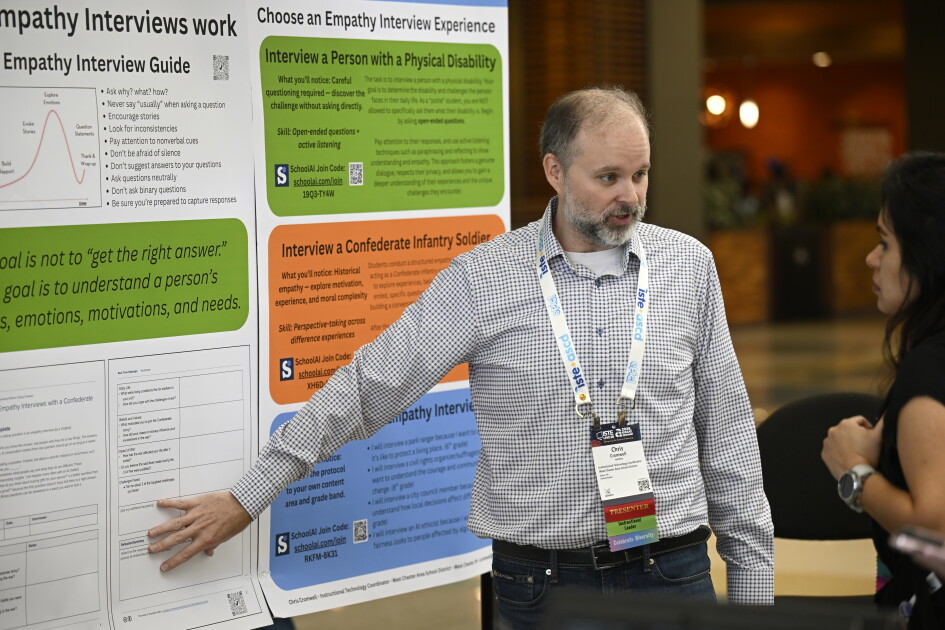
- Education Week reports that a small but growing number of educators are experimenting with AI chatbots to teach social emotional skills.
- Instructional technology coordinator Chris Cromwell presented on the approach at the ISTELive 26 and ASCD Annual Conference in Orlando on July 1.
- Proponents say generative AI can let students practice empathy, perspective taking, and self awareness in a low pressure setting.
- The report comes alongside broader EdWeek Research Center survey data showing educators remain divided on AI's overall impact on teaching and learning.
- The piece adds to ongoing debate over whether AI tools support or undermine authentic social emotional development in students.
 NYC Delays AI Guidance for Schools After BacklashNearly 6,500 public comments pushed New York City to pause its school AI guidance, leaving teachers without clear rules as adoption accelerates.
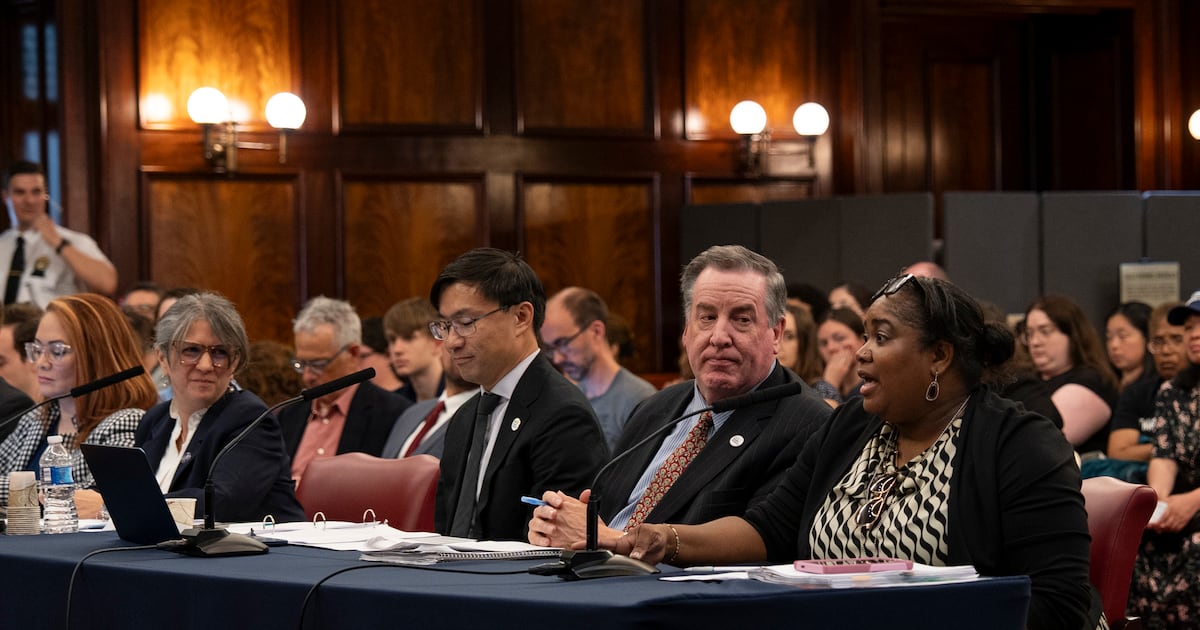
- New York City's education department has delayed its comprehensive AI guidance for schools after the March 2026 draft policy triggered fierce public backlash, with nearly 6,500 comments submitted during the consultation period.
- First Deputy Chancellor Danielle Giunta cited the shifting national conversation around AI in schools and the volume of community feedback as reasons for stepping back from the original June deadline.
- The delay leaves thousands of teachers and school leaders without clear district wide rules on AI use at a moment when adoption is accelerating rapidly and policy is struggling to keep pace.
- Nationally, three quarters of school districts now have some form of AI guidelines, a notable jump from just a year ago, but the quality and scope vary enormously, creating significant equity gaps.
- The NYC situation illustrates a tension playing out worldwide: the pressure to move quickly on AI integration is running ahead of the research, safeguarding frameworks, and teacher training needed to implement it responsibly.
 Students Are Experiencing AI in Very Different WaysStudents' AI exposure in schools is deeply uneven, shaped by conflicting state standards, district policies, and individual teacher choices.
- Students' AI exposure in schools is deeply uneven, shaped by conflicting state standards, district policies, and individual teacher choices rather than any national approach.
- Some students regularly use AI writing and brainstorming tools; others have the same tools blocked or unavailable due to device or network limitations.
- This inconsistency raises equity concerns comparable to those seen during the early years of internet access in schools.
- Some schools switched AI tools mid-year after age restrictions were introduced, causing disruption that fell hardest on already-challenged students.
- Educators are calling for clearer district-level AI guidance, warning that without coherent policy, the technology will deepen existing attainment gaps.
 What's at Stake for Schools This ElectionIndiana school board elections are undergoing structural changes that require parents and teachers to stay informed about local governance.
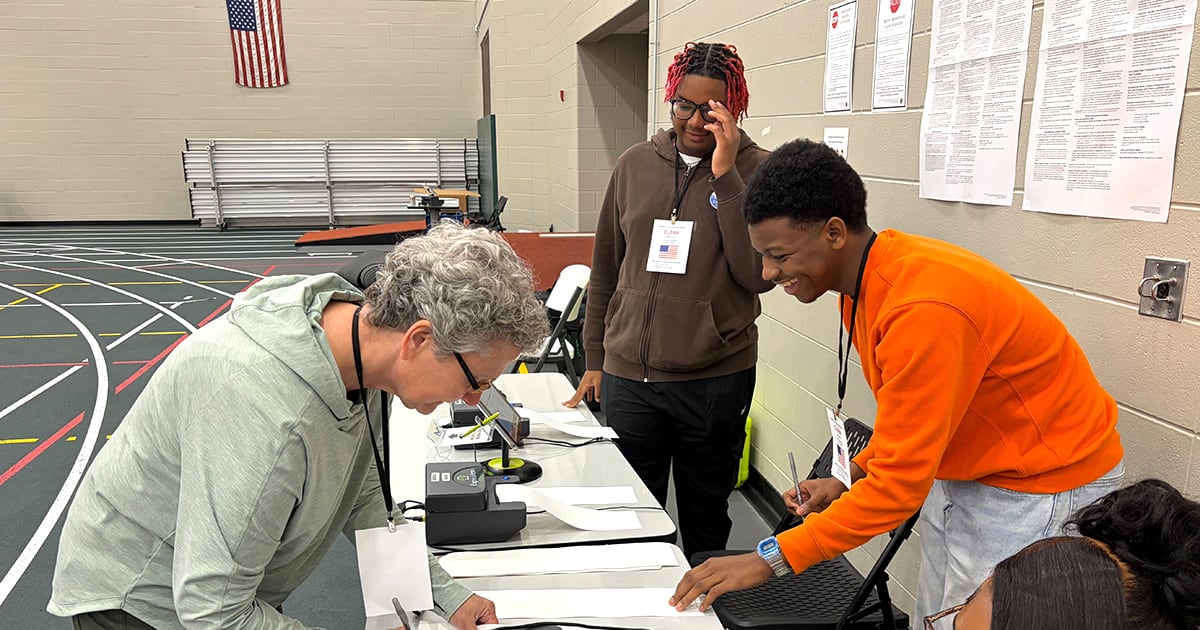
- Indiana school board elections are undergoing structural changes that require parents and teachers to stay informed about local governance.
- Candidates may now feature partisan labels, shifting how voters evaluate potential educational leadership and priorities.
- Voters should prepare for an increase in ballot measures regarding school funding and resource allocation within their specific districts.
- These legislative shifts influence the future of Indianapolis Public Schools and regional township districts by altering how board members are selected.
- Adults must actively monitor these political developments to understand their direct impact on classroom environments and student success across the state.
 Most K-12 teachers say AI's impact on education will eclipse the internet or computersA new NPR/Ipsos poll shows many teachers are using AI to save time, but a majority are also worried the technology is making it harder for students to learn to think for themselves.
- Nearly three in four K-12 teachers say AI will have a bigger impact on education than the internet or computers.
- 62% of teachers use AI at least weekly, mainly for lesson planning and admin tasks.
- 54% believe AI is making it harder for students to develop critical thinking skills.
- Six in ten teachers say AI is eroding trust between students and teachers.
- Around 80% of teachers believe schools should formally teach responsible AI use.
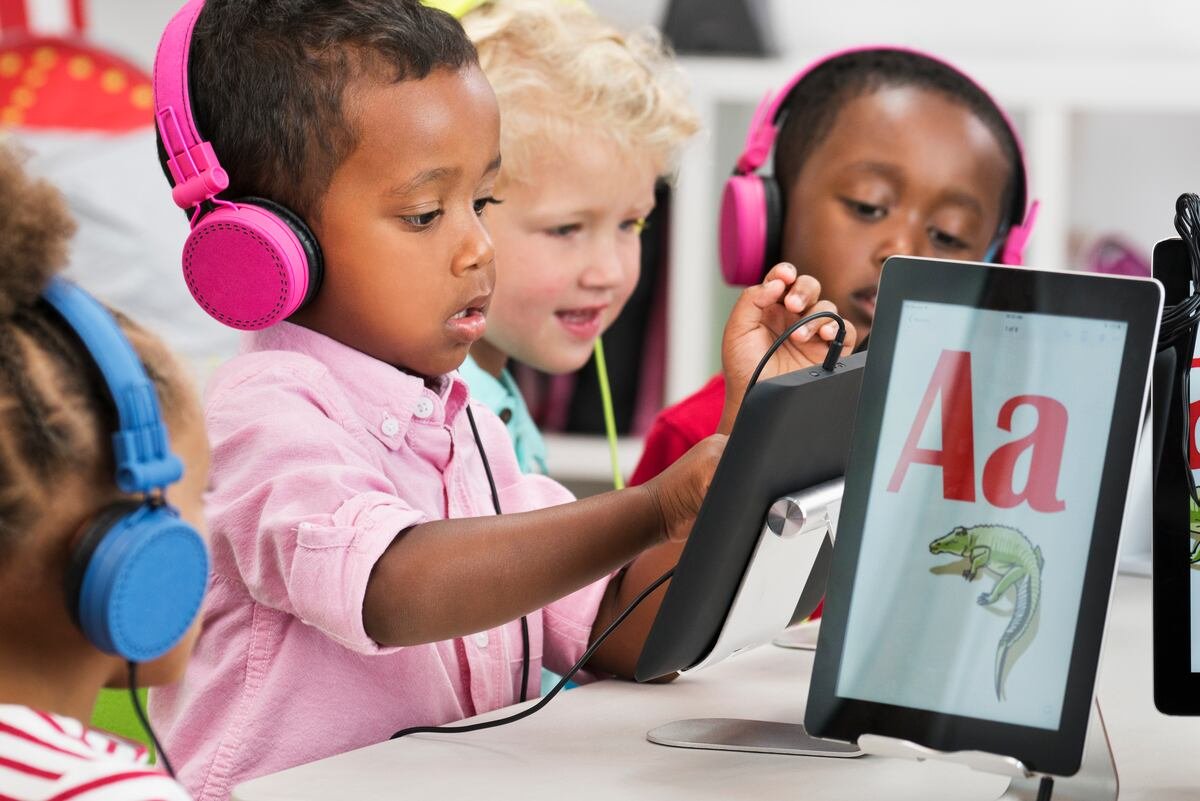 New York state teachers union joins chorus against education technology in schoolsThe state teachers union passed a resolution calling for a ban on screens for young learners, and restrictions on AI chatbots and student-facing AI.
- New York's state teachers union voted to ban individual screen use for children in pre-K through second grade.
- The resolution also calls for banning AI chatbots for all students under 16.
- NYC Schools Chancellor described AI as "the most invasive technology we have seen."
- Los Angeles, Iowa, and several other states are pursuing similar screen and AI restrictions.
- Educators are urging that technology policy be led by evidence and expertise, not tech providers.
 After Embracing AI for Teachers, Randi Weingarten Backs Restrictions for StudentsThe AFT president is walking a tightrope on AI in education, backing limits on student-facing technology in early childhood classrooms.
- Educators and parents should prepare for a potential nationwide push to limit screen time as school leaders advocate for stricter technology boundaries.
- Research indicates that excessive classroom technology use may negatively impact student learning, leading to calls for significant restrictions in early childhood education.
- Teachers should anticipate new policies that ban student facing artificial intelligence in elementary schools to protect younger children from unvetted digital tools.
- Regulatory proposals including a tax on major technology companies aim to hold platforms accountable for their influence on the modern educational environment.
- Families and schools are encouraged to work together to prioritize human interaction over digital devices to improve student focus and social development.
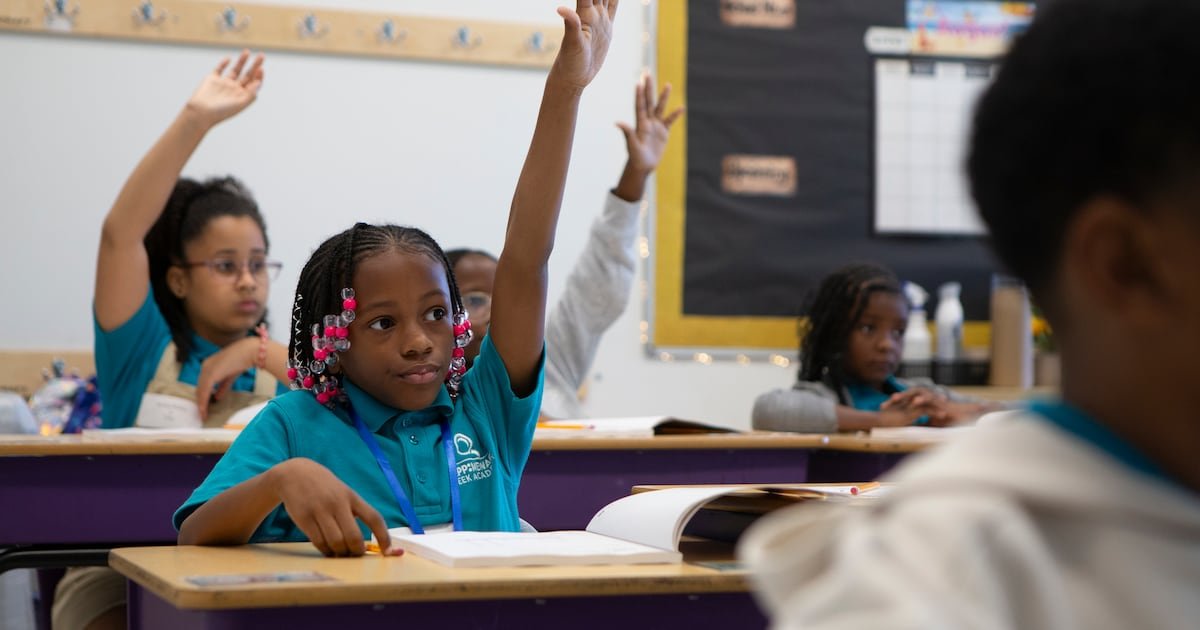 Newark Public Schools students are improving faster than most, but they are still behindA new national education report shows Newark students improving faster than most, yet still roughly two grade levels behind in math and reading.
- Newark public school students are currently demonstrating some of the fastest academic improvement rates in the nation.
- Despite this rapid growth, local children remain approximately two grade levels behind the national average in core subjects like math and reading.
- The data suggest that while classroom instruction is effectively accelerating progress, a significant achievement gap persists compared to peers across the country.
- Teachers and parents should recognize that students are making historic gains even though they have not yet reached grade level proficiency.
- Future educational strategies must focus on maintaining this high momentum to ensure that Newark students eventually close the gap with national standards.
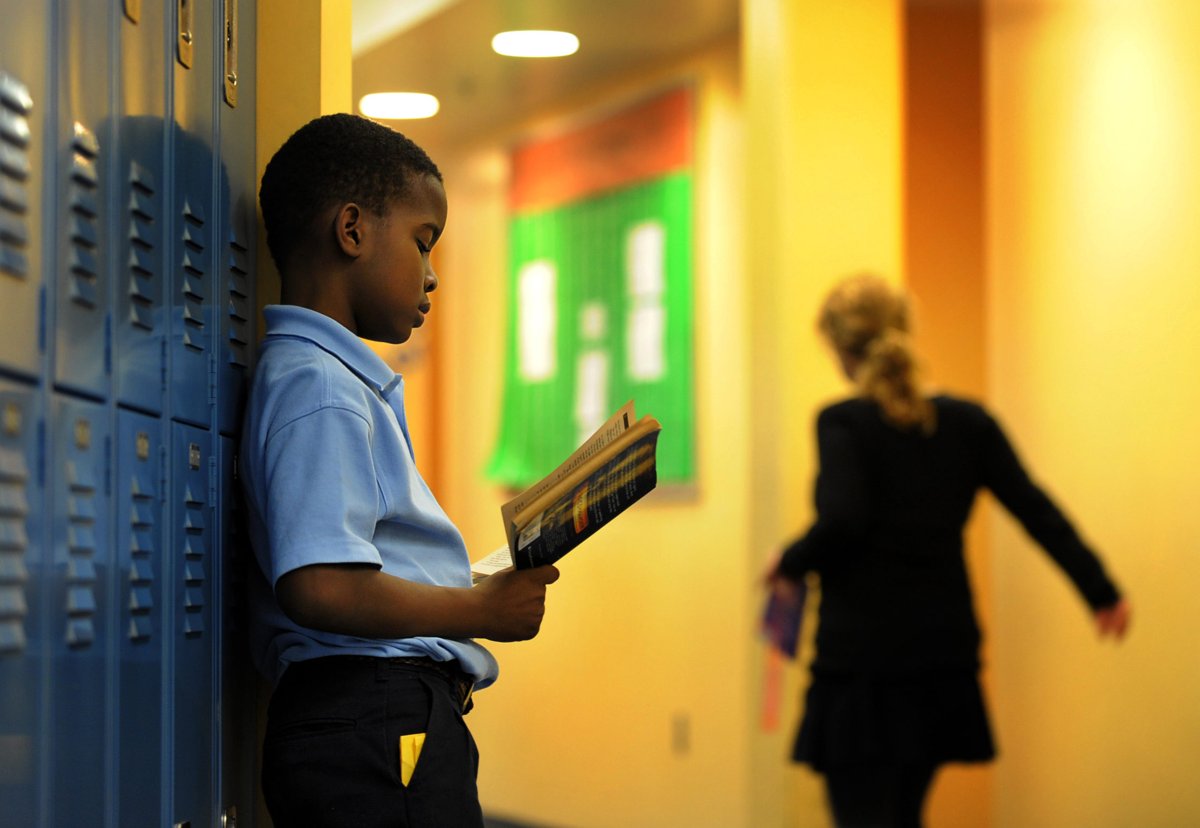 America's fastest-improving school system still falls shortWashington, DC's education paradox: rapid gains paired with low proficiency show why growth and mastery must be measured separately.
- Rapid academic growth in a school system does not always equate to high student proficiency or meeting grade level standards.
- Adults must distinguish between the speed of a student's improvement and their actual mastery of core educational subjects.
- Successful instructional models often utilize transitional moments throughout the school day to reinforce disciplined learning habits and focus.
- Consistent progress in urban charter settings suggests that structured environments can support significant gains even in historically underperforming districts.
- Parents and educators should monitor long term achievement data to ensure that early momentum leads to college and career readiness.
 Putting students on school boards treats young people as participants in their own democracy, but only if adults listen to themStudent representatives on school boards give young people a real role in democracy, but only when adults genuinely listen and act on their input.
- Research implies that youth perspectives offer valuable insights into the daily realities of the classroom that adult board members may overlook.
- Educators and parents should recognise that simply seating students is insufficient without a genuine commitment from adults to listen and act on their input.
- Legislative mandates for student representation ensure that local school boards become inclusive environments for civic learning and leadership development.
- Adults must foster a collaborative atmosphere where student voices are treated as essential contributions to school governance rather than symbolic gestures.
- A Canvas LMS breach has exposed student and teacher data across U.S. school districts.
 Latest Canvas Attack Shows Schools Still Struggle With CybersecurityA cyberattack on one of the world's largest education platforms exposed student and teacher data, highlighting the need for multi-factor authentication and staff training.
- Parents and teachers should remain vigilant for phishing attempts or suspicious communications that appear to originate from school platforms or educational services.
- Review digital classroom permissions and limit sensitive data in third-party apps.
- Families should implement multi-factor authentication on all school-related accounts and use unique, complex passwords to reduce the risk of unauthorised access.
- MIT writing instructor Micah Nathan argues AI-generated writing weakens the learning process behind authentic writing and undermines student growth.
- Key takeaway: the real educational value of writing comes from the difficult process of shaping thoughts into words, not simply producing a finished product.
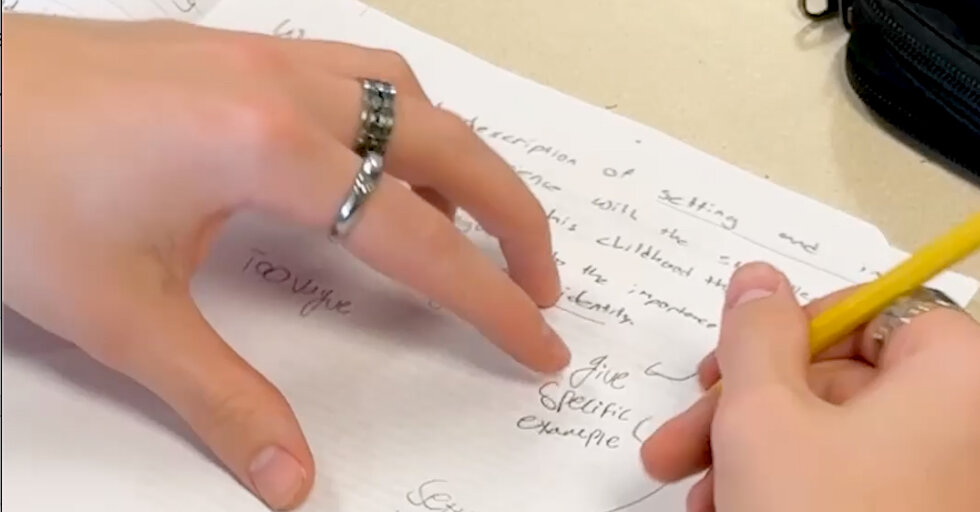 How Are Your Teachers Handling Writing in the Age of A.I.?Schools are moving writing back into supervised classrooms and redefining it as a tool for thinking, balancing traditional skills with an AI filled future.
- Many schools are shifting writing assignments back into classrooms to reduce overreliance on AI tools like ChatGPT.
- Teachers are increasingly using handwritten, in class writing and more personal reflection assignments that AI cannot easily replicate.
- Educators are rethinking the purpose of writing, emphasising critical thinking, creativity, and personal understanding rather than just polished output.
- Student AI use has risen rapidly, with concerns growing about weakened critical thinking and independent writing skills.
- Key takeaway: schools are trying to balance teaching traditional writing and thinking skills while preparing students for a future where AI tools are common.
 Artificial Intelligence in Education: Learning by Doing and Evaluating to ScaleArgentina's AI-powered early warning systems identify at-risk students and guide timely support, but governance and trained teachers come first.
- AI improves learning outcomes and school management only when aligned with clear teaching goals, strong infrastructure, and trained educators.
- Argentina's data systems and early warning tools successfully identify students at risk and guide timely interventions.
- Effective AI implementation requires governance: measuring impact early, data privacy, equity, and local evidence before scaling.
- Teachers remain central: AI supports decision making and personalisation but does not replace human instruction.
- Key takeaway: AI works best as a carefully managed tool within a broader education strategy, not a standalone solution.
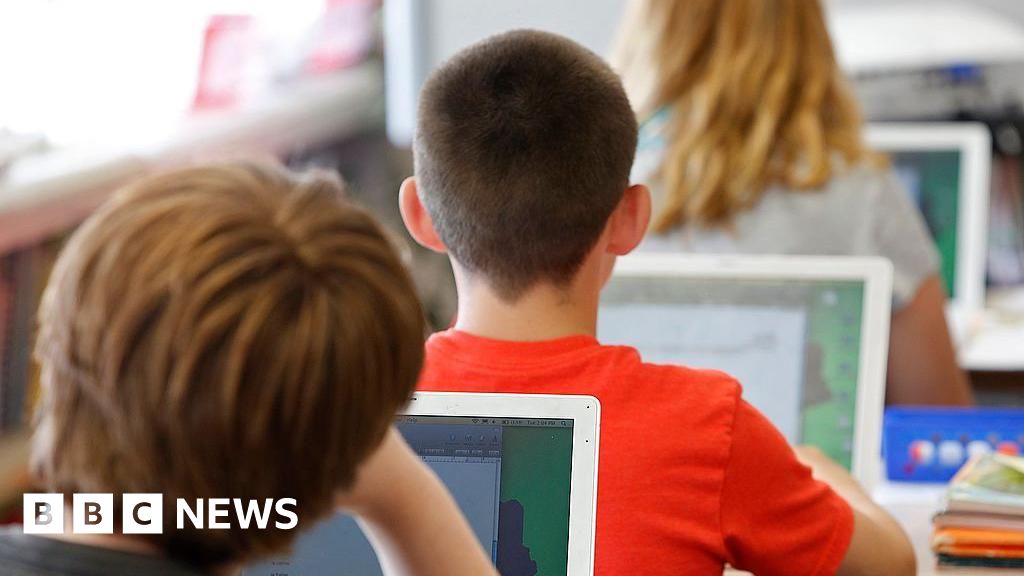 Los Angeles schools set limits on classroom screen timeLA becomes the first major U.S. district to formally restrict classroom screen time, banning devices for Grade 1 and younger and blocking YouTube on school devices.
- Los Angeles becomes the first major U.S. school district to formally limit classroom screen time.
- New policy bans device use for first grade and younger students and requires age-based screen-time rules for all grades.
- Schools will block platforms like YouTube on school devices and allow parents to opt out of certain digital tools.
- Decision follows concerns linking excessive screen time to lower academic performance, obesity, and depression.
- Key takeaway: schools are shifting toward stricter, research-based limits to balance technology use with student well-being and learning outcomes.
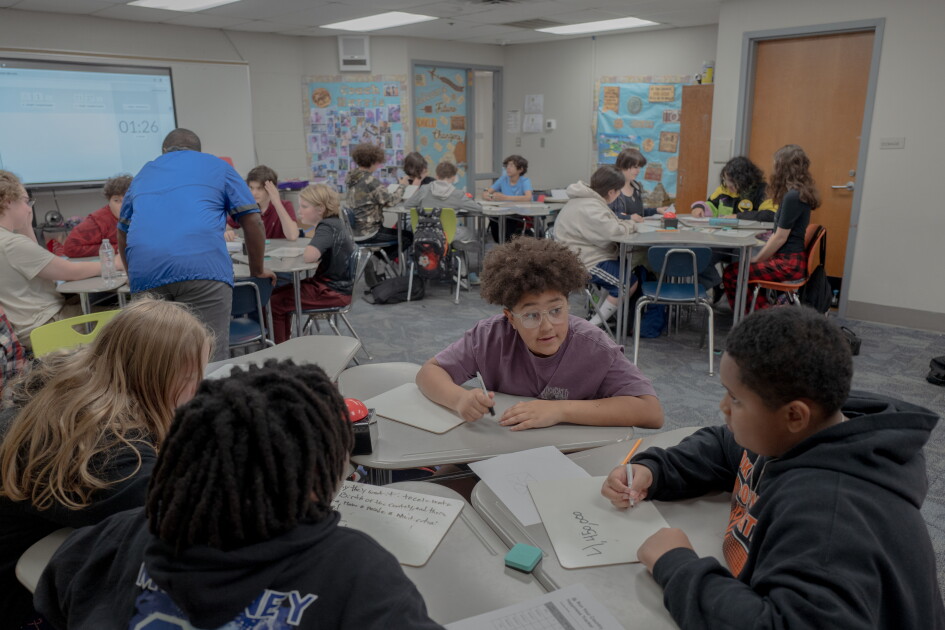 The Ed-Tech Backlash Is Here. What It Means for SchoolsParents, policymakers and educators are pushing back on excessive classroom tech; schools are responding with tech-free days and more intentional digital use.
- Schools are facing growing pushback from parents, policymakers, celebrities, and educators over too much classroom screen time.
- Concerns increased after pandemic-era 1-to-1 device programs, generative AI, social media harms, and student mental health worries.
- Educators are divided: tech can support learning, feedback, and accessibility, but may also hurt focus, behaviour, and well-being.
- Some schools are responding with tech-free days, clearer parent communication, and more intentional use of digital tools.
- Key takeaway: schools need balance, using technology only when it clearly improves learning, not as a default.
 Everyone talks about critical thinking. Here's how schools should actually teach itCritical thinking needs a clear definition, safe classrooms and structured media literacy teaching to prepare students for algorithms and deepfakes.
- Critical thinking is widely emphasised in education, but often poorly defined and not effectively taught in classrooms.
- In today's AI and social media environment, critical thinking requires careful observation, questioning, and independent reasoning, not passive learning.
- It develops best in open, supportive environments where students can safely challenge ideas rather than simply memorise or debate to win.
- Modern challenges like algorithms, misinformation, and deepfakes mean students must understand how digital media works and influences them.
- Schools should adopt structured programmes teaching media literacy, verification skills, and responsible information use to build independent thinkers.
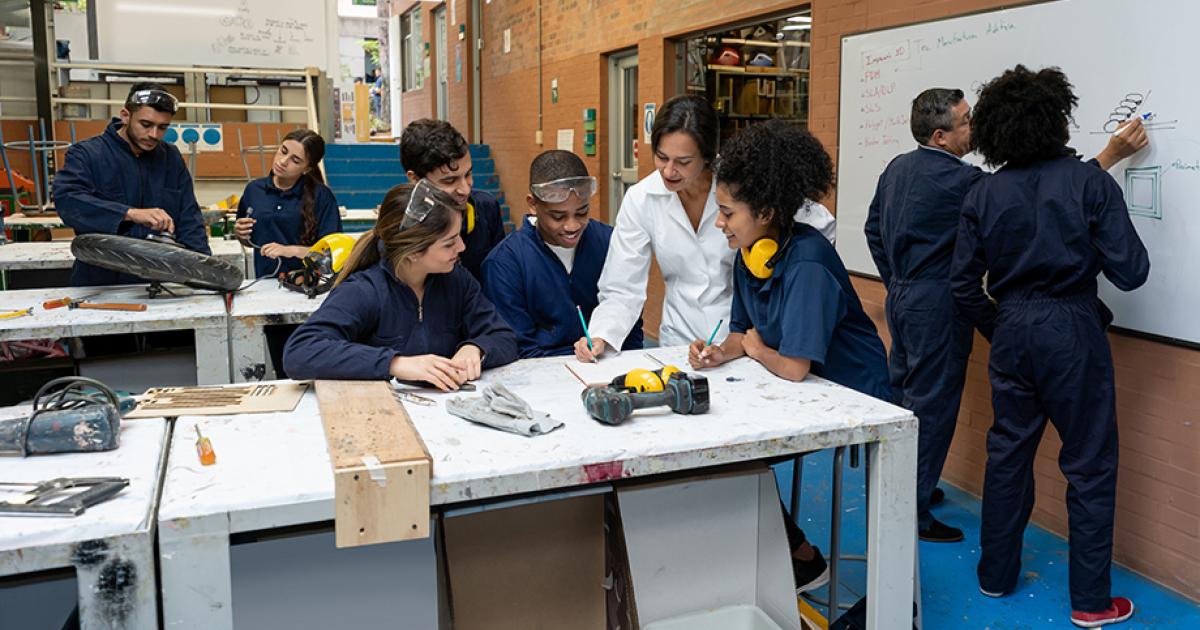 Community Schools in Los Angeles Unified: Transforming Teaching and LearningLAUSD community schools combine academics, support, family engagement and partnerships, with early gains in attendance, math and English.
- LAUSD community schools improve student learning by combining academics with support, family engagement, and community partnerships for whole-child environments.
- California's CCSPP provides state funding helping districts build networks, staff key roles, and create coordinated systems for continuous improvement.
- Three instructional priorities: welcoming inclusive classrooms, community-connected project-based learning, and career-focused Linked Learning pathways.
- System-level support includes professional development, coaching, collaboration time, and dedicated staff roles to ensure consistent implementation.
- Early results show improved attendance, reduced chronic absenteeism, and stronger gains in math and English compared to similar schools.
 Teachers Say They Can Almost Always Tell Which Kids Use AI Instead Of Their Own Brains By These 3 BehaviorsTeachers share the three behaviors of kids who use AI often, as well as the potential impacts and what parents can do about it.
- Teachers report a growing trend of students relying on AI tools early in the problem-solving process, often skipping initial independent thinking and immediately seeking AI-generated answers.
- Students who frequently use AI show lower tolerance for confusion, struggling to persist through uncertainty or explain their reasoning without external assistance.
- Some students begin treating AI outputs as unquestionable authority, often citing responses like those from ChatGPT as definitive rather than critically evaluating them.
- Educators warn this behaviour contributes to "cognitive debt," where over-reliance on AI reduces opportunities to practise essential skills like reasoning, inquiry, and evidence evaluation.
- Experts, including Dr. Ryan Stevenson, recommend balancing AI use with activities that strengthen cognition, such as handwriting practice, music training, and logic-based games to support attention, memory, and critical thinking.
 Male teachers can challenge misogyny in schools every day, not just on International Women's DayCanadian and Australian studies hear from male teachers who promote gender and social justice in their classrooms.
- Schools are crucial spaces for addressing gender inequality because teachers interact with students daily and can actively shape respectful attitudes and behaviours.
- Male teachers can directly challenge misogyny, sexism, and harmful masculinity by addressing disrespectful language, bullying, and harassment in the classroom.
- Research shows misogynistic behaviour among boys is increasing in some settings, partly driven by online content, while schools sometimes overlook or excuse these patterns.
- Male teachers and leaders can influence boys by modelling respectful behaviour and demonstrating that promoting gender equality is also a responsibility for men.
- Consistent actions, calling out sexist jokes, discussing power dynamics, and encouraging emotional expression, help build safer, more respectful schools for everyone.
 Teacher v chatbot: my journey into the classroom in the age of AIA new English teacher negotiates classroom difficulties with AI in the mix, balancing tools with authentic thinking.
- A new English teacher struggled with how to handle the growing use of AI chatbots, especially as students can now easily generate full essays using these tools.
- Educators are divided: some believe AI harms learning by enabling cheating and weakening critical thinking, while others view it as a tool for personalised feedback and support.
- Classroom observations revealed both problems, AI-generated work and source confusion, and positive moments when students engaged deeply with books and discussion.
- The teacher experimented with in-class reading, handwritten tasks, creative assignments, and open discussions about how and why students use AI tools.
- While AI will remain part of students' lives, teachers must carefully balance technology use with space for independent thinking, reading, and authentic writing.
 "Teachers must be allowed to teach"Spanish philosopher José María Barrio Maestre on freeing teachers from administrative burdens to focus on deep knowledge.
- Spanish philosopher José María Barrio Maestre argues teachers must be free to focus on knowledge and intellectual thinking, rather than being constrained by trends or excessive administrative work.
- Modern educational theories have weakened teaching by overemphasising methods, technology, and social values at the expense of strong subject knowledge and intellectual development.
- Pedagogy is more art than science, developed through real classroom experience, and effective teaching depends on knowledgeable, experienced educators.
- Reforms since Spain's 1990 LOGSE law have turned schools toward entertainment, activities, and social goals rather than serious intellectual learning.
- Education must reconnect with philosophy and the Socratic tradition, guiding students to think deeply, respect truth, and build knowledge through strong intellectual foundations.
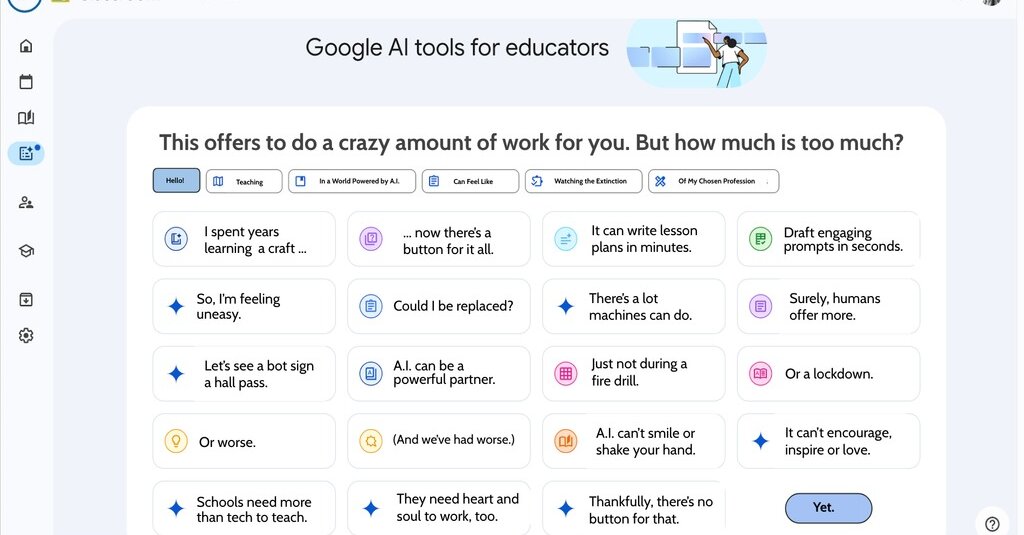 Teachers on How A.I. Is Reshaping the ClassroomHigh school educators describe, in images, essays and videos, what it is like to teach as AI transforms education.
- AI is deeply embedded in classrooms, with students using chatbots for assignments, raising concerns about academic integrity.
- Teachers feel mixed emotions; fear, frustration, and opportunity, as AI produces polished work that challenges assessment.
- Educators are rethinking what skills matter most, shifting from memorization toward critical thinking and creativity.
- Some teachers integrate AI thoughtfully as a brainstorming partner or feedback tool, while students guide and refine outputs.
- Teacher-led communities are growing to experiment, share strategies, and develop responsible AI approaches in education.
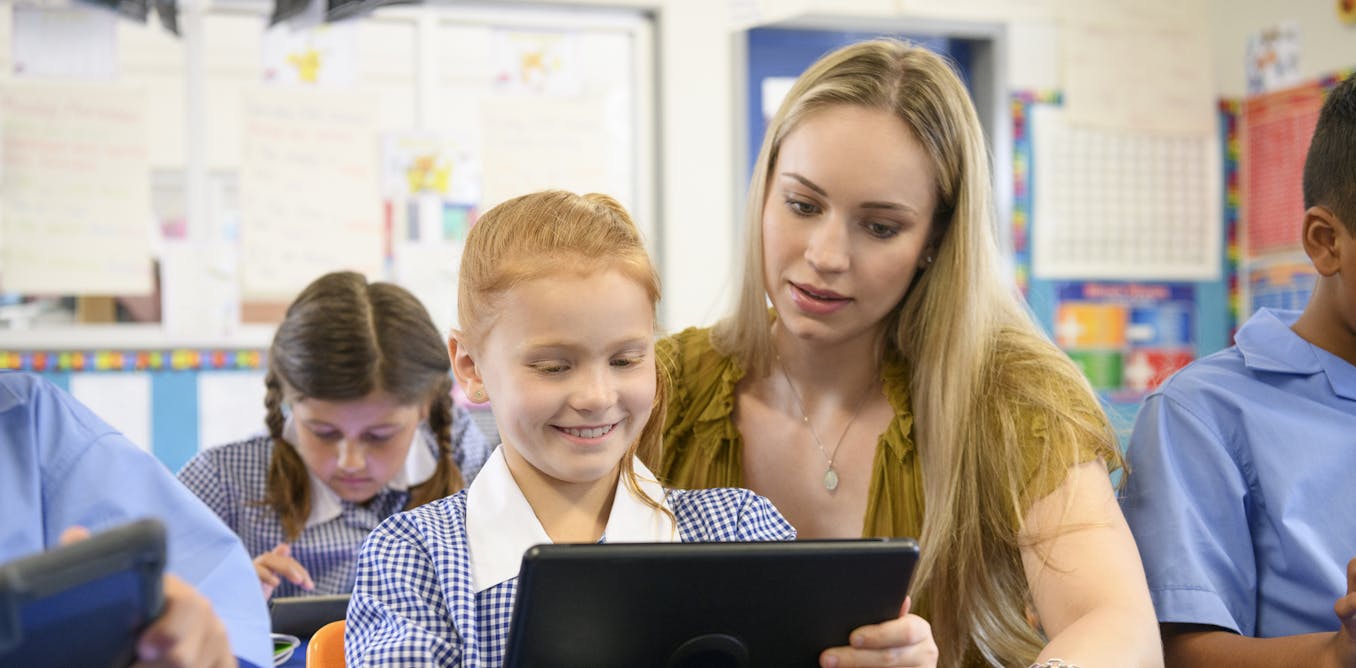 Victorian public school teachers want a 4-day week trial. What could this mean for schools?Teachers spend much of their week face-to-face with students, but a large share of their work happens beyond the classroom.
- The Victorian teachers' union is calling for a four-day work week trial and possible work-from-home arrangements for greater flexibility.
- Teachers currently spend ~55% of their 38-hour week in face-to-face teaching; the rest involves planning, marking, and admin.
- The proposed model would consolidate non-contact duties into one day, students would still attend school five days a week.
- International examples, especially in the US, show four-day models attract and retain teachers with significant increases in job applications.
- Research shows generally stable academic performance when teaching time is maintained, though logistics and workload concerns remain.
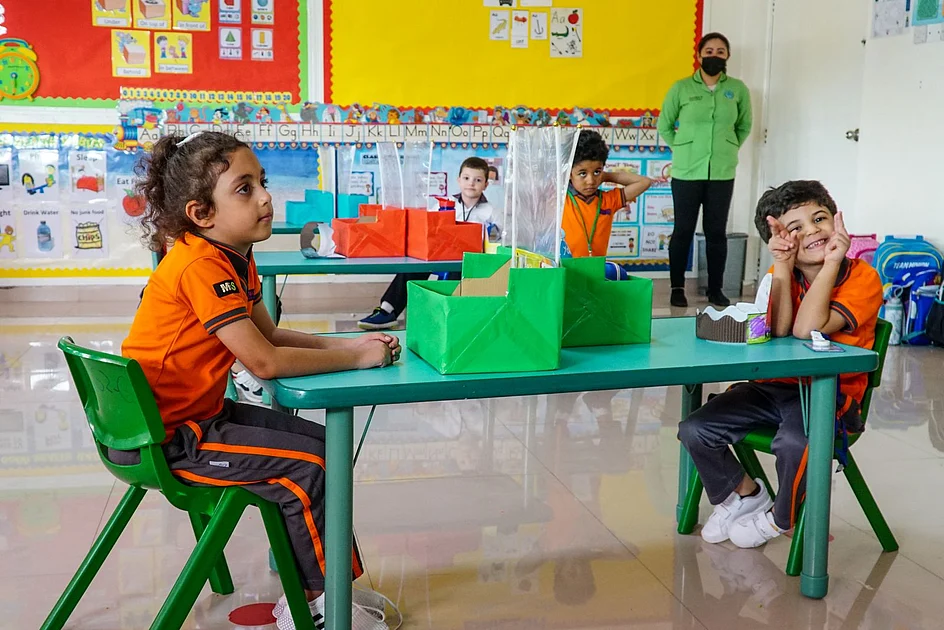 Body odour, bad breath? How UAE schools are teaching better hygiene habitsBetter hygiene education improves children's health and attendance, and positively impacts families and communities.
- UAE schools are integrating personal hygiene education into daily learning to support student health, confidence, and well-being.
- Teachers and school doctors use interactive sessions, posters, and activities to teach hygiene positively and sensitively.
- Guidance covers practical habits like bathing, washing PE kits, and using mild deodorant, tailored to children's developmental needs.
- Schools encourage mutual respect and considerate behaviour, while avoiding strong fragrances that could trigger allergies or asthma.
- Parents are engaged through emails, workshops, and communication to reinforce hygiene habits at home in a supportive way.
 The greatest risk of AI in higher education isn't cheating — it's the erosion of learning itselfAutomating knowledge production and teaching weakens the ecosystem of students and scholars that sustains universities.
- AI use in universities is expanding far beyond concerns about cheating, affecting teaching, research, and administration in profound ways.
- Nonautonomous AI helps with tasks like admissions, scheduling, and advising, but raises issues of privacy, bias, and transparency.
- Hybrid AI tools assist students, faculty, and researchers, but may reduce learning by encouraging cognitive offloading and changing accountability.
- Autonomous AI agents could perform research and teaching tasks independently, risking the erosion of skill-building for students and early-career academics.
- The central challenge for higher education is preserving the ecosystem of learning and mentorship, not just producing outputs like papers, degrees, or research.
 UAE enforces stricter school attendance rules to curb pre-holiday absencesThe UAE's latest efforts to curb student absences, especially before holidays.
- UAE Ministry of Education has introduced nine measures to reduce student absences, especially on Fridays and just before school holidays, stressing that attendance is a shared responsibility between schools and families.
- Education Minister said attendance is being monitored, with electronic tracking, instant parent notifications, and updated rules that link absences to academic promotion.
- During discussion at the Federal National Council, Speaker Saqr Ghobash emphasized that families ultimately allow absences and should be held accountable.
- Unjustified absences are limited to 15 days per year, days missed may count double, and students who exceed limits could have certificates withheld.
- While officials report attendance improvements, some council members say schools should also make pre-holiday days more engaging through activities, rewards, and awareness efforts aimed at both students and parents.
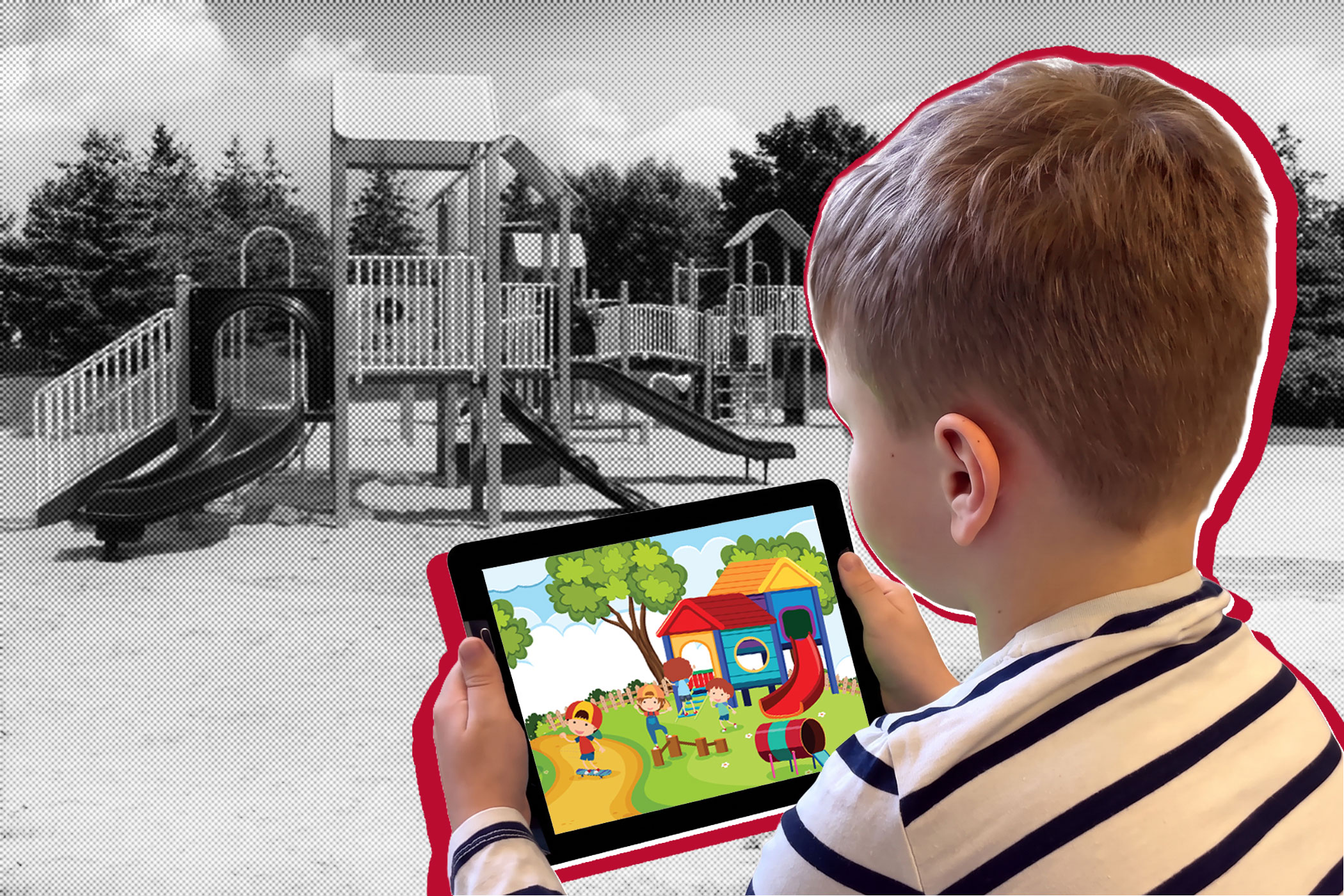
 Should Tablets Replace Textbooks in K-12 Schools?The pros, cons, and arguments in the debate over digital versus traditional learning materials.
- Tablets are now common in daily life, and many schools are debating whether to replace traditional textbooks with digital versions on student devices.
- Supporters argue tablets are lighter, can store many books, may lower long-term costs, boost engagement and creativity, and are linked by many educators to improved learning outcomes.
- Critics warn tablets can be expensive, distracting, fragile, require strong Wi-Fi, may cause eye or health complaints, and can become outdated quickly.
- Access to digital learning has expanded rapidly, with most districts now connected to broadband and a large majority of schools already using some form of digital textbooks or devices.
- While teachers, parents, and administrators often see benefits, major concerns remain about equity, especially students who lack reliable internet or devices at home.
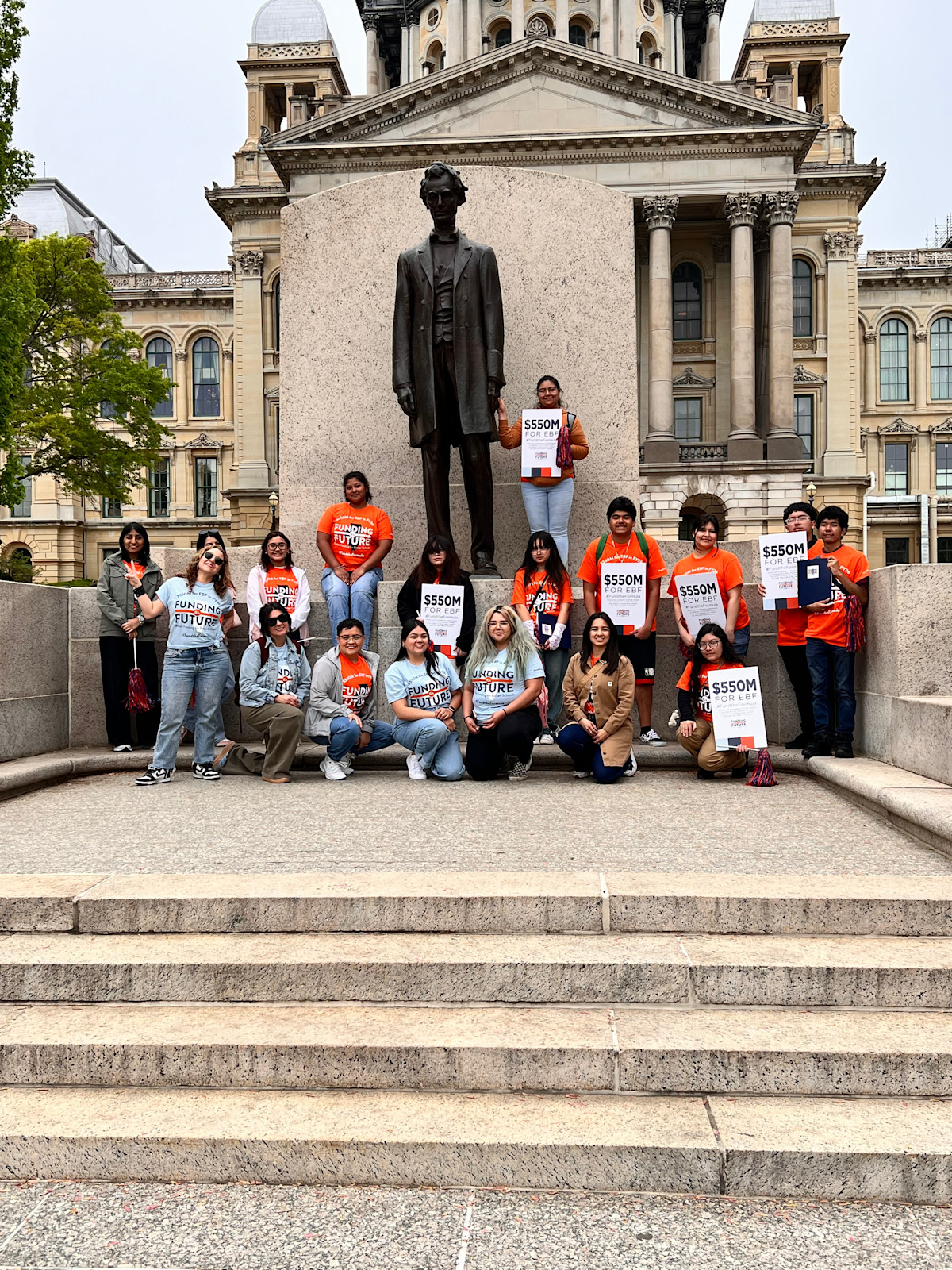 Teachers as Advocates: Defending Public EducationEducators are increasingly stepping into advocacy roles to protect student rights and public education funding amid shifting policy landscapes and declining safeguards.📰 Full edition: 25-31 January 2026
 Learning Starts with Nutrition: Feed the Children Observes International Day of EducationNutrition is a critical barrier to learning; school meals significantly improve attendance and academic performance.
- International Day of Education highlights that nutrition is essential for learning, as hunger and poverty continue to block millions of children worldwide from accessing quality education.
- Hunger is a major but solvable barrier to education; nutritious school meals improve attendance, concentration and academic performance.
- Feed the Children supports students by providing food, essentials, and educational resources that help children stay focused and engaged in school.
- In the past year, the organization supported 600 schools, delivered over 549,000 meals through U.S. programs, and provided millions of meals globally.
- By combining nutrition, education support, and family stability, Feed the Children helps reduce dropout risks and creates stronger pathways for children's success.
 Why Teachers Need Recovery, Not More ResilienceTeacher burnout is a systemic issue requiring recovery time and better conditions rather than just individual resilience.
- Teacher burnout is a systemic issue, not a personal failure, and current solutions wrongly focus on individual resilience instead of fixing broken conditions in schools.
- Sustainable teaching requires recovery, clear priorities, trust, and shared purpose, similar to how high-performing teams in sports and the military operate.
- Constant pressure and nonstop demands exhaust teachers, while built-in recovery time and realistic expectations improve performance and well-being.
- School leaders play a key role by protecting attention, setting boundaries, reducing unnecessary demands, and modeling calm, present leadership.
- When schools support teacher recovery and healthy work rhythms, classrooms become more engaging, creative, and meaningful for both teachers and students.
 'Not harmless games': Dubai parents alerted to risky student challengesAuthorities warn about dangerous physical behaviors among students, highlighting the importance of school-parent partnerships in prevention.
- Educators are encouraged to host awareness sessions on the medical dangers of viral physical challenges and peer pressure.
- Building strong parent-school partnerships is the most effective way to prevent student harm from risky online trends.
- Teachers can support honesty by understanding the developmental stages of lying and creating a safe environment for truth-telling.
- Supporting students through global crises involves modeling empathy and helping them process distressing news in a safe setting.
- Integrating parental control tools and screen time boundaries into school guidance helps families manage digital consumption.
 NI teachers' pay: Extra money to be spent on teachers payEducation Minister secured approval for extra funding to make new pay offer to teachers for 2025/26 school year.
- Education Minister secured approval for extra funding to make new pay offer to teachers for 2025/26 school year.
- Teachers' unions and school leaders welcomed the move with formal pay negotiations expected early in new year.
- Proposed pay increase could reach 4%, aimed at maintaining competitive teacher compensation with similar regions.
- Education system faces serious financial pressure with projected £267 million budget deficit creating ongoing challenges.
- Budget constraints may lead to higher family costs including increased school meal prices and music lesson fees from 2026.
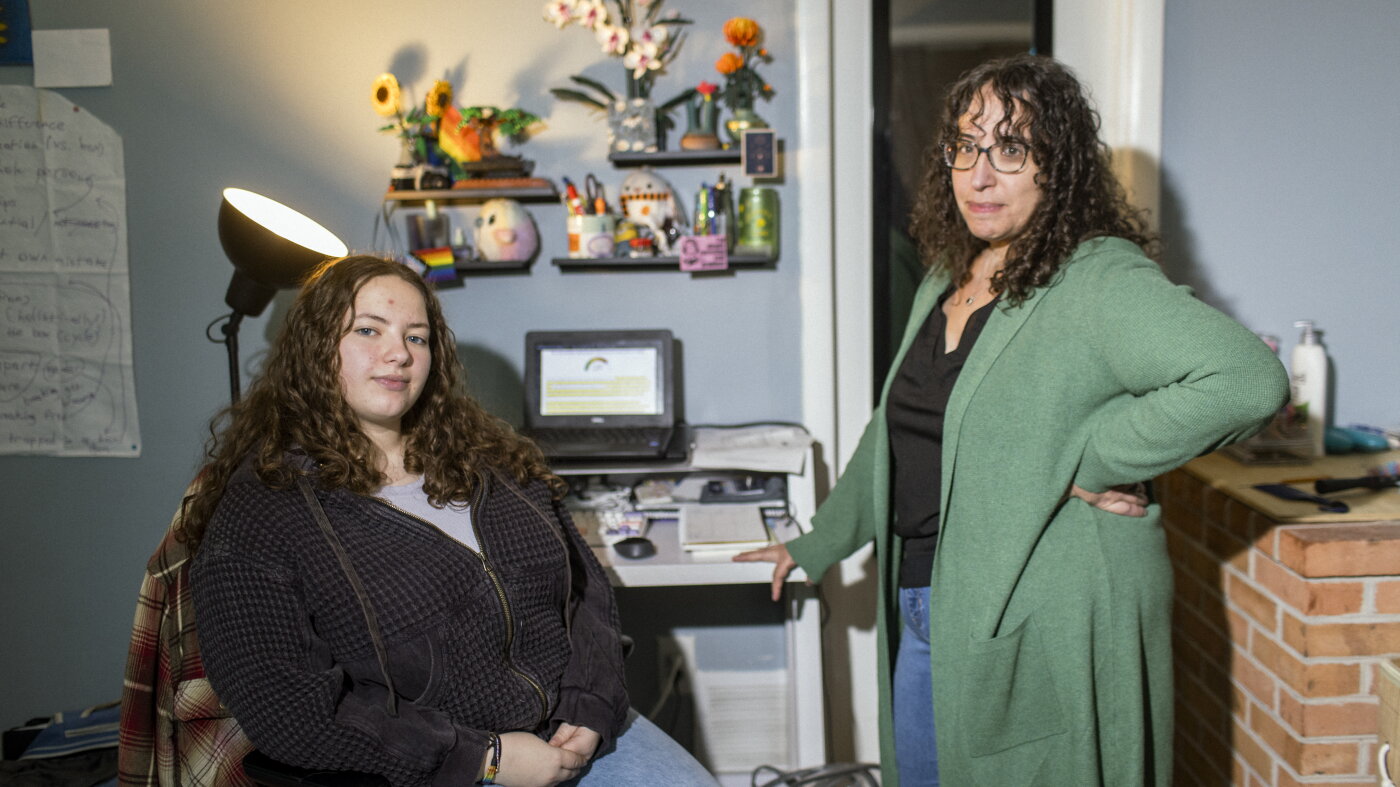 Teachers are using software to see if students used AI. What happens when it's wrong?School districts from Utah to Ohio to Alabama are spending thousands of dollars on these tools, despite research showing the technology is far from reliable.
- Many teachers use AI detection software despite tools being widely known as inaccurate and prone to false accusations.
- Students already face grade penalties and emotional distress due to incorrect AI flags on entirely original work.
- Research shows popular AI detectors misidentify human writing, especially affecting strong writers, non-native speakers, and Grammarly users.
- Despite reliability concerns, school districts spend large sums on detection tools while advising against sole reliance.
- Experts recommend AI detectors only start conversations, not determine punishment, focusing on adapted teaching methods instead.
 The teacher of the future toolkit in EcuadorUNESCO and Ecuador's Ministry of Education pilot a toolkit to strengthen teaching practices through learning networks and student-centred strategies.
- UNESCO and Ecuador's Ministry of Education launched the first roundtable of the "Teacher of the Future Toolkit" pilot, aimed at strengthening teaching practices.
- Ministry leaders highlighted Teachers' Learning Networks, which help educators regularly exchange classroom strategies and successful practices.
- UNESCO representatives emphasized global challenges in elevating the teaching profession and the essential role teachers play in protecting the right to education.
- Experts discussed core teaching skills, focusing on Project-Based Learning and the use of play as powerful, student-centred learning strategies.
- The event gathered 270 teachers who actively shared insights, reinforcing the importance of playful, participatory, and project-based classroom approaches.
 Teaching students with Special Education Needs: Takeaways from TALIS 2024Data from TALIS 2024 highlights the rising number of students with special education needs and the challenges teachers face in implementing inclusive practices.
- Classrooms are seeing a significant rise in students with formally identified special education needs, increasing demands on teachers.
- Many teachers do not feel confident implementing key inclusive practices, especially adapting assessments and understanding SEN policies.
- Participation in SEN-focused professional learning is growing, but notable gaps remain in access, quality, and alignment with teachers' actual needs.
- Digital tools and AI have potential to support personalised learning for students with SEN, but current use among teachers remains limited.
- Education systems must strengthen training and support to ensure every teacher can effectively include and meet the needs of all students with SEN.
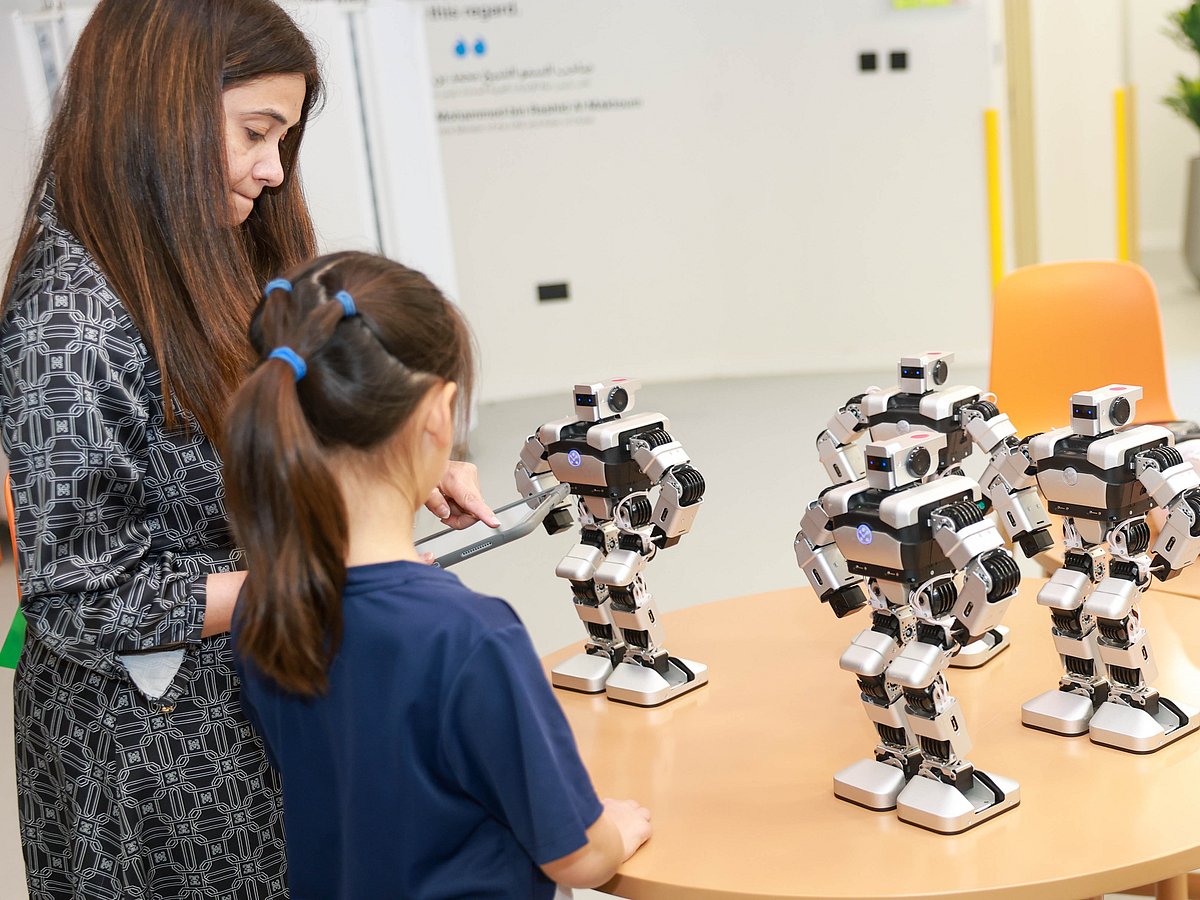 Video: Inside Dubai’s jaw-dropping $100m GEMS SRI school, dubbed the world’s finestAI labs, robotics, esports, performing arts and sports – shaping tomorrow’s leaders today.
- GEMS SRI invests $100 million to create a next-generation school that blends advanced technology, sports, and the arts under one roof.
- Students learn AI, robotics, e-sports, space science, drone tech, and coding directly from industry experts from global companies.
- The school develops creativity through professional-grade studios for filmmaking, podcasting, music, drama, and digital arts.
- World-class sports facilities and partnerships with elite coaches help students grow as athletes alongside academics.
- The curriculum pushes students to explore their strengths early, preparing them for top global universities and future careers.
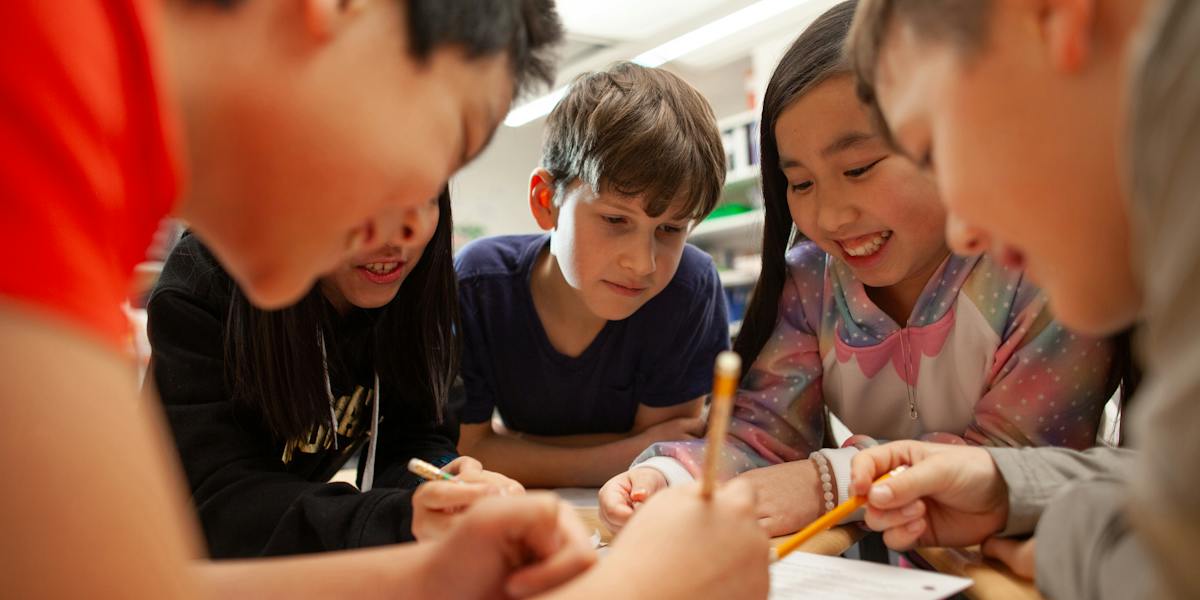 Best practices for empowering creativity in educationEducators adopt creative teaching methods that blend curriculum requirements with flexible, student-driven learning to build independence and collaboration.
- Teachers design their own lesson materials to better match student needs and experiment with innovative approaches.
- The study examines how mathematics teacher educators from different universities work together to design and use digital curriculum resources for training future teachers.
- Educators use digital tools such as storyboarding, annotation software, and multimedia builders to create teaching materials.
- Findings show that strong digital tools and clear group structures help educators collaborate more effectively, especially when institutions differ in resources and teaching contexts.
- Highlight the 12 core teaching principles that help teachers build strong relationships, promote collaboration, and guide students toward meaningful learning.
 12 Core Principles of Teaching: Every Educator Should KnowHighlight the 12 core teaching principles that help teachers build strong relationships, promote collaboration, and guide students toward meaningful learning.📰 Full edition: 10-16 November 2025
 Virginia teacher awarded 0m after being shot by studentA jury awarded a teacher 0 million in damages after a school administrator ignored warnings that a child had a gun.📰 Full edition: 03-09 November 2025
 Emerging Trends in Elementary School Teaching: A Snapshot of 2025Elementary classrooms are adopting social-emotional learning, technology integration, and project-based approaches.📰 Full edition: 03-09 November 2025
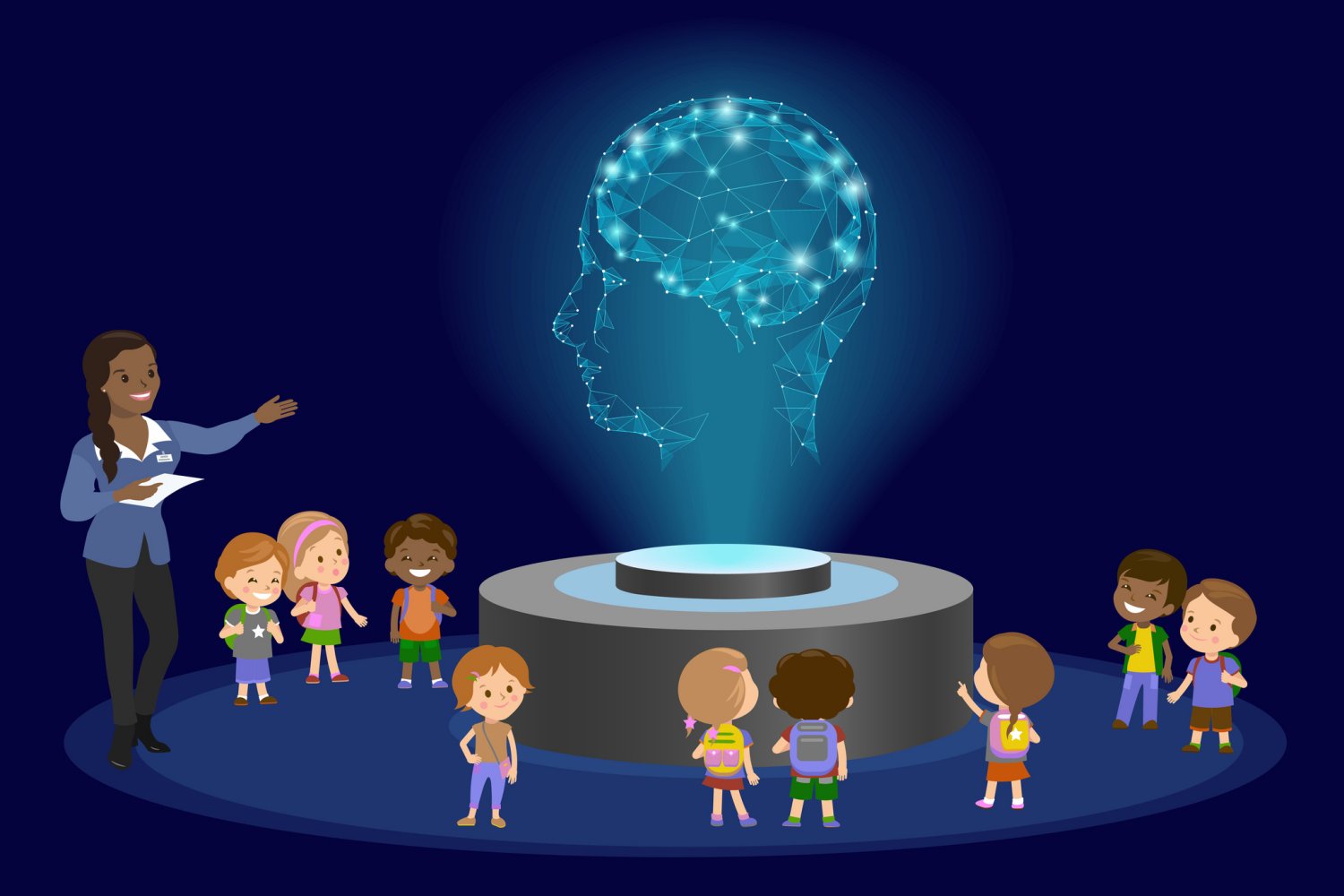 Helping K-12 schools navigate the complex world of AIMIT's Teaching Systems Lab offers a new guidebook to help schools integrate AI responsibly while protecting learning goals.📰 Full edition: 03-09 November 2025
 Teaching: Are tech-heavy classes stressing students out?Some wonder whether it's possible to dial back technology to encourage deeper learning.
- Some professors argue that heavy use of learning technology increases student anxiety and turns learning into a constant checklist.
- Pamela Scully at Emory University promotes slow teaching, using minimal technology to encourage deeper reading, and handwritten notes.
- Students often rely on digital notifications rather than planning ahead, leading to last-minute work and more stress.
- More educators show interest in reducing tech due to issues like AI cheating, distraction, and declining reading and writing habits.
- Fully removing technology is challenging because some students need accessibility tools and many classes rely on digital materials.
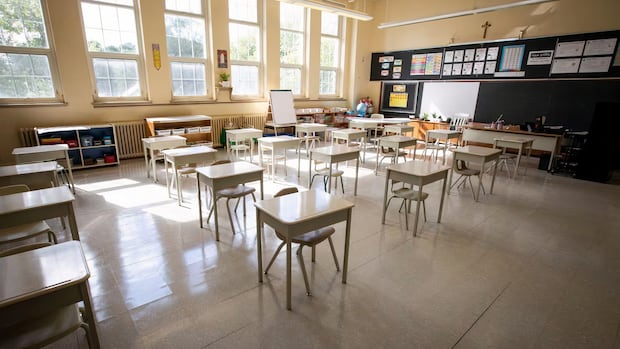 Alberta teachers and students prepare for a return to school after three-week strikeSchool boards across the province are notifying parents that school will resume on Wednesday, after the province passed back-to-work legislation early Tuesday morning.
- Alberta schools reopen Wednesday after the government passed back-to-work legislation ending a three-week teachers' strike.
- Over 51,000 teachers and 750,000 students return as school boards shift focus to restoring routine fast.
- Teachers rush to prepare lessons, expressing frustration over the province's handling of negotiations and lack of prep time.
- Parents worry about lost learning time and reduced student supports while helping kids readjust to school routines.
- Schools expect anxiety and learning gaps, and educators plan to prioritize reconnecting with students and reassessing their needs.
 ‘You just have to laugh’: five teachers on dealing with ‘six-seven’ in the classroomViral 'six-seven' meme disrupts UK classrooms. Teachers adapt by either ignoring or humorously engaging with the short-lived fad.📰 Full edition: 20-26 October 2025
 Cultivating teacher joy: Insights from outdoor learning experiencesStudy explores how outdoor learning environments enhance teacher well-being and foster joy through nature connection and flexibility.
- A study of PreK-12 teachers shows they experience joy through student growth, nature connection, teaching flexibility, and collaboration.
- Outdoor learning can enhance teacher retention and well-being, moving focus beyond stress reduction to professional happiness.
- AI will not replace teachers but will transform how teaching is done, allowing educators to focus on mentorship and creativity.
- Proper teacher preparation and professional development are essential to ensure AI is used thoughtfully in the classroom.
- Project-Based Learning (PBL) is transforming Indian classrooms by shifting from rote learning to real-world problem-solving.
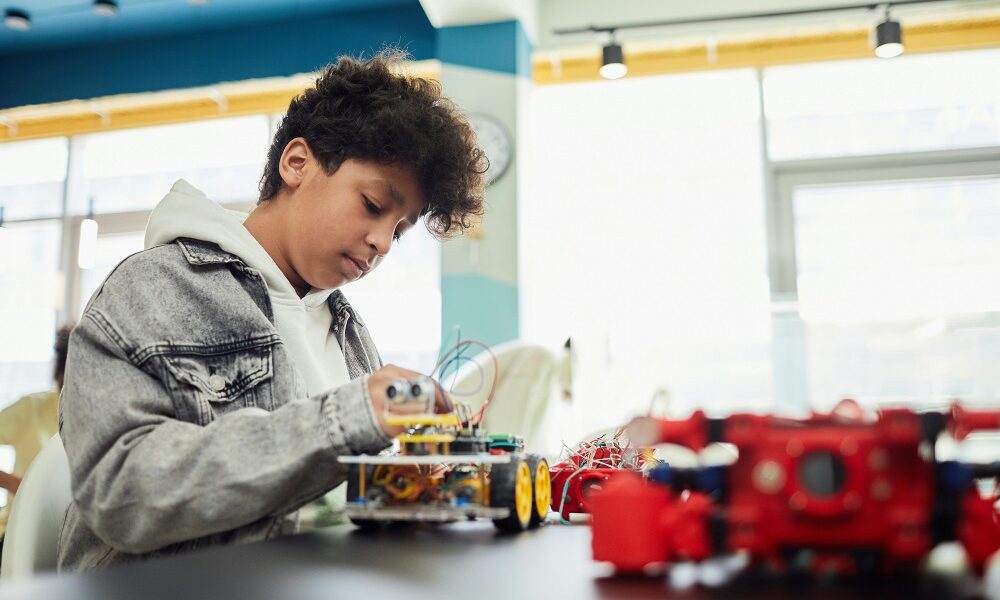 Beyond the Syllabus: School Teachers’ Insights on Project-Based LearningIndian educators share insights on how Project-Based Learning transforms classrooms through inquiry and real-world problem-solving.📰 Full edition: 13-19 October 2025
 Empowering teachers to optimise their use of learning technologiesOverview of UCL's Learning Designer platform, supporting global educators in creating effective technology-enhanced lessons.
- UCL's Learning Designer platform enables teachers to design technology enhanced lessons based on established educational frameworks.
- Free and globally accessible, this tool supports collaborative knowledge building across the education community in over 180 countries.
- AI is significantly reducing teacher workloads by assisting with lesson planning, report writing, and administrative tasks.
- Schools are cautiously adopting AI, with concerns remaining about plagiarism, accuracy, and pupils' over reliance on technology.
- Some schools are proactively teaching students how to use AI responsibly and encouraging staff to become more AI literate.
 Comment: Do we really know how to attract and retain teachers?Analysis of strategies to improve teacher recruitment and retention by addressing workload, pay, and well-being.📰 Full edition: 06-12 October 2025
 How bootstrapped Tapestry became a national favourite for teachersThe story of Tapestry, a digital journal platform that strengthens the connection between home and school.📰 Full edition: 06-12 October 2025
 AI: Schools in Wales 'excited but wary' as teacher workloads cutReport on the benefits and concerns regarding AI adoption in Welsh schools to reduce administrative burdens.
- National guidance and training are being called for to ensure AI is used safely, ethically, and effectively in education.
- Research into teacher recruitment highlights the importance of addressing workload, pay, and professional development opportunities.
- Retention strategies should focus on supporting teachers' well-being and creating stronger career growth pathways.
- Tapestry has grown into a comprehensive learning platform that strengthens home school connections through real time digital journals.
- The bootstrapped, mission driven platform prioritizes affordability and educator needs, serving over 14,000 schools and nurseries.
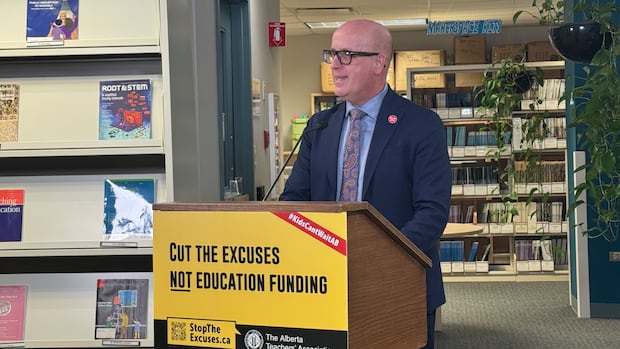 Alberta teacher strike likely as union members vote down tentative agreementAlberta teachers overwhelmingly rejected a tentative labor deal, setting the stage for what could be the largest teacher walkout in the province's history.
- The Alberta Teachers' Association, representing 51,000 teachers, saw 89.5% of members reject a tentative deal, setting a strike date of October 6.
- If it proceeds, the walkout would be the first fully provincewide teacher strike in Alberta's history, affecting over 700,000 students.
- Texas education officials received more than 350 complaints against teachers and staff over social media comments, leading to firings and suspensions.
- The wave of disciplinary actions has raised debate about the boundaries between teachers' personal speech and their professional roles.
- A five year pilot program in Maine trains teachers in three elementary schools to keep special education students in general classrooms.
 350+ teacher complaints as Texas schools continue disciplinary actions over Charlie Kirk postsTexas education officials are reviewing hundreds of complaints against teachers over social media posts, with several already fired or suspended.
- Research shows inclusive classrooms can improve attendance, communication skills, and reduce disruptive behavior for all students.
- Massachusetts' 2025 MCAS results show many districts still below pre pandemic achievement levels, especially in literacy and math.
- Education leaders are urging continued focus on chronic absenteeism and early literacy programs to help close post pandemic learning gaps.
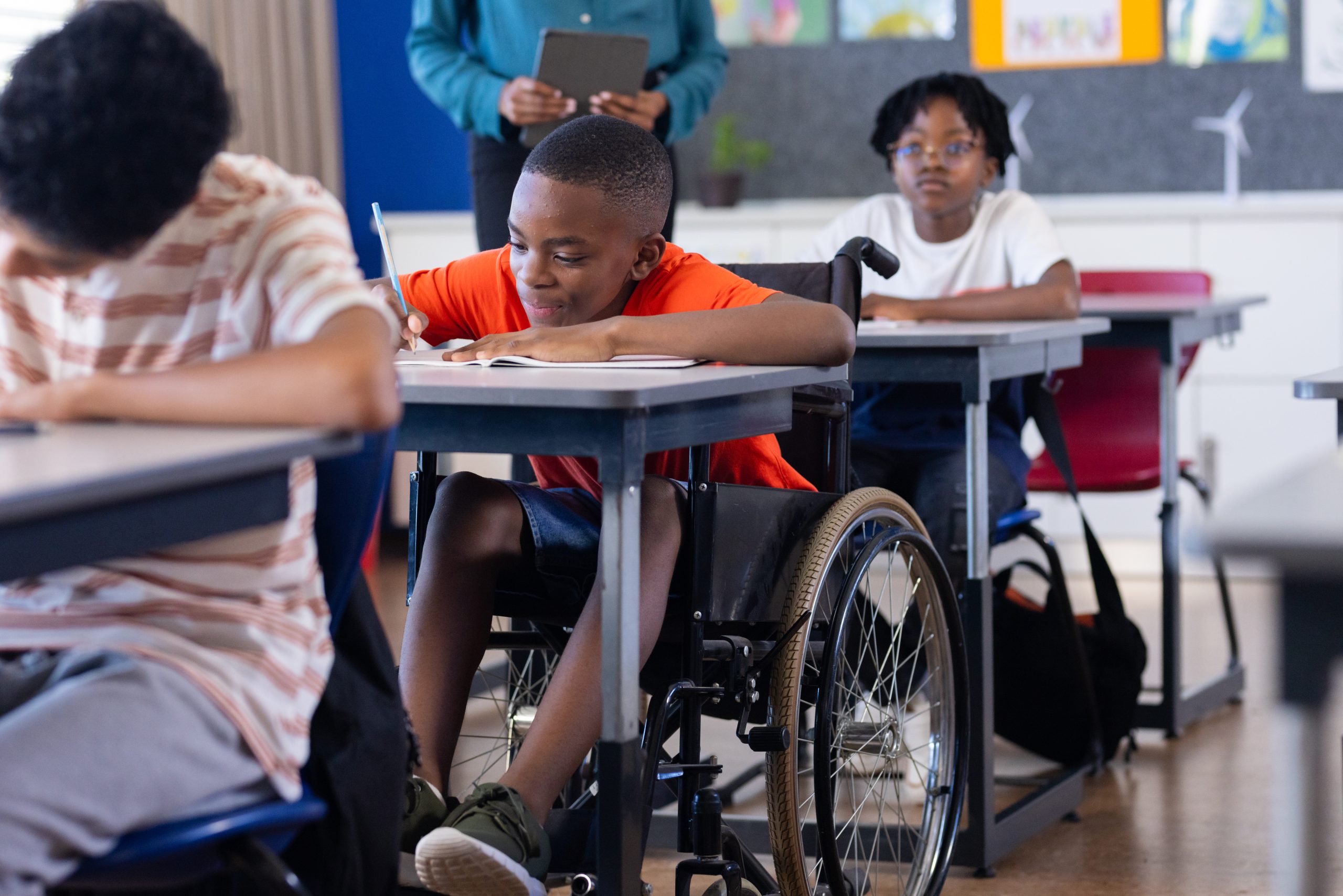 Maine pilot program aims to improve inclusive educationA five year pilot program trains teachers in three Maine elementary schools to keep special education students in general classrooms.📰 Full edition: 29 September - 05 October 2025
 MCAS scores show many students remain behind pre-pandemic levelsMassachusetts' 2025 state test results show continued post pandemic learning loss, with officials urging focus on attendance and early literacy.📰 Full edition: 29 September - 05 October 2025
 'TikTok Teacher' Wins Golden Apple AwardA veteran Spanish Immersion teacher known for connecting with students through TikTok was honored with Indianapolis' Golden Apple Award.📰 Full edition: 22-28 September 2025
 The Secret Behind This Brisbane School's Dramatic Drop In SuspensionsA student voice program at a Brisbane high school helped cut suspension rates from 30 percent to about 11 percent over several years.
- That figure sits below both the national average of 62 percent and Bristol's own pre pandemic rate of 65 percent from 2018-19.
- Education leaders point to the results as evidence that literacy recovery efforts need sustained attention beyond the immediate post pandemic years.
- In Indianapolis, veteran Spanish Immersion teacher Sita Camarasa won a Golden Apple Award for her 20 years of building classroom connection.
- Known as the 'TikTok Teacher,' she creates videos with students that colleagues say deepen engagement and even inspire some to pursue teaching.
- Together, these stories show schools balancing new technology, student wellbeing, and academic recovery while celebrating everyday teaching excellence.
 PowerSchool Breach A Wake-Up CallEducational data security faces a major test following a breach affecting teachers and students.📰 Full edition: 08-14 September 2025
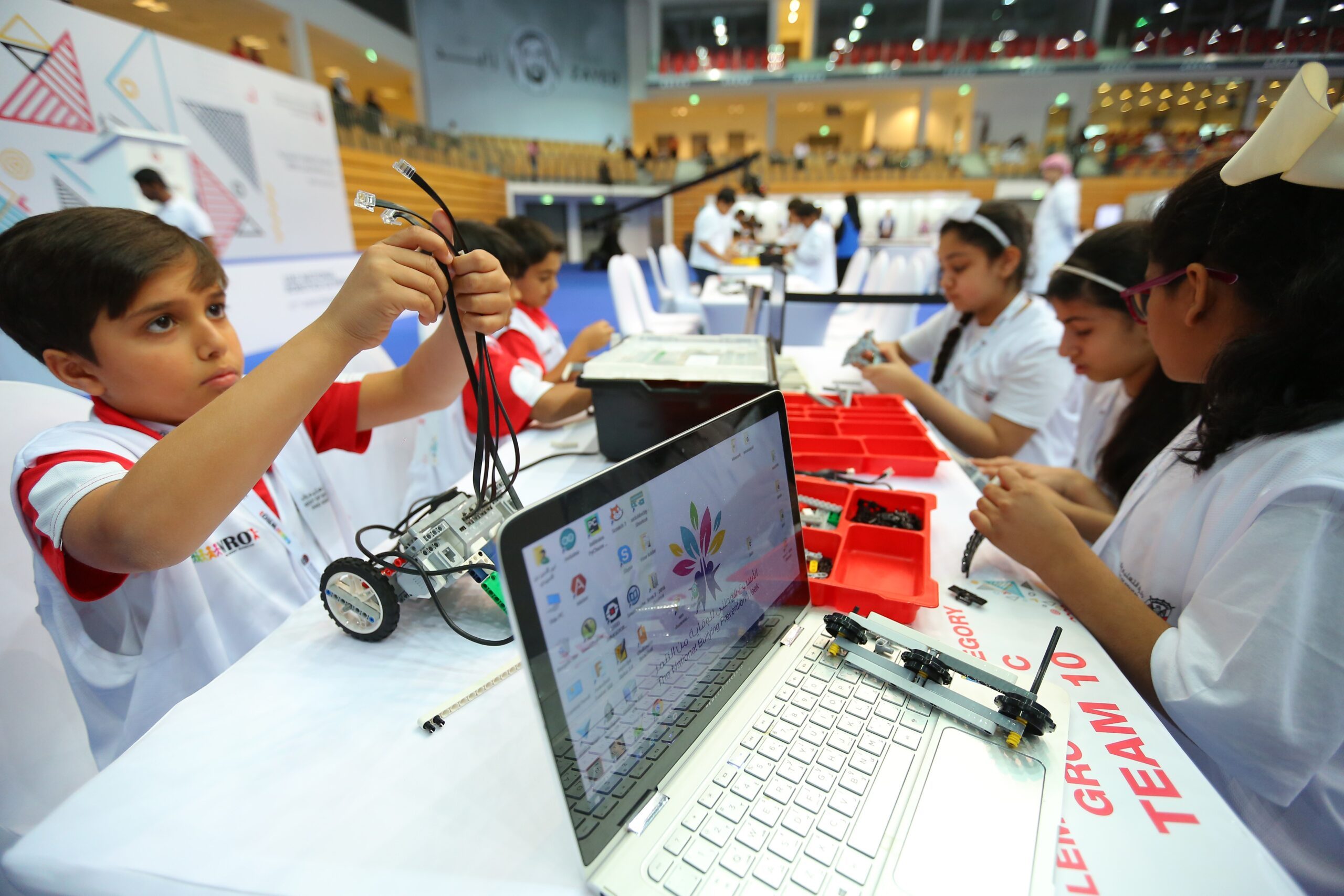 UAE schools roll out AI curriculum amid teacher shortageUAE schools are implementing a comprehensive AI curriculum to address educator shortages and prepare students for a tech-driven future.
- The UAE faces a projected need for 30,000 additional educators by 2030, driving investment in AI and school expansion.
- Adaptive learning platforms like Alef Education adjust to individual student needs, enhancing teaching support.
- Multi-modal AI interfaces allow students to engage through text, voice, and demonstrations, accommodating diverse styles.
- Blended care models utilize AI-powered digital coaches for continuous support, supervised by school counselors.
- Student-led platforms in the MENA region are upskilling young professionals in emerging technologies through social innovation.
 Harmony Kids Learning Center using new technology to kill germs in the classroomA daycare center implements UVC light technology.📰 Full edition: 18-24 August 2025
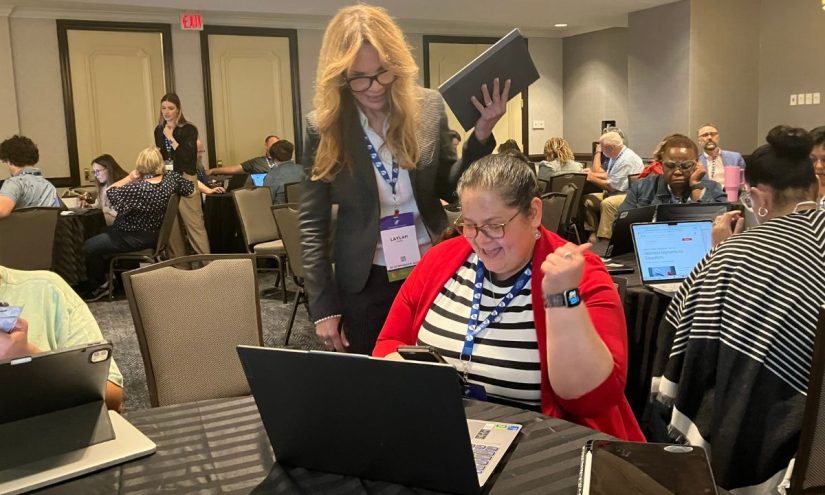
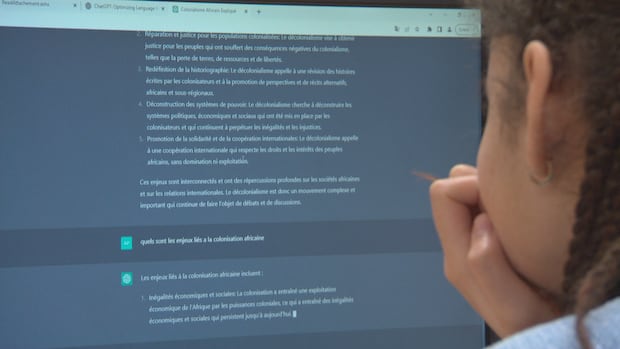 Teachers get AI training as classrooms adapt to new technologyCanadian school boards are rolling out training to help teachers understand and responsibly use AI tools in their classrooms.
- Canadian school boards are rolling out AI training to help teachers understand new tools and use them responsibly in classrooms.
- The training aims to build teacher confidence with AI while addressing concerns about accuracy, bias, and student overreliance.
- New Haven Public Schools drafted a new AI policy alongside a privacy protected AI tool for classroom use.
- The district's goal is to help students and teachers generate discussion questions, get feedback, and do research without enabling plagiarism.
- In Lawrence Township, students and teachers are adopting AI tools that are reshaping everyday classroom activities.
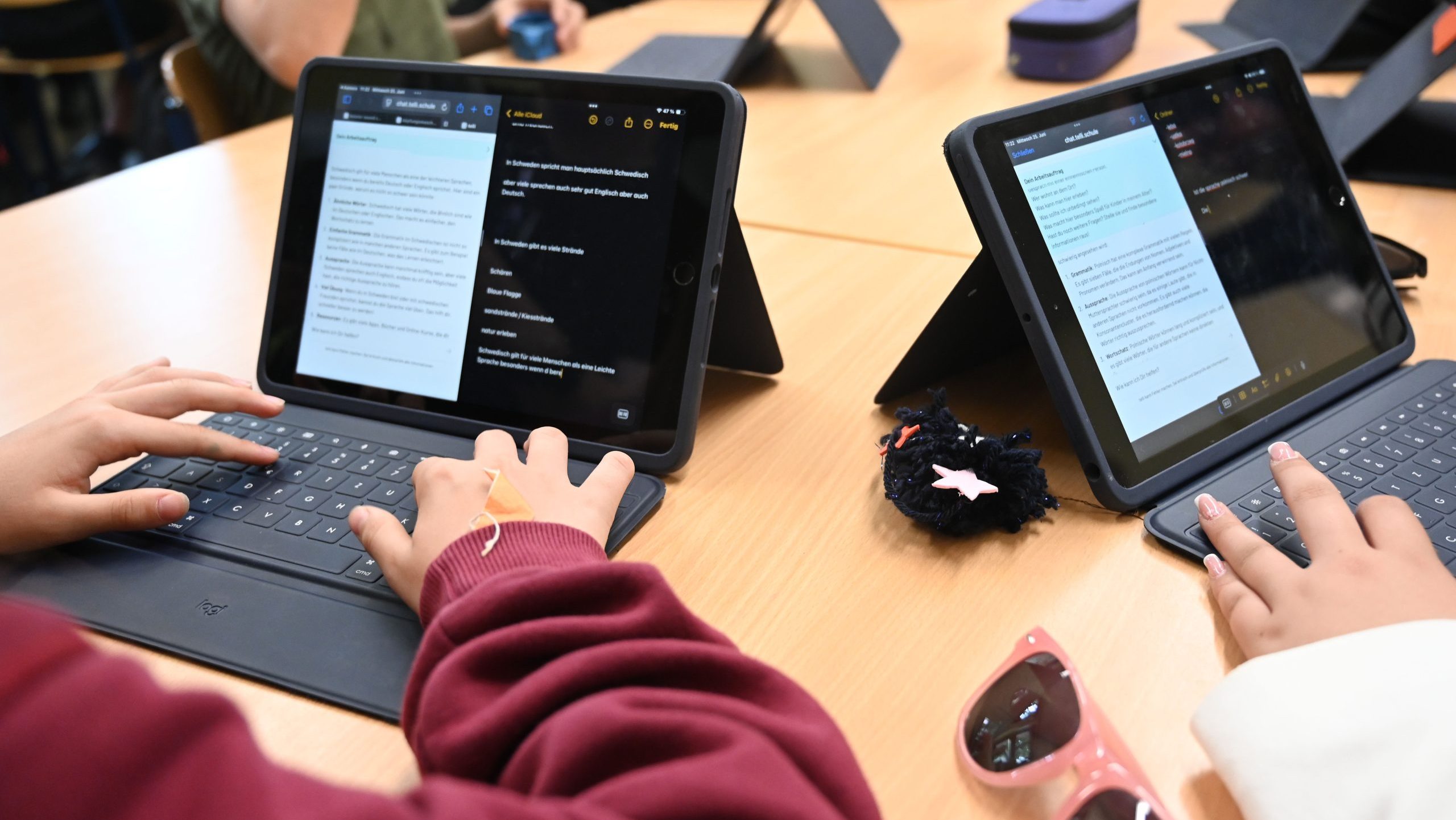 AI in education: Lawrence Township schools adopt AILawrence Township schools show how students and teachers are using AI tools in the classroom to support learning.📰 Full edition: 04-10 August 2025
 NHPS Drafts New AI PolicyNew Haven Public Schools drafted an AI policy and a privacy-protected AI tool to help students and teachers with discussion questions, feedback, and research without enabling plagiarism.
- Educators there report that AI is helping personalize learning while raising new questions about appropriate use.
- The American Federation of Teachers launched a national AI training academy aimed at modernizing teaching practices.
- Critics argue the academy amounts to a large-scale experiment that mainly benefits technology companies rather than classrooms.
 School district calls on teachers not to post personal wish listsA Tennessee school district asks teachers to stop posting classroom wish lists online, saying it creates a misleading impression.📰 Full edition: 28 July - 03 August 2025
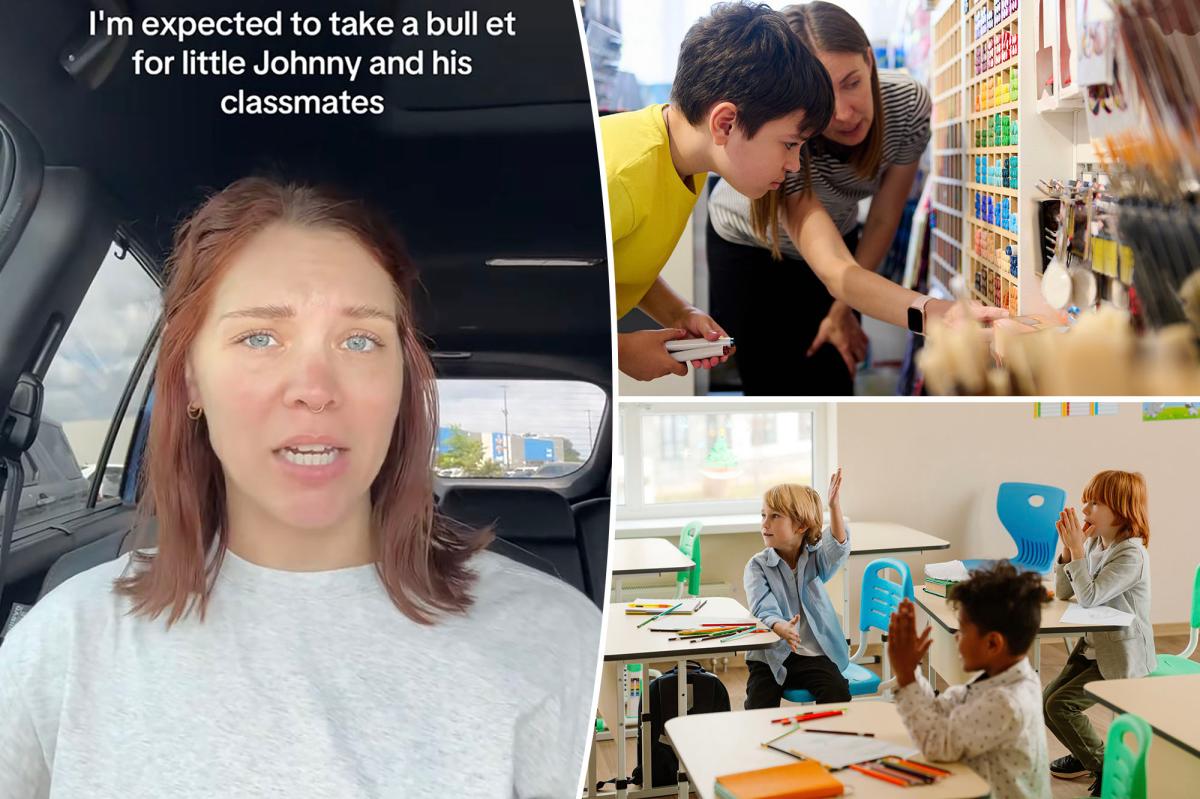 Teacher blasts parents in back to school debateA viral video reignites the debate over who should pay for classroom supplies amid tight school budgets and a teacher shortage.
- A viral TikTok from a teacher criticizing parents who will not buy classroom supplies has drawn over 1.4 million views and reignited a national debate.
- The debate comes as NYC educators report spending hundreds or even thousands of dollars of their own money to bridge school supply budget gaps.
- New York City Teaching Fellows say they have not received promised stipends of up to 4,500 dollars to cover summer living costs during training.
- Fellows described struggling to pay bus fare and rely on frozen dinners while completing a demanding seven week training program.
- A Tennessee school district has asked teachers to stop publicly posting Amazon wish lists tied to the district's name.
 Hamilton County Schools Foundation partners with Walmart for teacher school supply driveA local foundation partners with Walmart on a weekend supply drive so teachers can start the school year with free classroom materials.📰 Full edition: 28 July - 03 August 2025
 Drexel to Expand Teacher Residency Model in Philadelphia with Support From William Penn FoundationA $600,000 grant will help Drexel's School of Education train and certify 25 new teachers over three years to address Philadelphia's teacher shortage.📰 Full edition: 21-27 July 2025
 Integrating Technology in Math Classes to Boost Student AutonomyA high school teacher describes a six part daily routine that blends technology and structure to give students more ownership of their math learning.📰 Full edition: 14-20 July 2025
 Student Motivation and Learning: Teacher and Teen PerspectivesA survey of teachers and teenagers reveals gaps between what educators think demotivates students and what students actually say holds them back.
- A national survey of middle and high school teachers and teens finds that teachers point to digital distractions as the top barrier to learning.
- Students instead say lack of interest in topics and fear of getting bad grades are the biggest obstacles, revealing an important perception gap.
- OpenAI, Microsoft, and Anthropic have launched a $23 million partnership with a major teachers' union to train educators in using AI this fall.
- The new academy will teach teachers to use AI for lesson planning, writing reports, and reducing administrative workload.
- Critics note that AI companies have commercial motives, aiming to build lasting user habits among both teachers and students.
 Launching a PBL Initiative in Your SchoolA guide for school leaders on how to use limited time at the start of the year to successfully launch a project based learning initiative.📰 Full edition: 14-20 July 2025
 Trainee teacher payment hailed a 'game-changer' for workforceA new Commonwealth Prac Payment gives eligible trainee teachers weekly support during mandatory placements, easing a key barrier to the profession.
- A yearlong residency requirement taking effect in 2027 raises concerns about financial burdens on future teacher candidates.
- Nigeria's Teachers Registration Council urges newly inducted teachers to embrace digital tools to stay globally competitive.
- Officials stress that 21st century teachers must be tech-savvy, flexible, and innovative to engage students effectively.
 Virtual Simulations Help Future Teachers Build Social-Emotional SkillsMixed reality simulations let preservice teachers practice tough conversations with students and parents before entering real classrooms.
- Mixed reality simulations let preservice teachers interact with avatars playing parents and students to practice tough moments safely.
- These low stakes exercises help trainees build social emotional skills like collaboration and problem solving before real classrooms.
- A new Commonwealth Prac Payment gives eligible trainee teachers weekly financial support during mandatory professional placements.
- The payment removes a key barrier for students who must choose between paid work and completing unpaid school placements.
- Arkansas education leaders remain optimistic about the state's LEARNS Act despite new accountability measures for teacher programs.