
Last week's news
Round Up Starting 27 September 2026: Safer Screens, Big Feelings & AI Evidence
Welcome to this week's news, all summarised with amazing AI.
This week, research shows how much parents shape children's online safety, experts decode the feelings behind difficult behaviour, and schools face hard questions about AI tools that arrive before the evidence does.
👨👩👧 Parents News Summary
📱 Parents Make a Difference
A JAMA Network Open review found that parental monitoring of social media is largely effective at reducing harm.
🌙 Phone Free Bedtimes
Household rules that limit phones at night are linked with healthier social media use.
✅ Ask Before You Download
Simple rules, like no new apps without permission and no devices at dinner, give children clear boundaries.
🌋 Behaviour Is a Message
Lying, stealing and cursing often express feelings children cannot yet put into words.
🧒 Young Children and Truth
Children under five often mix up real and imagined, so many of their untruths are not deliberate lies.
💛 Respond to the Feeling
When parents address the emotion and not only the behaviour, the cycle of acting out can break.
🌱 Screens, Boundaries and the Feelings Behind Behaviour
 5 tips for parents worried about their kids' screen time and online safetyResearch shows parents have a big influence on keeping kids safe online, from clear device rules to phone free bedtimes.
- A growing body of research shows parents strongly influence how safely children use digital devices.
- A JAMA Network Open report found parental monitoring of social media habits is largely effective at minimising harm.
- Clear rules help, such as asking permission before downloading apps and setting time limits on certain apps.
- No devices at the dinner table and handing in phones at bedtime are linked with healthier habits.
- Parents can introduce devices gradually, starting with a shared family tablet before a personal phone.
 Why Kids Lie, Steal, and Curse, and What Parents Can DoBehind so called bad behaviour are intense feelings children cannot yet put into words. Responding to the feeling changes the behaviour.
- Psychology Today explains that lying, stealing and cursing usually carry a hidden emotional message.
- Children under five often blur real and imagined, so their untruths are not always deliberate lies.
- Children sometimes try to make adults feel what they feel as a way of expressing it.
- If only the behaviour gets attention, the child's feelings stay unheard and the behaviour repeats.
- Naming and validating the emotion helps children develop better ways to communicate.
🍎 Teachers News Summary
🔍 Evidence Gap
Only one of 10 vendors studied by EdReports showed third party evidence that its AI features improve learning.
🔄 Hidden Updates
Behind the scenes AI updates make it hard for schools to know whether a product still works as promised.
🧾 Contracts Tied to Results
Outcomes based contracting links edtech payments to real academic gains.
💬 Chatbots in Class
A Dayton district tested a social emotional chatbot named Jordan with students at an alternative school.
📚 Limited Research
Teachers use AI for lesson plans and feedback, yet research on what truly helps students remains very thin.
📋 Policy Lags Behind
Many schools experiment with AI before clear policies are in place to guide its use.
💻 AI in the Classroom: Promise Without Proof
 Study: EdTech Is Rushing AI Integration Before Proving It WorksOnly one of 10 curriculum and edtech vendors reviewed by EdReports showed third party evidence that its AI features improve learning.
- A new EdReports brief reviewed how 10 curriculum and edtech providers are adding AI to instructional materials.
- Only one vendor included third party evidence that its AI features improved student outcomes.
- Experts say behind the scenes AI updates make it difficult for schools to verify product quality.
- The market is growing quickly and becoming crowded and confusing for district buyers.
- Outcomes based contracts are one way districts can tie edtech spending to real learning gains.
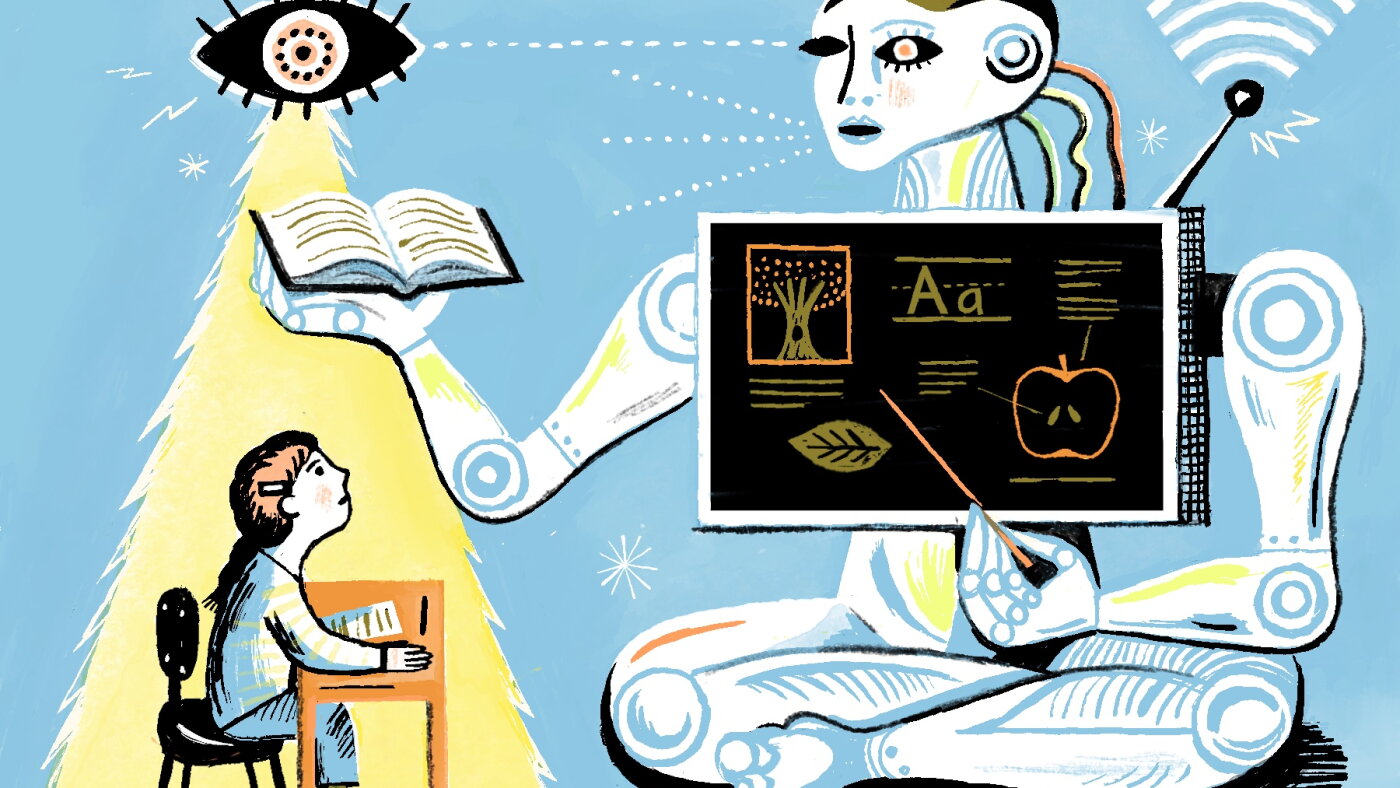 Schools are experimenting with AI with little evidence or policy to guide themTeachers use AI for lesson plans and some districts use chatbots for student feedback, while research on what helps remains very limited.
- NPR reports that teachers increasingly use AI to build lesson plans and some districts use chatbots for feedback.
- Dayton Public Schools paid $72,600 for AI tools, including a social emotional chatbot called Jordan.
- Some students formed strong relationships with the chatbot, raising questions about boundaries.
- Research on how AI helps students learn is still extremely limited.
- Many schools are experimenting before clear policies exist, so careful review and evaluation are essential.
✨ Extra Pearls
For Parents
- Agree on a family device plan with clear times and places for screens.
- Keep phones out of bedrooms overnight.
- Introduce devices step by step as children show responsibility.
- Look for the feeling behind challenging behaviour before reacting.
- Help children name emotions so they can use words instead of actions.
For Teachers
- Ask vendors for independent evidence before adopting AI features.
- Check whether you can review AI content before students see it.
- Pilot new tools with a small group and measure the results.
- Share clear classroom guidelines on when AI may be used.
- Watch for students forming emotional attachments to chatbots.
Remember: clear boundaries and real evidence protect children, at home and in the classroom.
Thank You for Reading!
🤔 Ask Questions
Use this week's stories to start thoughtful conversations.
📚 Share Knowledge
Invite children to explain one discovery in their own words.
Check back next week for more conversations from the news.
💌 We Value Your Feedback!
How can we improve our insights? We are constantly working to enhance our coverage. Your input helps us deliver more relevant and valuable information.
💡 Suggest Topics
What should we investigate next?
🎨 Share an Activity
Tell us how you used the news at home or school.