
📵 Screens and Technology
 Science backed guidance for healthy screen timeA Finnish study linked some screen time with brain growth in young people, with caveats. NPR sorts out what to actually worry about.
- NPR's Short Wave spoke with the author of a Finnish study that found a positive link between some screen time and brain development.
- The researchers stress there are important caveats, so the finding is not a green light for unlimited use.
- The episode separates real concerns, like endless scrolling, from worries that are less supported by evidence.
- Existing guidelines can help families decide what healthy use looks like for each age.
- The key message is to focus on what children do on screens, not only on the clock.
 Social media is harmful for children, but the way they use it matters, study showsA review covering more than 9 million young people finds the risks of digital media depend on how, why and what children use it for.
- A major review in eClinicalMedicine combined 121 systematic reviews covering more than 9 million young people.
- More than three quarters of the links it found were negative, but some benefits also appeared.
- Educational content, active gaming and some social digital activities showed potential benefits.
- For young children, more overall screen time was linked with poorer emotional and thinking outcomes and shorter sleep.
- Watching with a caregiver was linked with better language, while fast paced content was linked with poorer outcomes.
 5 tips for parents worried about their kids' screen time and online safetyResearch shows parents have a big influence on keeping kids safe online, from clear device rules to phone free bedtimes.
- A growing body of research shows parents strongly influence how safely children use digital devices.
- A JAMA Network Open report found parental monitoring of social media habits is largely effective at minimising harm.
- Clear rules help, such as asking permission before downloading apps and setting time limits on certain apps.
- No devices at the dinner table and handing in phones at bedtime are linked with healthier habits.
- Parents can introduce devices gradually, starting with a shared family tablet before a personal phone.
 Today's Kindergartners Have Never Known a World Without ScreensSchool readiness is built through talking, reading and responsive interaction, not screen time.
- The piece argues that today's kindergartners have grown up in a world where screens are a constant presence from birth.
- It highlights that school readiness is built through talking, reading, and responsive back and forth interaction, not screen time.
- The author is explicit that technology itself is not the problem; the concern is screens becoming the default mode of connection.
- Pediatric visits are suggested as a practical entry point for encouraging reading and interactive habits starting in infancy.
- The article is a useful talking point for parents and early educators weighing screen use in the earliest years.
 The Real Reason Teens Tell You Everything In The CarSide by side seating, no screens and no eye contact make the car the one place many teens finally open up to a parent.
- The car is one of the few places many teens feel comfortable opening up to a parent.
- Side by side seating reduces the social pressure of direct eye contact during conversation.
- The absence of screens during car rides creates a natural opening for meaningful sharing.
- Teens report discussing friend drama, crushes, and school stress specifically during car rides.
- The pattern is not universal: parents are advised not to force conversation if a teen is not inclined to talk.
 Mommy, Do You Love Your Phone More Than Me?New research links parental phone distraction to anxious and avoidant attachment in teens; intentional phone free presence at key moments matters more than time logged.
- Adolescents who perceive their caregiver's phone use as a problem are significantly more likely to show anxious or avoidant attachment patterns, according to new research analysed by Karen E. Dill Shackleford Ph.D.
- Teens who felt their parent was frequently distracted by a device reported feeling less secure and less able to rely on that parent when they needed to talk about something important.
- The underlying study, published in Frontiers in Psychology, surveyed 600 U.S. teenagers aged 12 to 17 and found device related distraction predicted both anxious and avoidant attachment.
- Secure attachment formed in adolescence is a strong predictor of long term mental health, relationship quality, and emotional resilience.
- The practical implication is clear: intentional, phone free presence during key moments, mealtimes, school pick up, bedtime, matters more than overall time logged.
 Responsible Sharenting: Think Before You PostBy age 13, the average child has over 1,300 photos posted online, creating a digital footprint they had no say in building.
- The majority of parents practise "sharenting", sharing photos and details about children online often before children can consent.
- By age 13, the average child has over 1,300 photos posted online, creating a digital footprint they had no say in building.
- Risks include identity theft, digital kidnapping, misuse of images by strangers, and long-term psychological harm to the child.
- Teenagers consistently report that sharenting feels embarrassing and violating, parents should start conversations with children about preferences early.
- Apply the same privacy standards to your child's image and information online as you would want applied to your own.
 Meta's new tools allow parents to better supervise their kids' social media accounts. Will they work?Meta's updated supervision features give parents more oversight, but success depends on children's willingness to consent and open conversations about online safety.
- Meta has introduced updated supervision features designed to give parents and educators more oversight regarding how children interact with social media platforms.
- The effectiveness of these tools depends on a collaborative relationship where children must consent to being monitored by their guardians.
- Research suggests that technical controls are most successful when they are integrated into broader household discussions about digital literacy and safety.
- These updates are particularly relevant for middle school and high school students who are navigating the social pressures and risks of online environments.
- Parents and teachers should focus on fostering open communication about internet habits rather than relying solely on software to manage behavioral outcomes.
 Three implementation lessons from a digital parenting interventionA digital version of Jamaica's Irie Homes Toolbox improved non-violent discipline and parenting confidence for over 1,100 caregivers.
- Violence against children is widespread globally; positive parenting programs using non-violent discipline can reduce harsh punishment and improve child development.
- A digital version of the Irie Homes Toolbox, using SMS tips, app videos, and online group sessions was tested with 1,100+ caregivers of children aged 2 to 6 in Jamaica.
- Results were positive: parents showed improved attitudes toward non-violent discipline, reduced violent punishment, and greater confidence, with effects lasting up to 9 months.
- Despite being free, only about 10% of participants used the mobile app, proving that accessibility alone does not guarantee technology adoption.
- Measuring violence and collecting biological stress data proved difficult, highlighting the need for better evaluation tools in digital social programs.
 From deepfakes to grooming: UN warns of escalating AI threats to childrenThe UN calls for urgent measures to protect children from AI-generated threats including grooming, deepfakes, and cyberbullying as technology-facilitated abuse cases surge.
- The UN warns that AI is rapidly increasing online risks to children, including grooming, deepfakes, cyberbullying, and exposure to harmful content.
- Predators are using AI to analyze children's behavior and emotions, while fake explicit images are driving new forms of sexual extortion.
- Reported technology-facilitated child abuse cases have surged dramatically, showing the scale and urgency of the problem.
- Sweden plans a nationwide ban on mobile phones in all primary schools starting August 1 to improve learning, focus, and mental health.
- Modern parenting often feels like navigating uncharted waters, with pressures from daily life and distressing news cycles leading to shared burnout.
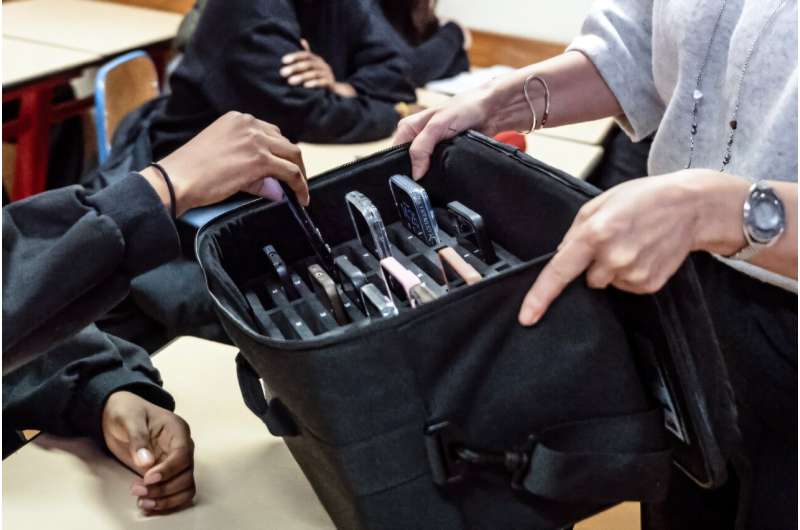 Sweden Plans To Ban Mobile Phones In All Primary SchoolsSweden is set to implement a nationwide ban on mobile phones in primary schools starting August 2026 to improve focus, learning outcomes, and children's mental health.
- The 'Fafo parenting' trend promotes children experiencing natural consequences for their actions to build independence and resilience.
 YouTube now has a way for parents to block kids from watching ShortsNew tools allow parents to manage YouTube Shorts viewing time or block them entirely to set healthy screen time boundaries.
- Parenting through violent news requires balancing emotional reassurance for children with navigating personal grief and raising empathetic citizens.
- Dubai authorities warn of dangerous physical challenges like choking, urging schools and parents to work together on prevention and education.
- Health officials stress that risky online trends can lead to severe medical consequences, making early recognition of warning signs critical.
- Lying is a natural part of development that increases with cognitive skills; responding with understanding helps children learn the value of honesty.
- Different ages require distinct strategies: younger children need calm guidance between imagination and reality, while older kids need respect for their independence.
 Want less screen-obsessed kids? Set better tech boundaries for yourselfFor kids to have healthy relationships with technology, parents need to model good habits by managing their own screen time.
- Parents influence their children's screen habits, so they should reduce their own device use and model healthy behavior.
- Today's pressure to give kids every advantage makes parenting expensive and exhausting.
- Parents feeling anxious about climate change show more controlling and inconsistent parenting patterns.
- Early gut bacteria in the first days of life play a major role in shaping lifelong immunity and health.
- Setting boundaries on college-related conversations helps reduce stress and protects relationships with teens.
 5 phone safety tips every parent should knowMaster essential parental controls and digital safety tools to protect your kids online. Learn screen time limits, location settings and privacy controls every parent needs.
- Highlight the importance of setting screen time limits to protect kids' sleep, focus, and balance between online and offline life.
- Use built-in parental controls on phones and apps to guide what children can access and prevent inappropriate content.
- Manage geolocation settings to protect children's privacy while still allowing safe family location sharing.
- Disable or monitor private browsing features and encourage open conversations about responsible online behavior.
- Teach kids to protect their digital footprint since posts and activity can impact future opportunities.
 AI Is Changing Parenting, Fairytale Genie Lets Kids Become the Hero of Their Own Story, Now as a Personalized Printed BookFairytale Genie uses AI to create personalized kids' stories, now available as printed books, just in time for holiday gifting.
- Fairytale Genie uses generative AI to help kids co-create customized stories where they become the hero.
- The platform supports creativity by letting children choose characters, settings, and moral lessons tied to their development.
- Parents and kids collaborate during story creation, turning bedtime into a shared, interactive experience.
- Newly launched printed softcover books turn digital stories into personalized keepsakes and gift options.
- DevOpser positions the platform as a way to encourage literacy, confidence, and positive family engagement with technology.
 What parents need to know about AI in the classroomGuidance for parents on the integration of AI tools in education and how to stay engaged with school policies.📰 Full edition: 06-12 October 2025
 More parents are turning to AI for advice. Here are common mistakes to avoid.Report on the growing number of parents using ChatGPT for health, education, and behavior questions, and the risks of over relying on AI advice.
- Prioritizing real life relationships and in person connection helps children's brains 'synchronise' and build lasting wellbeing.
- Psychologist Jean Twenge's new book offers clear rules for setting screen boundaries, informed by her decade of research on teens and technology.
- Twenge's research links rising phone and social media use to increased teen loneliness and depression symptoms since the early 2010s.
- A pediatrician argues that neighborhood, peer groups, and community matter more than perfect parenting in shaping long term outcomes.
- Parents are encouraged to focus less on controlling every detail and more on choosing supportive environments and communities for their children.
 New book explores how to raise kids in a high-tech worldPsychologist Jean Twenge discusses her book on setting healthy boundaries for children growing up with phones and social media.📰 Full edition: 29 September - 05 October 2025
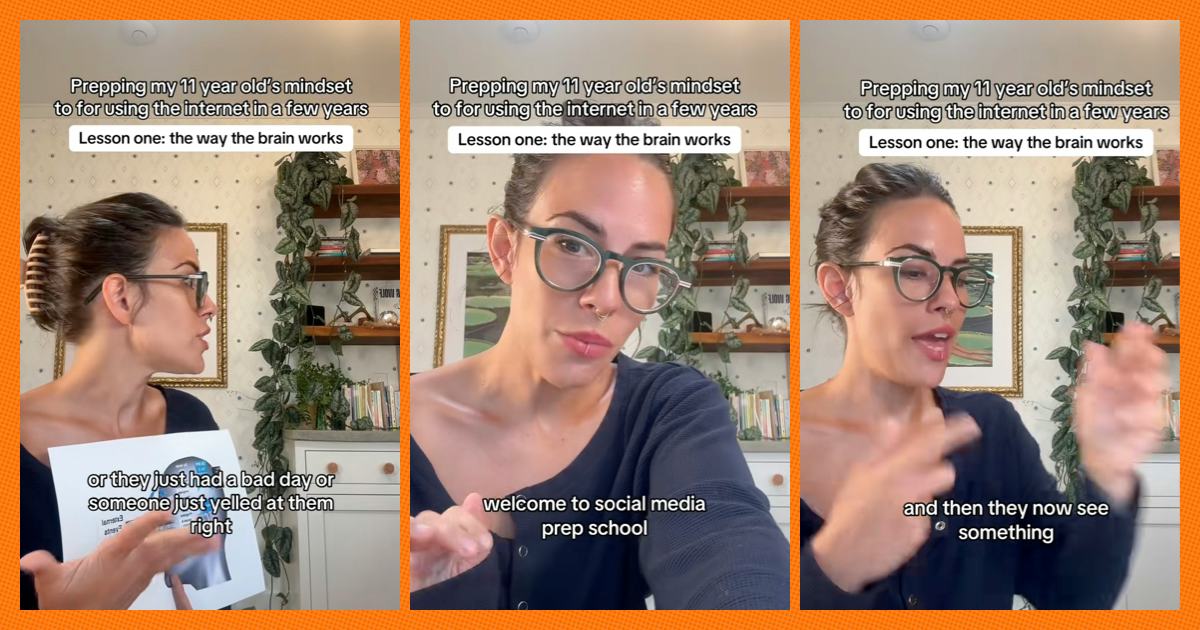
 This Mom Started 'Social Media Prep School' With Her TweenA mother's viral lessons teach her tween how the brain reacts to online comments before handing over a first phone.
- Parents are encouraged to manage their own stress about routines and homework so children can 'co-regulate' by mirroring a calmer adult response.
- A major review published in The Lancet Child & Adolescent Health links childhood exposure to phthalates, bisphenols, and PFAS with long term health risks.
- NYU Langone researchers found these plastic related chemicals associated with obesity, infertility, asthma, and heart disease later in life.
- The study's lead author urges limiting children's exposure to plastic household items as a way to protect their long term health.
- Taken together, this week's stories point to small daily choices, in words, screen habits, and household items, that shape children's wellbeing over time.
 How do we align the business of GenAI with educational goals?Exploring the tension between commercial AI development and the fundamental needs of learners and educators.
- Commercial AI goals like monetization and scale often conflict with the slow, deliberate processes required for deep learning.
- An over-reliance on AI outputs can erode critical thinking skills if students prioritize results over the journey of discovery.
- Educational leaders must advocate for technology that supports, rather than replaces, the cognitive struggle necessary for growth.
- The rapid deployment of AI in schools requires new frameworks that prioritize pedagogical value over efficiency metrics.
- Ensuring that AI tools are accessible and equitable is vital to prevent widening the digital divide between students.
 Young people are social innovators – here's how they thriveYoung innovators are using technology and digital currency to reward community engagement and solve social problems.📰 Full edition: 25-31 August 2025
 How emerging technologies can advance food quality traceability and prevent wasteAI and IoT are being used to track food quality and reduce waste in the global food supply chain.📰 Full edition: 25-31 August 2025
 College Students Have Already Changed ForeverMembers of the class of 2026 have had access to AI since they were freshmen, and almost all of them are using it for their academic work as a daily habit.
- The Atlantic reports that 92% of U.S. undergraduates are now using generative AI tools for academic work.
- Students increasingly view AI as a necessary productivity tool to manage workloads and prepare for careers.
- There is growing concern about AI-generated deepfake videos and false narratives spreading on social platforms.
- Reuters revealed internal Meta documents showing chatbots were permitted to engage in provocative conversations with children.
- Both native and non-native English speakers report that their ability to write, speak, and conduct inquiry is slipping away due to AI reliance.
 We are gen Z – and AI is our future. Will that be good or bad?A panel of young voices explores the hope and worry surrounding AI, particularly its role in spreading misinformation and blurring the line between reality and fiction.
- AI could help address the projected global shortage of 11 million healthcare workers by 2030 through enhanced training and diagnostics.
 Meta’s AI rules have let bots hold ‘sensual’ chats with childrenInternal Meta documents reveal policies that permitted chatbots to engage in provocative behavior and romantic roleplay with children, sparking urgent calls for ethical oversight.📰 Full edition: 11-17 August 2025
 Screen time may pose risks to youth heart health, study findsNew research links high screen time in children and teens to measurable risks for heart health, not just mental wellbeing.📰 Full edition: 04-10 August 2025
 Children in Wales using screens for more than seven hours a dayA survey by the children's commissioner for Wales finds one in five children spend at least seven hours a day on phones and tablets.
- Designers in Cornwall built a 'serious' video game to help young people process bereavement, poverty, and other adverse experiences through play.
- The game is part of a wider £35 million programme exploring young people's mental health using arts based methods, including gaming.
- A growing number of parents are intentionally letting kids get bored this summer instead of filling every hour with camps and activities.
- Child psychologists say unstructured time has nearly disappeared over the past 30 years, replaced by constant stimulation and scheduled activities.
- Experts say allowing children to sit with boredom helps them build creativity, self direction, and resilience that overscheduling can crowd out.
 First graders who use more educational media spend more time readingA new Ohio State study finds higher use of educational media is linked to more time spent reading and less overall screen time, not less reading.📰 Full edition: 21-27 July 2025
 Making sure your kids skip the 'summer slide'Experts explain how screens can replace reading during break and offer tips to keep children learning through the summer.
- Daily one on one connection time helps children learn to navigate boredom independently instead of relying on constant entertainment.
- Reading interactively with new readers nurtures emotional intelligence in ways that excessive screen time cannot replace.
- Excessive screen time can erode reasoning, creativity, and emotional intelligence, especially in children just learning to read.
- Establishing clear, simple rules and calm explanations helps stubborn children understand expectations and consequences.
- Consistency in enforcing boundaries, rather than harshness, builds trust and cooperation with strong willed children.