
Round Up Starting 13 September 2026: Family, Learning & Digital Life Weekly
Welcome to this week's news, all summarised with amazing AI.
Modern parenting requires new strategies to help children thrive in an increasingly digital world while developing essential life skills, values, and digital literacy.
👨👩👧 Parents News Summary
🌱 Growing Up: New Freedoms!
As kids get to be middle school age, they don't always need to be right next to you. They just need to know you are there! Grown ups and kids are changing a lot.
🧭 Parent Power: Your Child!
Grown ups need to share their ideas about working hard, trying your best, and being a good friend. When grown ups feel sure of themselves, kids do better too!
⚖️ Parent Needs Meet Child!
It's okay to have your own needs while understanding a child's feelings. Grown up needs and kid disappointment can totally be true at the same time!
💻 Screens in Class: What Up?!
Guess what? Most grown ups (over 80%) like laptops in school, even with some grumbles! They want rules, not bans. Only 1% want no devices at all!
🏙️ YouTube Blocked at School
NYC schools now limit YouTube on school devices for students! Teachers can still share pre approved videos for learning through Google Classroom. It helps keep kids safe!
🔭 Tech Rules: What's Fair?
Tech in schools is changing! No more saying "no" to all of it. Now, it's about smart rules. Family money, kids' ages, and which tools matter. Everyone uses tech differently!
🌱 Growing Up Together: Parenting Through Middle Childhood
 Middle Childhood Asks Something of Parents, TooAs children enter middle childhood, they become more independent, but parents are changing, too. Here's what this developmental transition asks of both.
- As children enter middle childhood, they shift from needing constant closeness to simply knowing a parent is reachable and available.
- Children begin evaluating themselves across distinct domains, academics, athletics, and social life with more realistic, less rosy self-assessments than before.
- Drawing on Ellen Galinsky's framework, this is the "interpretive stage" where parents must clearly articulate their values around achievement, effort, and friendship.
- Middle childhood for children frequently overlaps with midlife for parents, meaning both are navigating major developmental transitions at the same time.
- Parental self-efficacy, confidence in one's own parenting competence is directly linked to better parenting practices and stronger child adjustment.
 When Your Needs and Your Child's Needs Are at OddsWhat your child needs from you and what you need don't always align, and sometimes it's okay to choose yourself.
- Nancy Colier examines the tension parents feel when honouring their own needs means disappointing their children, a deeply common and often unspoken dilemma.
- Young children generally lack the cognitive capacity to see parents as separate people with independent needs, judging decisions mainly by how they affect themselves.
- The article illustrates this with a mother's decade-long struggle to claim a separate bedroom despite ongoing family objections.
- Colier frames this as a "both/and" situation: a parent's needs and a child's disappointment can both be legitimate and real at the same time.
- The recommended approach is to stay connected to one's own needs while empathising with a child's reaction without collapsing into guilt or self-abandonment.
🍎 Teachers News Summary
🎯 EdTech Nuance Wins
EdTech is not just about banning or allowing. Most grown ups now agree that tech can help us learn, as long as we use it smartly and safely. No more total bans!
🤖 AI in the Curriculum
More than half of parents (53%) think kids should learn about AI tools for future jobs. Teachers are helping decide how we use AI fairly and responsibly in school.
📺 NYC's YouTube Policy
NYC schools stopped kids from using YouTube on school gadgets. Teachers can still show cool videos on Google Classroom for learning fun! No more free YouTube time!
📵 Broader Screen Limits
NYC's mayor banned kid facing AI for kids up to grade 8. They also limited screen time before grade 3. This changes tools for teachers in lower and middle grades!
🤝 Tech For Everyone!
Access to tech tools in school depends on family income, showing teachers need to make lessons fair for everyone. This means lessons must be easy to use for all kids, no matter what tech they have at home!
🛡️ Digital Rules Work!
Experts say students might try to get around tech rules. Teachers are super important! They help kids learn to use tech wisely and safely, building good digital habits that go beyond just following rules.
💻 Screens in Schools: What Teachers Need to Know
 Why the backlash to ed tech can be overhyped like ed tech itselfAmid the growing tech lash and device limits in major districts, polls show a quiet majority of parents support classroom laptops and AI tools, as long as there are guardrails.
- Most parents support technology in school with safeguards, teachers have an opportunity to lead by example in demonstrating responsible, purposeful device use.
- An EdChoice poll found over 80% of parents back laptop use in classrooms, and 53% believe AI literacy should be part of students' preparation for future careers.
- Only about 1% of parents who want limits favour a complete ban, meaning educators operate in a landscape that generally trusts teachers to use tech wisely.
- The income gap in support (80% lower-income vs. 93% higher-income) signals that equitable edtech implementation requires deliberate teacher and school-level planning.
- Gamified learning tools enjoy strong backing, teachers looking to engage students can draw on this appetite while still addressing concerns about data security.
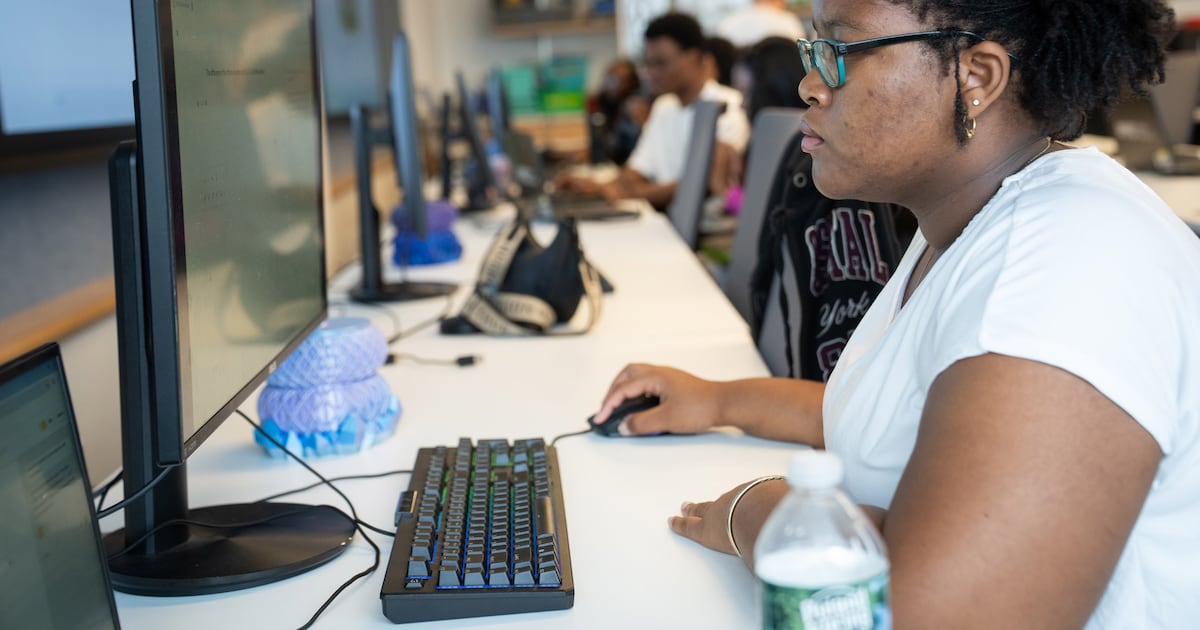 NYC is tightening YouTube access as schools rethink students' screen timeYouTube is the latest technology facing new limits in NYC schools, following restrictions on generative AI and recommendations to curb screen time.
- NYC's DOE has restricted student YouTube access on school-issued devices effective 9 September teachers must adapt video-based lessons to use Google Classroom's approved sharing tools.
- Teachers may continue sharing pre-approved videos via Google Classroom, making curation and intentional media selection a core part of digital lesson planning going forward.
- The policy reverses a prior opt-in model, what was once a principal's discretion is now a city-wide mandate that every classroom teacher must navigate.
- The broader mayoral tech policy bans student-facing generative AI through grade 8 and limits screens before grade 3, directly shaping what teachers can deploy in lower grades.
- Officials will take firm action against student workarounds positioning teachers as key partners in fostering genuine digital responsibility, not just rule compliance.
✨ Extra Pearls
For Parents
- 🌱 Stay emotionally available, not just physically present: your child needs to know you're reachable even as they seek independence.
- 💬 Name your own needs out loud: modelling healthy self-advocacy teaches children that everyone's wellbeing matters, including yours.
- 🔍 Praise effort over outcomes: say "You worked really hard on that" rather than "You're so smart" to build resilience over perfectionism.
- 📵 Co-create a family tech agreement: involve your child in setting screen-time rules to build ownership and make limits feel fair rather than punitive.
- 🧘 Manage your own midlife transitions: recognise when your stress is influencing your parenting, and seek your own support network proactively.
For Teachers
- 📋 Curate before you show: with YouTube access restricted in many districts, build a library of pre-approved video resources inside your LMS before lessons begin.
- ⚖️ Design for equity, not just access: students from lower-income homes may have less tech support at home; build offline fallbacks into every digital lesson.
- 🤝 Communicate tech policies clearly to families: many parents support school technology but feel left out of decisions; proactive communication builds trust and partnership.
- 🎮 Lean into gamified learning: polling shows strong parent support for game-based tools; use this as a low-friction entry point for edtech adoption in your classroom.
- 🌍 Build digital citizenship intentionally: rules alone don't create responsible users; weave conversations about online choices, data privacy, and AI ethics into weekly routines.
Remember: Small, consistent actions from both parents and teachers create the biggest long-term impact on children's wellbeing and learning.
Thank You for Reading!
🧠 Stay Curious!
Read news from all over the world! Discover amazing new things each day! Stay curious!
🤔 Ask Questions!
Read something cool? Ask a grown up for help finding more info! Ask questions! Yay!
📚 Share Knowledge!
Tell your friends and family about the cool facts you learned today!
Check back next week for more exciting news stories from around the world!
💌 We Value Your Feedback!
How can we improve our insights? We're constantly working to enhance our coverage of Insights. Your input helps us deliver more relevant and valuable information.
💡 Suggest Topics
Which areas or places should our news cover in more detail?
🎨 Preferences
Want more pictures, true stories, or expert talks? Tell us!
🗓️ Update Frequency
How often would you like to receive these infrastructure insights?