
Starting 22 March 2026: Raising Kids in a Digital Age
Welcome to this week's news, all summarised with amazing AI.
Modern parenting requires new strategies to help children thrive in an increasingly digital world while developing essential life skills, values, and digital literacy.
👨👩👧 Parents News Summary
🏡 Normal Upbringing
Prince William and Kate prioritise everyday routines and privacy over royal formality for their children.
👨👩👧 The Middleton Model
Carole and Michael Middleton's grounded family life deeply shapes how William and Kate raise their children.
📵 Social Media Bans Won't Fix It
Banning social media alone doesn't ease the challenges of parenting teenagers; values and presence matter more.
💳 Controlled Finances
Tying financial support to responsibility and education encourages independence over entitlement.
❤️ Values-Centred Parenting
Consistent discipline balanced with clear expressions of love raises happy, responsible, purpose-driven children.
⏰ Quality Family Time
Consistent parental presence and structured routines are prioritised even during demanding periods.
🌱 The Middleton Model | Why Social Media Bans Won't Fix Parenting
 Prince William Admires Carole and Michael Middleton So Much He's Based His Parenting Style on "The Middleton Model"William and Kate give their children a "normal" upbringing shaped by the Middletons' grounded family life, with everyday routines over royal formality.
- Prince William and Princess Kate aim to give their children a "normal" upbringing, emphasising everyday routines and privacy over royal formality.
- Their parenting is strongly shaped by the "Middleton model": the grounded, steady family life of Carole and Michael Middleton.
- Carole and Michael Middleton play a consistent, supportive role with frequent visits and time spent with the family.
- Prince William values the Middletons' involvement as a stabilising influence while raising children in the public eye.
- Compared to his own upbringing, William is intentionally creating a more relaxed, family-centred environment with limited royal pressures.
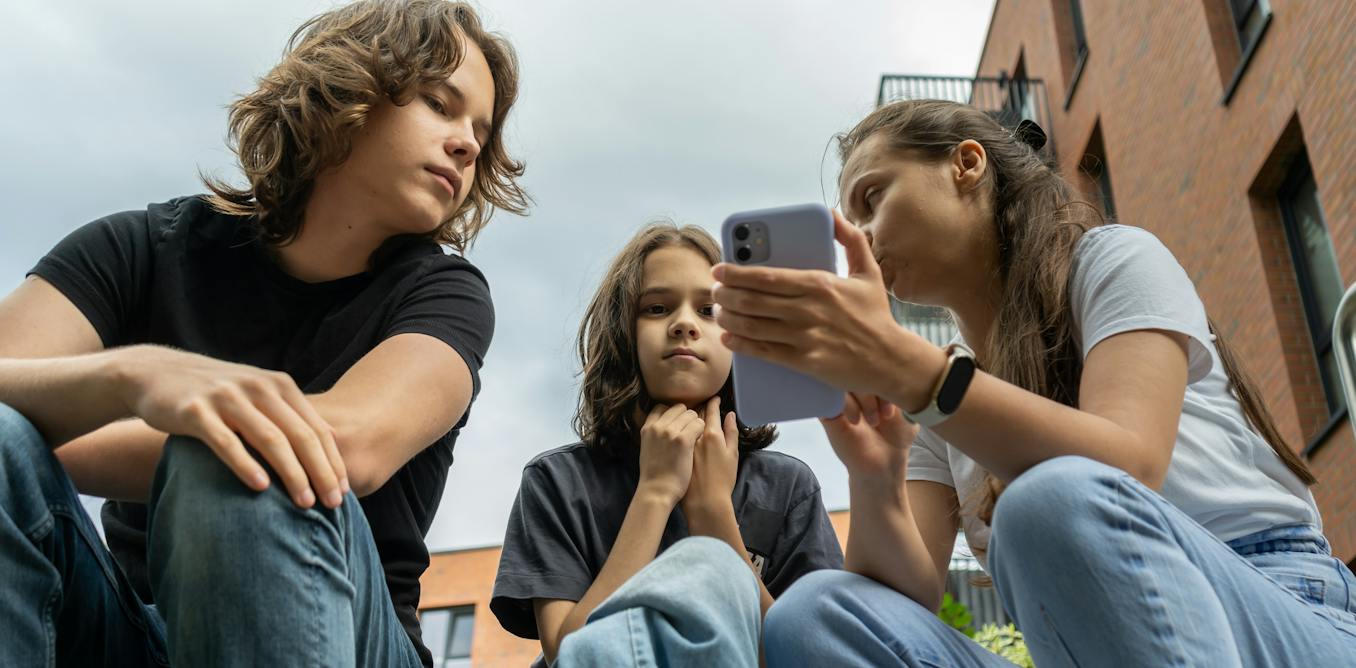 Why social media bans won't make parenting teenagers easierBans alone don't remove the need for ongoing conversations; values, presence and controlled support raise grounded, purpose-driven teens.
- Banning social media alone does not remove the need for parents to have ongoing conversations with their teenagers about online life.
- Raising grounded children despite wealth means avoiding excessive luxury and encouraging normal everyday life.
- Quality family time and consistent parental presence stay priorities even during demanding periods, with structured schooling providing routine.
- Limiting material indulgence, travelling economically and discouraging entitlement help children value effort over possessions.
- Controlled financial support tied to responsibility and education encourages independence, while strong values and loving discipline raise purpose-driven individuals.
🍎 Teachers News Summary
🏫 Community Schools Model
LAUSD community schools combine academic instruction, student support, family engagement, and community partnerships for whole-child learning.
💰 State Funding Boost
California's CCSPP provides major funding to build school networks, staff key roles, and create systems for continuous improvement.
🎯 3 Instructional Priorities
Welcoming classrooms, community-connected project-based learning, and Linked Learning career pathways at the secondary level.
🎒 The Invisible Backpack
Students carry hidden trauma such as poverty, loss, or instability, which impacts emotional regulation and readiness to learn.
🫂 Trauma-Informed Teaching
Shifting from "What is wrong?" to "What happened?", using empathy, safe routines, and emotional validation to support learning.
📈 Measurable Results
Early data shows improved attendance, reduced chronic absenteeism, and stronger gains in math and English at LAUSD community schools.
💻 Community Schools Transform Learning | The Invisible Backpack of Trauma
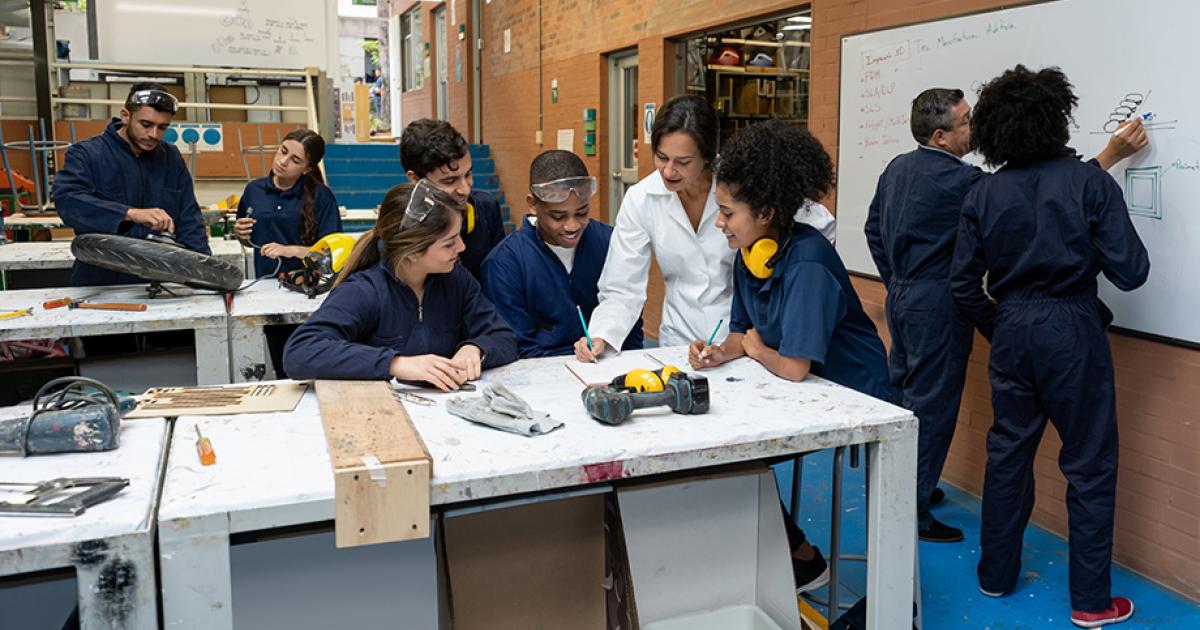 Community Schools in Los Angeles Unified: Transforming Teaching and LearningLAUSD community schools combine academics, support, family engagement and partnerships, with early gains in attendance, math and English.
- LAUSD community schools improve student learning by combining academics with support, family engagement, and community partnerships for whole-child environments.
- California's CCSPP provides state funding helping districts build networks, staff key roles, and create coordinated systems for continuous improvement.
- Three instructional priorities: welcoming inclusive classrooms, community-connected project-based learning, and career-focused Linked Learning pathways.
- System-level support includes professional development, coaching, collaboration time, and dedicated staff roles to ensure consistent implementation.
- Early results show improved attendance, reduced chronic absenteeism, and stronger gains in math and English compared to similar schools.
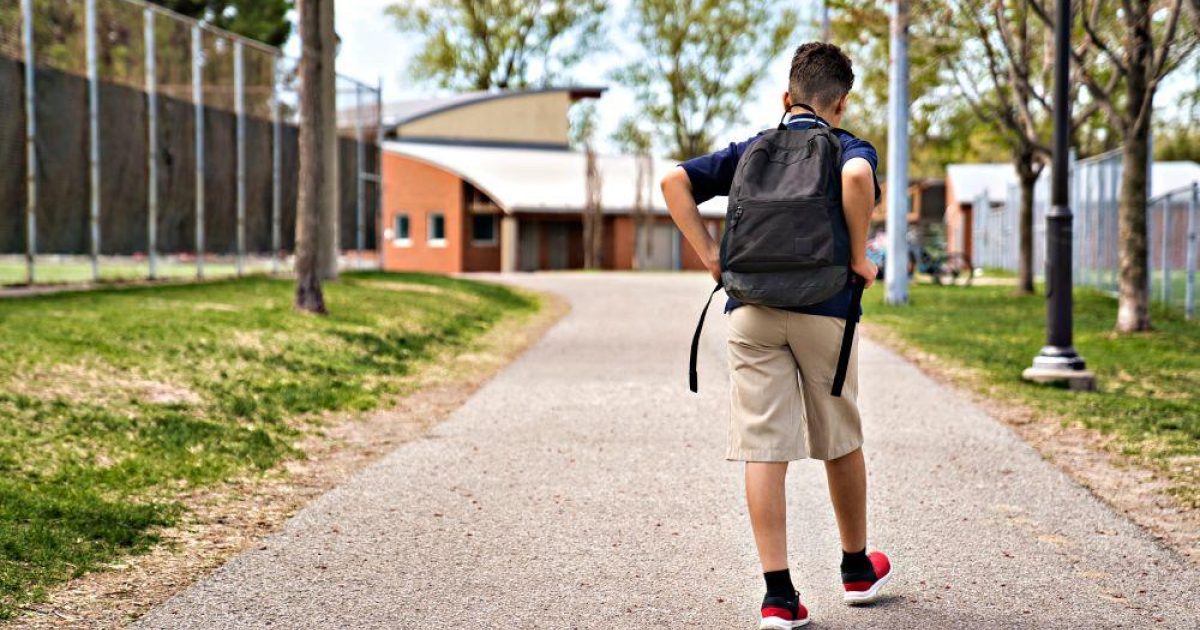 The invisible backpack of childhood trauma: 3 classroom strategiesTrauma shows up as anxiety or withdrawal, not misconduct; empathy, safe routines and restorative circles build trust and readiness to learn.
- Childhood trauma affects behaviour, attention, and learning, often appearing as anxiety, withdrawal, defiance, or inconsistent performance rather than misconduct.
- Students carry an "invisible backpack" of experiences such as poverty, loss, or instability that impact emotional regulation and school readiness.
- Trauma-informed teaching shifts focus from "What is wrong?" to "What happened?", emphasising empathy, safety, routine, and emotional validation.
- Strong relationships, consistent structure, and calm educator responses reduce stress, build trust, and improve cognitive engagement over time.
- Three key strategies: guided emotional mapping, tiered safety and regulation menus, and restorative conflict circles to build awareness and resilience.
✨ Extra Pearls 💎
For Parents: 2 Bonus Tips
- Embracing digital conversations 📱: rather than simply banning screens, sit alongside your child during online activities. Ask open questions about what they're watching or playing; this builds digital literacy and keeps communication channels open naturally.
- The power of "boring" routines 🌅: predictable daily routines, shared mealtimes, bedtime rituals, weekend walks, create the emotional security children need to take risks, explore ideas, and develop resilience in an unpredictable world.
For Teachers: 2 Bonus Tips
- Co-regulate before you educate 🧘: a child in emotional distress cannot absorb new information. Take two minutes to acknowledge a student's feelings before launching into a lesson; a calm nervous system is the prerequisite for a curious mind.
- Involve families as partners 🤝: reach out to families not only when problems arise but to celebrate small wins. A brief positive message home, "Your child showed great kindness today", strengthens the school-family bond and motivates students deeply.
Remember: the most powerful thing both parents and teachers can offer is a consistent, caring presence before any strategy or resource. 🌟
Thank You for Reading!
🧠 Stay Curious!
Keep reading news from around the world to learn amazing new things every day!
🤔 Ask Questions!
Wondering about something you read? Ask a grown-up to help you find more information!
📚 Share Knowledge!
Tell your friends and family about the cool facts you learned today!
Check back next week for more exciting news stories from around the world!
💌 We Value Your Feedback!
How can we improve our insights? We're constantly working to enhance our coverage of Insights. Your input helps us deliver more relevant and valuable information.
💡 Suggest Topics
What sectors or regions would you like to see covered in more depth?
🎨 Format Preferences
Would you prefer more visualizations, case studies, or expert interviews?
🗓️ Update Frequency
How often would you like to receive these insights?