
Last week's news
Round Up Starting 20 September 2026: Digital Parenting & Ed Tech Insights

Welcome to this week's news, all summarised with amazing AI.
Modern parenting requires new strategies to help children thrive in an increasingly digital world while developing essential life skills, values, and digital literacy.
👨👩👧 Parents News Summary
📵 Put Down the Phone
Parents' device use directly affects children's language development and emotional wellbeing. Less screen time means richer conversations.
💬 Talk More, Scroll Less
Mothers who used media less had more descriptive, meaningful conversations with their toddlers, boosting language skills.
👀 Children Notice and Resent It
Kids notice when parents are absorbed in devices and report feeling less valued and less connected.
🧘 Managing Parental Anger
Three practical tools help parents: breathe first, speak kindly to yourself, and repair after losing your temper.
💛 The Power of Repair
Apologising after high emotion is a powerful way to model responsibility for children.
🍽️ Media Free Moments
Experts recommend device free meals, playtime and bedtimes, with full attention when children seek connection.
🌱 When Parents Look Up: Device Use and Child Development
 Attention, Please: Why Children Need Parents Who Look UpParental screen use can affect kids' language development, relationships, and sense of importance. Here's how to offer meaningful attention.
- New research highlights how parents' phone and device use affects early childhood development.
- Mothers who used less media had richer, more descriptive conversations with their toddlers.
- Children said they noticed and resented parents being absorbed in devices.
- Less parental attention was linked to weaker language development and children feeling less valued.
- Researchers recommend media free meals, play and bedtimes, plus full attention when children seek connection.
 Mom! Mom! MOM! 3 ways to stay calm in stressful parenting momentsParenthood can be overwhelming. A therapist and mom of three shares techniques to help calibrate your emotions so you can show up better for your family.
- Life Kit offers three practical strategies for parents managing stressful, high emotion moments.
- First, place a hand on the chest and take slow breaths to reset before reacting.
- Second, use the best friend test and speak to yourself as kindly as you would to a friend.
- Third, repair by apologising to children in age appropriate language after losing your temper.
- Repair is one of the most powerful tools parents have for teaching emotional responsibility.
🍎 Teachers News Summary
📶 E Rate Funding at Risk
The FCC is reviewing the three billion dollar programme funding school internet. Cuts could hurt rural districts most.
♿ Students With Disabilities Most Affected
Students relying on technology for accommodations could be hit hardest if E Rate opt outs become mandatory.
🛡️ AI in Schools: Urgent Risks First
Experts urge schools to tackle student data privacy, fake staff audio and cybersecurity before wider AI adoption.
🏙️ Cities Drawing Firm Lines
New York City banned AI in younger grades, Los Angeles restricted it district wide, and Florida requires family opt in.
✍️ AI Tutoring Yes, Writing No
Students say AI tutoring helps learning but strongly believe AI should stay out of writing classes.
🗳️ Students Shaping AI Policy
Some districts now involve students in writing AI policy, a growing model for responsible adoption.
💻 School Internet Funding and AI’s Expanding Role in Education
 Trump's support for AI in schools could be undercut by his own administration's screen-time fearsFederal regulators are scrutinizing E-Rate school internet subsidies in the name of controlling screen time. School district leaders fear the fallout.
- The FCC is reviewing E Rate, the three billion dollar federal programme that pays for school internet access.
- The review highlights a tension: the administration promotes AI in classrooms while questioning student screen time.
- School leaders warn that cuts or mandatory opt outs could be devastating, especially for rural districts.
- Students with disabilities who rely on technology for accommodations could be hit hardest.
- Education officials argue that screen time is a curriculum question outside the FCC's remit.
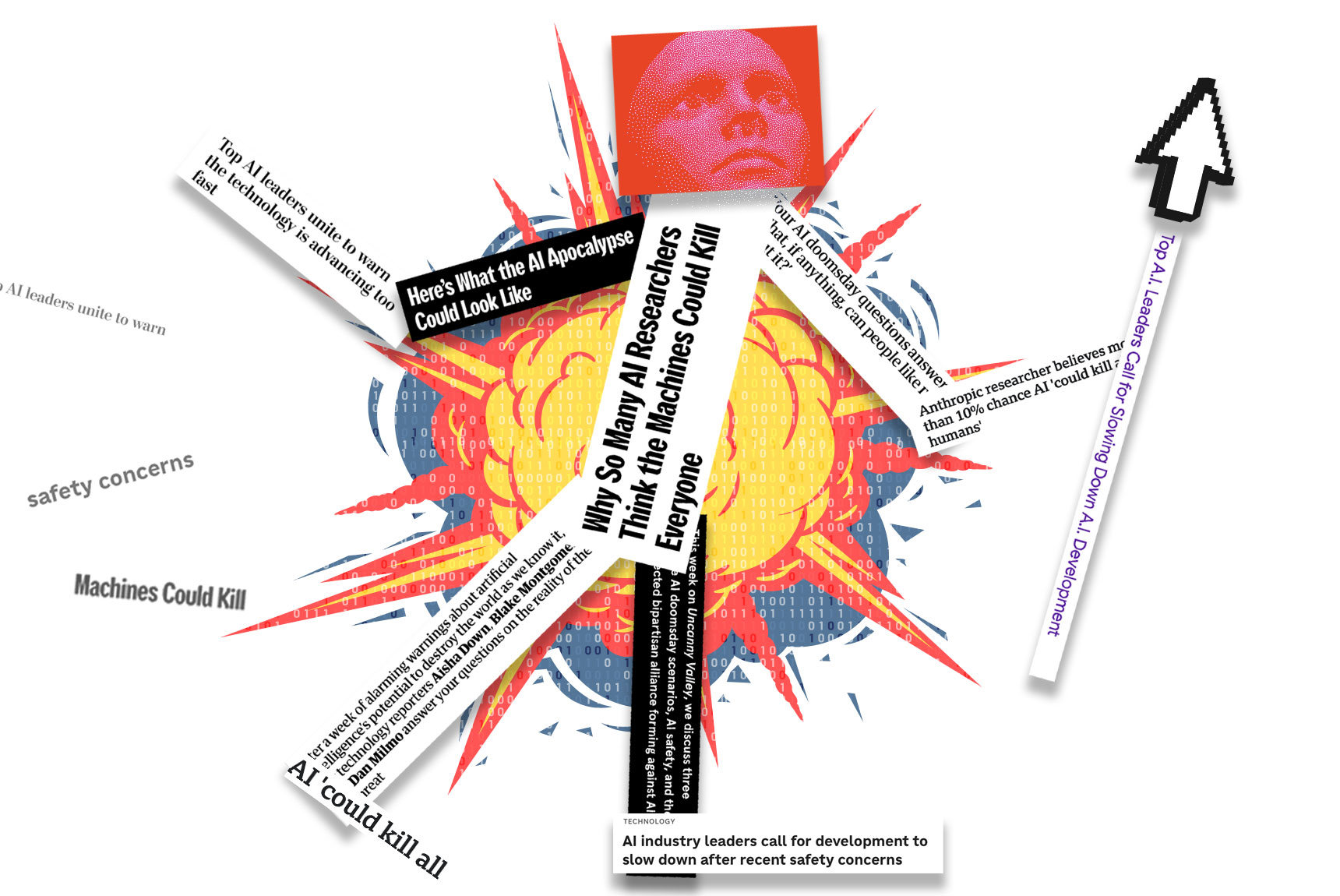 Headlines Warn of an AI Apocalypse. How Should Schools Respond?Panic-inducing AI headlines might prompt schools to hit pause and review the technology more carefully.
- AI danger headlines are pushing schools to rethink how they adopt the technology.
- Experts urge schools to focus on student data privacy, fake voices of staff and cybersecurity.
- New York City, Los Angeles and Florida have introduced different limits on school AI use.
- Experts favour limited uses over AI tools that act on their own.
- Some districts involve students in policy, and students support AI tutoring but not AI writing.
✨ Extra Pearls
For Parents
- Create device free rituals for meals, the first 20 minutes after school and bedtime.
- Name your triggers and use warning signs as a cue to pause and breathe.
- Model what you expect because children absorb habits, not lectures.
- Ask about their digital world with curiosity to build trust.
- Repair without shame by apologising clearly after losing your temper.
For Teachers
- Start with a clear AI policy conversation in plain language.
- Use AI as a scaffold and thinking partner, not a shortcut.
- Protect writing as a human skill through drafting and revising.
- Involve families with a one page note when introducing technology.
- Teach students to verify unexpected digital voices and images.
Remember: small, consistent habits at home and in the classroom build the digital resilience children need for life.
Thank You for Reading!
🤔 Ask Questions
Use this week's stories to start thoughtful conversations.
📚 Share Knowledge
Invite children to explain one discovery in their own words.
Check back next week for more conversations from the news.
💌 We Value Your Feedback!
How can we improve our insights? We are constantly working to enhance our coverage. Your input helps us deliver more relevant and valuable information.
💡 Suggest Topics
What should we investigate next?
🎨 Share an Activity
Tell us how you used the news at home or school.