
Starting 26 April 2026: Raising Tomorrow, Parenting & Teaching in the Age of AI
Welcome to this week's news, all summarised with amazing AI.
Modern parenting requires new strategies to help children thrive in an increasingly digital world while developing essential life skills, values, and digital literacy.
👨👩👧 Parents News Summary
🛡️ You Can't AI-Proof Your Child
Rapid AI change makes predicting future careers impossible. Focus on adaptability and resilience, not specific subject paths.
🎮 Over-Control Backfires
Excessive tutoring and controlling parenting increases child stress and reduces engagement. Let children explore their own interests.
🌟 "Good Enough" Is Great
Children thrive with emotional safety, routines, sleep, and play, not perfection. Presence and stability matter most.
📱 Social Media Pressure Hurts
Over-parenting driven by social media increases stress without improving outcomes. Simpler routines support healthier family dynamics.
🤗 Gentle Parenting: Promise & Limits
Empathy-based parenting aligns with proven methods, but needs clear boundaries to avoid parental burnout and unrealistic demands.
🌍 Raise a Well-Rounded Human
Curiosity, kindness, and real-life experiences beat any specific subject. Support the whole child, not just academic outcomes.
🌱 Paranoid Parenting, Good Enough Parenting and Gentle Parenting
 Paranoid parenting in the age of AIParents cannot AI-proof their children's careers; adaptability, resilience and independent thinking matter more than any specific subject path.
- Parents cannot "AI-proof" children's careers because technological change is too rapid and unpredictable to plan around specific subjects.
- Over-controlling parenting and excessive tutoring backfire, raising stress and reducing children's engagement with learning.
- Experts urge parents to reduce anxiety rather than add to it, and to let children explore their interests freely.
- Future-ready skills are adaptability, resilience, and independent thinking, not any specific subject path.
- Key takeaway: support well-rounded development, curiosity, kindness, and real life experience over controlled outcomes.
 The case for "good enough" parenting: Why doing less might be the smartest move you makeA growing number of families are loosening their grip in the name of sanity: presence, stability and connection beat perfection.
- "Good enough" parenting means being consistent, responsive, and emotionally present, caring without chasing perfection.
- Many parents are stepping back from over-optimisation due to burnout, simplifying family life to what truly matters.
- Children thrive with emotional safety, routines, sleep, play, and connection, not excessive structure.
- Over-parenting and social media pressure increase stress without improving outcomes.
- Presence, stability, and connection over perfection lead to better outcomes for the whole family.
 Does Gentle Parenting Work?Empathy-based parenting aligns with proven methods, but without clear boundaries it can fuel parental burnout; balance works best.
- "Gentle Parenting," popularised by Sarah Ockwell-Smith, emphasises empathy and respect but lacks strong scientific evidence.
- Some practices, like emotional support and calm responses, align with proven Authoritative Parenting methods.
- Early studies show it can be hard to sustain and may contribute to parental burnout and to parents judging themselves too harshly.
- Critics argue it places too many demands on parents while not setting enough clear limits for children.
- Key takeaway: a balanced approach, empathy combined with clear boundaries, is more practical and better supported by research.
🍎 Teachers News Summary
🧑🏫 Human 1st, Technology 2nd
Rabat's international ELT conference declared the question is no longer whether to use AI in classrooms, but how to use it responsibly.
🤖 AI Supports, Not Replaces
Across all three articles, experts agree: AI is a tool to enhance teacher effectiveness, never a substitute for human relationships.
😊 Teaching Is Still Joyful
Nearly 95% of educators report high job satisfaction. Strong student relationships and creative teaching remain top drivers of fulfillment.
📊 Data-Driven Interventions Work
Argentina's experience shows AI-powered early warning systems can identify at-risk students and guide timely, targeted support.
🏛️ Governance Is Non-Negotiable
Successful AI in education requires clear governance: data privacy, equity, impact measurement, and building local evidence before scaling.
🧠 Critical Thinking Is the Core
Whether using AI or not, effective teaching hinges on fostering curiosity, critical thinking, and meaningful real-world learning experiences.
💻 Responsible AI in Classrooms, the Joy of Teaching and Learning by Doing
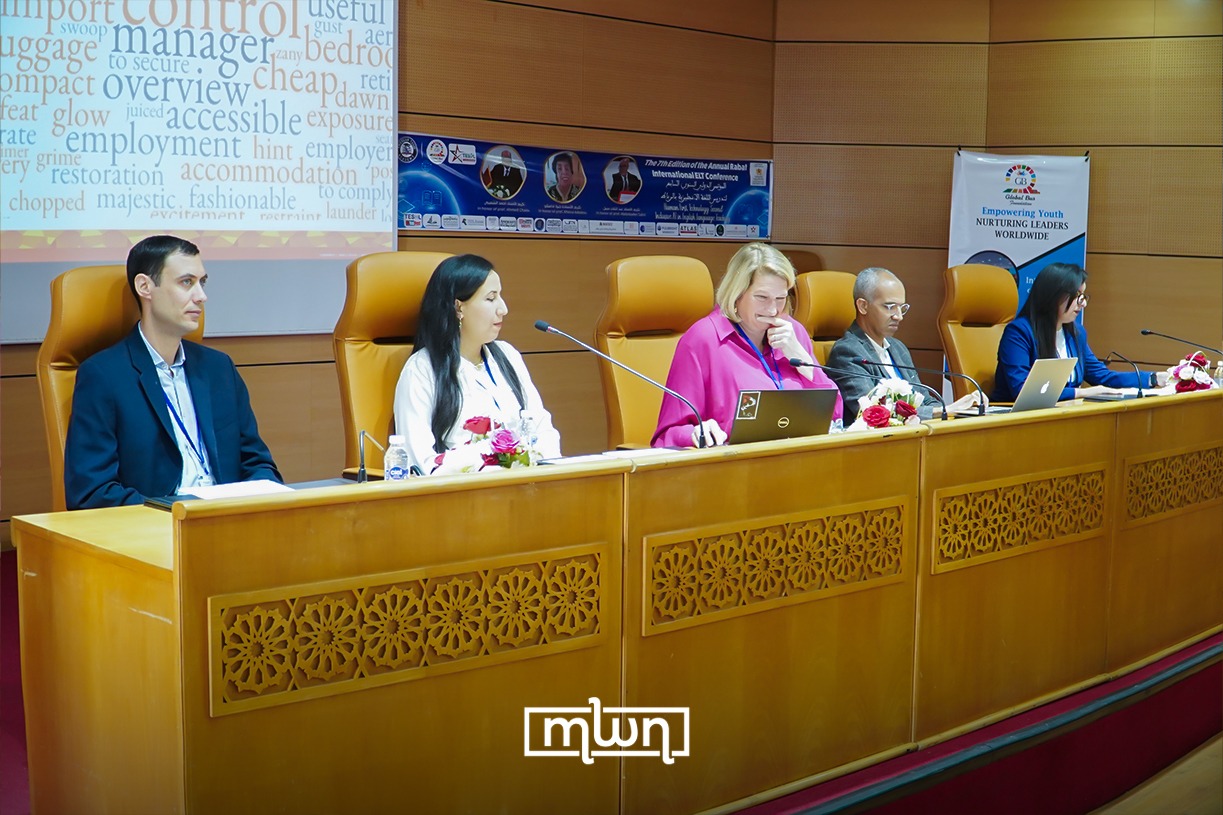 Rabat Hosts International ELT Conference on Responsible AI Use in EducationUnder the theme "Human First, Technology Second", educators agreed the question is no longer whether to use AI, but how to use it responsibly.
- Rabat hosted an international conference on English teaching focused on responsible AI under the theme "Human First, Technology Second."
- The key question is no longer whether to use AI in education, but how to use it responsibly.
- AI should support, not replace teachers, keeping human values central in education.
- Discussions focused on adapting teaching methods and assessments to reflect AI's growing classroom role.
- Key takeaway: effective education blends AI tools with critical thinking, responsible use, and strong teacher guidance.
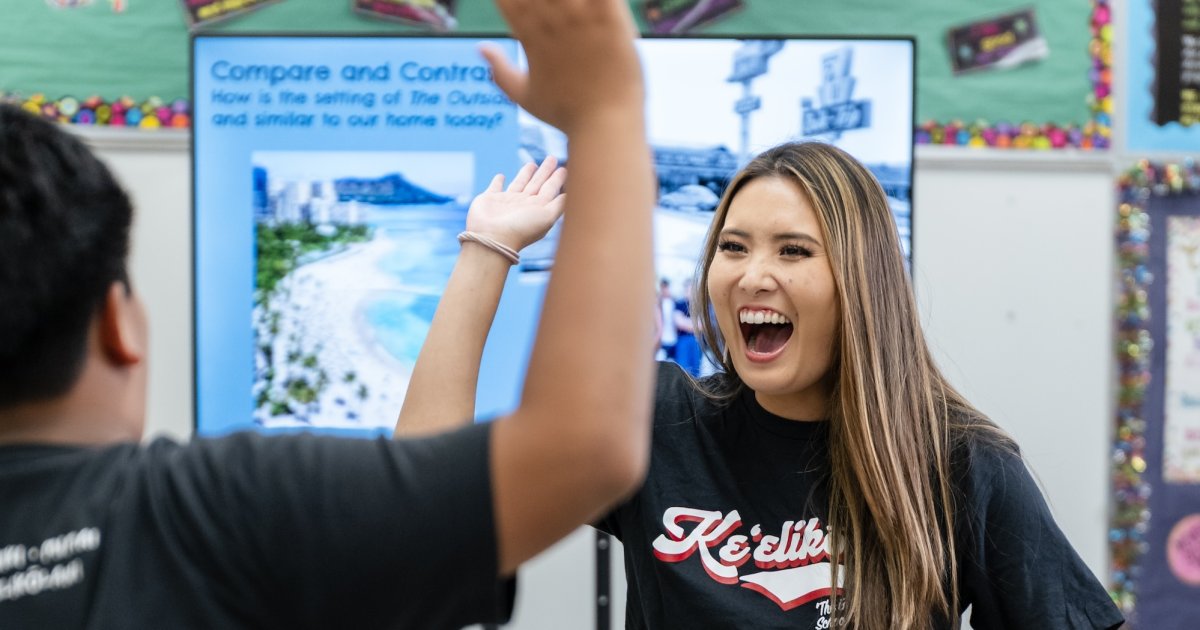 The Joy of TeachingNearly 95% of educators report frequently feeling happy at work; strong student relationships and creative teaching drive fulfillment.
- Despite challenges, nearly 95% of educators report frequently feeling happy at work.
- Strong relationships with students are a key driver of teacher fulfillment and student success.
- Hands-on, creative, and project-based methods make lessons more effective and memorable.
- Teachers find deep meaning in helping students overcome challenges and reach key milestones.
- Key takeaway: teaching remains rewarding when centred on connection, curiosity, and meaningful classroom experiences.
 Artificial Intelligence in Education: Learning by Doing and Evaluating to ScaleArgentina's AI-powered early warning systems identify at-risk students and guide timely support, but governance and trained teachers come first.
- AI improves learning outcomes and school management only when aligned with clear teaching goals, strong infrastructure, and trained educators.
- Argentina's data systems and early warning tools successfully identify students at risk and guide timely interventions.
- Effective AI implementation requires governance: measuring impact early, data privacy, equity, and local evidence before scaling.
- Teachers remain central: AI supports decision making and personalisation but does not replace human instruction.
- Key takeaway: AI works best as a carefully managed tool within a broader education strategy, not a standalone solution.
✨ Extra Pearls 💎
For Parents: 5 Bonus Tips
- Model digital mindfulness: let your children see you put your phone down and be fully present. Behaviour is caught, not taught.
- Embrace "boring" time: unstructured, screen-free play builds imagination and emotional regulation more than any app or class.
- Ask, don't tell: replace "you should study X" with "what did you find interesting today?" Open questions build intrinsic motivation.
- Normalise failure at home: share your own mistakes openly. Children who see parents recover from setbacks develop stronger resilience.
- Co-explore AI together: rather than fearing AI, use it with your child to answer questions, sparking critical thinking about what AI gets right and wrong.
For Teachers: 5 Bonus Tips
- Design AI-augmented tasks: create assignments where students use AI as a starting point, then critically evaluate, edit, and improve the output.
- Protect relationship time: deliberately schedule one-to-one check-ins with students. Connection is your greatest competitive advantage over any technology.
- Build a "mistakes culture": celebrate errors as learning data. Students who feel safe to fail engage more deeply and think more creatively.
- Stay a learner yourself: attend one professional development event per term outside your comfort zone. Your growth mindset is infectious in the classroom.
- Involve parents as partners: share the AI tools you use and why. When parents understand classroom strategies, they can reinforce, not undermine, them at home.
Remember: The best investment in any child's future is a calm, curious, and connected adult in their corner, at home and in school. 🌱
Thank You for Reading!
🧠 Stay Curious!
Keep reading news from around the world to learn amazing new things every day!
🤔 Ask Questions!
Wondering about something you read? Ask a grown-up to help you find more information!
📚 Share Knowledge!
Tell your friends and family about the cool facts you learned today!
Check back next week for more exciting news stories from around the world!
💌 We Value Your Feedback!
How can we improve our insights? We're constantly working to enhance our coverage of Insights. Your input helps us deliver more relevant and valuable information.
💡 Suggest Topics
What sectors or regions would you like to see covered in more depth?
🎨 Format Preferences
Would you prefer more visualizations, case studies, or expert interviews?
🗓️ Update Frequency
How often would you like to receive these insights?