
Starting 8 March 2026: The Future of Modern Parenting & Teaching
Welcome to this week's news, all summarised with amazing AI.
Modern parenting requires new strategies to help children thrive in an increasingly digital world while developing essential life skills, values, and digital literacy.
👨👩👧 Parents News Summary
👨👧 Active Fatherhood
Daily presence and small habits; reading, walking, and talking, have a more meaningful impact on children than grand gestures.
🛡️ Structure Keeps Teens Safe
Consistent rules around phones, curfews, and respect give teenagers the safe container they need to develop judgment and resilience.
💗 Emotional Intelligence
Staying calm, validating feelings, and expressing emotions openly builds trust and supports children's mental wellbeing.
🔬 Science Starts at Home
Everyday activities like painting and cooking are powerful opportunities to introduce science concepts and spark curiosity in young children.
🧸 Play-Based Learning
Letting children lead hands-on activities, answering questions together, and exploring through play builds problem-solving and future school readiness.
🧘 Calm Consistency Wins
Modeling steady, calm routines and sharing caregiving responsibilities positively shapes family dynamics and children's long-term development.
🌱 Matt Damon's Fatherhood Advice | Raising Independent Teens | Science at Home
 Parenting advice from Matt Damon to fellow girl dad Jason Kelce draws emotional responseA widely shared clip of Matt Damon advising Jason Kelce sparked a broader conversation about visible, consistent modern fatherhood.
- Matt Damon shared parenting advice with Jason Kelce that highlighted the importance of consistent, everyday involvement over grand gestures.
- The interaction resonated widely, emphasizing presence, patience, and authenticity as key traits for effective parenting.
- Experts note that visible, hands-on fatherhood and emotional openness positively influence children's well-being and family dynamics.
- Practical guidance includes modeling calm consistency, sharing caregiving responsibilities, acknowledging limits, and expressing emotions appropriately.
- The main takeaway: small, daily habits like reading, walking, or talking with children can have a meaningful impact on family life.
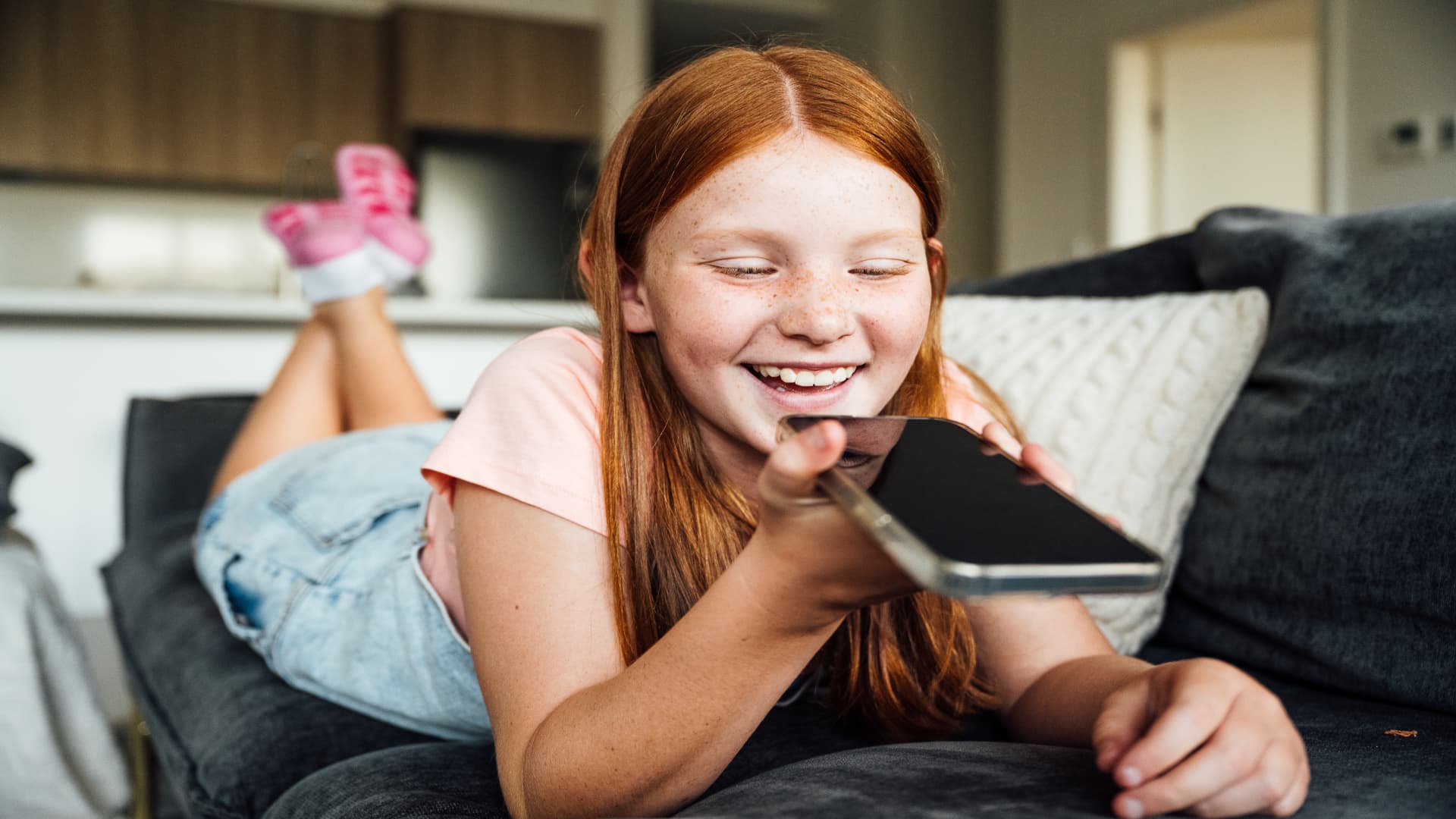 If you want to raise 'stronger, more independent' kids, give them this: They need it 'now more than ever,' say psychologistsTwo psychologists explain why steady structure, clear rules and calm limits are what teens need most to grow stronger and more independent.
- Teens today face rising mental health challenges, fueled by social media, academic pressure, and smartphone use, making parenting feel high-stakes.
- Parents often hesitate to enforce rules, but providing steady structure is crucial for teens to feel contained and safe amid intense emotions.
- Effective parenting strategies include staying calm, validating feelings while holding limits, speaking less during conflicts, and giving space when needed.
- Autonomy develops best within clear boundaries; teens test limits safely when parents maintain structure, which builds judgment and resilience.
- Family norms and consistent rules around phones, curfews, respect, and accountability serve as the shell that supports healthy independence and growth.
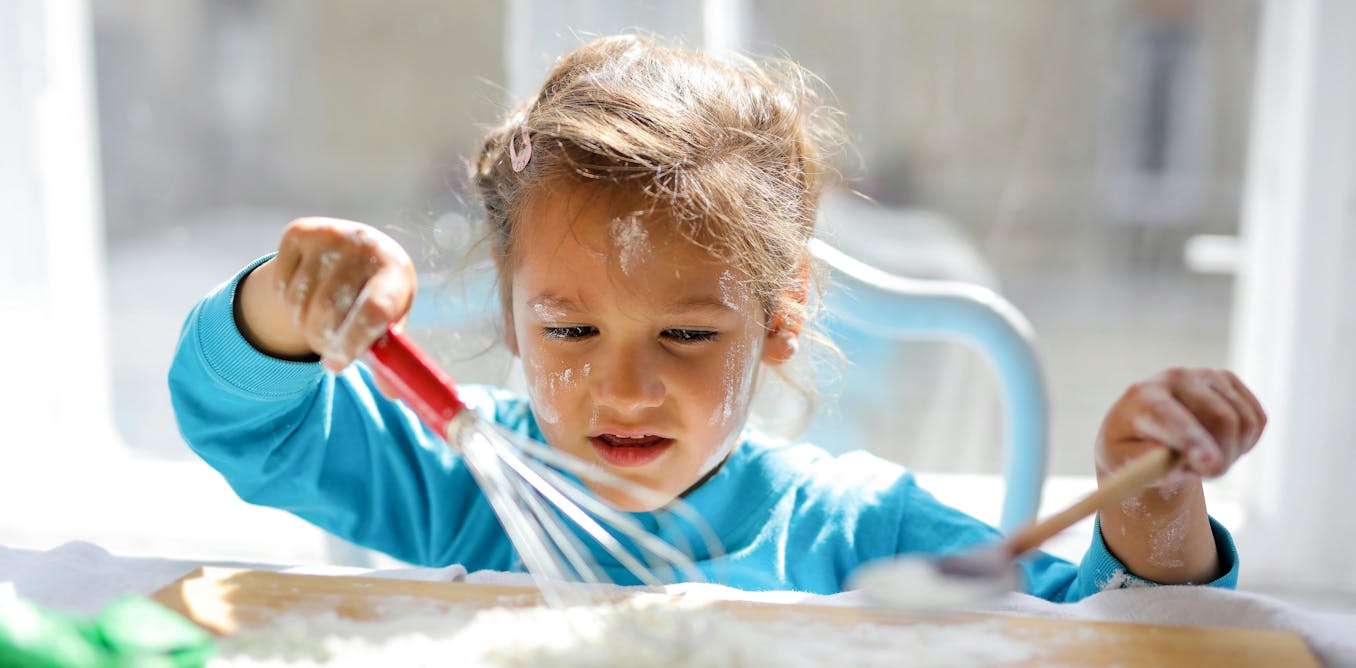 All it takes is paint and pancakes. How to boost your preschooler's science skillsParents do not need to be experts; everyday activities like painting and cooking build early science skills and curiosity.
- Early science skills are important but many parents feel unsure about teaching them, unlike reading or math.
- Simple, everyday activities like painting or cooking can help preschoolers explore science concepts without requiring specialist knowledge.
- Household items, toys, and nature provide plenty of opportunities for hands-on science experiments that spark curiosity.
- Encourage play-based learning, answer children's questions together, and let them lead some activities to build understanding through experience.
- Collaborate with educators for activity ideas, and consistently integrating science into daily play supports problem-solving, logical thinking, and future school readiness.
🍎 Teachers News Summary
♿ Accessibility = Inclusion
Removing digital, physical, and sensory barriers ensures every student can fully participate, accessibility is central to good teaching, not an optional extra.
📱 Bridge the Digital Gap
Mobile-friendly materials, compressed files, and short summaries help students with limited technology access stay fully engaged in learning.
🧩 Flexible Task Design
Adapting labs, fieldwork, and assessments ensures students with diverse physical or sensory needs can achieve the same quality learning outcomes.
🧠 Supporting Neurodiverse Learners
Predictable structures, manageable task steps, captions, transcripts, and screen-reader friendly content make a real difference for neurodiverse students.
📊 Rethink Assessment
Offering multiple ways to demonstrate learning and being transparent about assessment criteria reduces barriers and empowers every student to succeed.
🌟 Accessibility Enables Great Teaching
When accessibility is embedded into teaching practice not added as an afterthought it raises the quality of education for all students, not just those with specific needs.
💻 Accessibility Is What Makes Good Teaching Possible
 'Accessibility is what makes good teaching possible'What accessibility means in principle and in practice: engaging students, dealing with sensory issues and being flexible with assessment.
- Accessibility in education means removing barriers, digital, physical, or sensory so all students can participate fully, regardless of circumstances.
- Digital inequality is common; practical solutions include mobile-friendly materials, compressed files, and short summaries to support students with limited technology access.
- Flexible approaches in labs, fieldwork, and tasks ensure students with diverse physical or sensory needs can achieve the same learning outcomes.
- Supporting neurodiverse students involves predictable structures, breaking tasks into manageable steps, and providing accessible formats like captions, transcripts, and screen-reader friendly content.
- Assessments should be flexible and transparent, offering multiple ways to demonstrate learning, emphasizing that accessibility is central to effective teaching, not an optional extra.
✨ Extra Pearls 💎
For Parents: 5 Bonus Tips
- Put the phone down first 📵: children mirror what they see. Your relationship with screens sets the template for theirs.
- Repair is as important as consistency ❤️: when you lose your temper or make a mistake, showing your child how to apologize and recover is one of the most powerful lessons you can model.
- Ask, don't quiz 💬: replace "What did you learn today?" with "What was the most interesting moment of your day?" open questions invite real conversations.
- Boredom is a gift 🎁: resist over-scheduling. Unstructured time is where creativity, imagination, and self-regulation are quietly built.
- Your wellbeing matters too 🌿: a regulated parent is the greatest gift you can give a child. Invest in your own mental health without guilt.
For Teachers: 5 Bonus Tips
- Relationship before curriculum 🤝: students learn best from teachers they trust. Invest 2 minutes in genuine connection before diving into content.
- Design for the margins 🎯: when you design a lesson for your most challenged learner, cognitively, physically, or emotionally, you improve the experience for everyone.
- Normalize not knowing 🔍: modeling curiosity and saying "I don't know, let's find out together" builds a classroom culture of intellectual safety and growth mindset.
- Feedback beats grades 📝: specific, actionable written feedback is far more powerful for learning than a number or letter even if it takes more time.
- Rest is professional development 😌: a rested, energized teacher is more effective than any new strategy. Protecting your recovery time is an act of service to your students.
Remember: the smallest, most consistent actions in the classroom and at home create the most lasting change. 🌱
Thank You for Reading!
🧠 Stay Curious!
Keep reading news from around the world to learn amazing new things every day!
🤔 Ask Questions!
Wondering about something you read? Ask a grown-up to help you find more information!
📚 Share Knowledge!
Tell your friends and family about the cool facts you learned today!
Check back next week for more exciting news stories from around the world!
💌 We Value Your Feedback!
How can we improve our insights? We're constantly working to enhance our coverage of Insights. Your input helps us deliver more relevant and valuable information.
💡 Suggest Topics
What sectors or regions would you like to see covered in more depth?
🎨 Format Preferences
Would you prefer more visualizations, case studies, or expert interviews?
🗓️ Update Frequency
How often would you like to receive these insights?