
Starting 5 April 2026: Parenting & Teaching in the Age of AI
Welcome to this week's news, all summarised with amazing AI.
Modern parenting requires new strategies to help children thrive in an increasingly digital world while developing essential life skills, values, and digital literacy.
👨👩👧 Parents News Summary
💛 Respect Their Interests
Avoiding mockery of children's passions builds deeper trust and connection.
👂 Stay Curious
Asking what kids enjoy and truly listening strengthens your relationship.
🧬 Generational Parenting
Gen X, Millennials, and Gen Z each parent differently based on their life experiences.
❤️ Emotional Intelligence
Newer generations increasingly prioritise empathy, identity, and mental health.
⚖️ Balanced Boundaries
Expressing concerns respectfully without dismissing children's interests keeps dialogue open.
🌱 Child Centred Shift
All generations are moving away from authoritarian parenting toward supportive, flexible approaches.
🌱 Play Over Screens | Respecting Interests | Generational Parenting
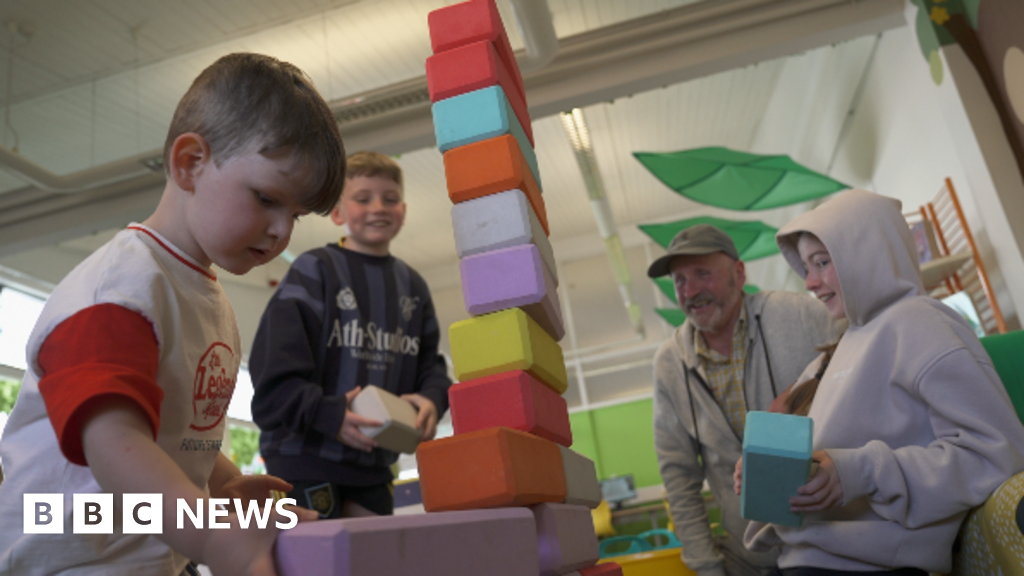 The parents using play to stop children getting 'trapped' by screensUK guidance urges limits on screen time for young children; play, outdoor activities and shared experiences help children disengage positively.
- New UK guidance recommends limiting screen time for young children: under fives to one hour daily, and no solo screen time for under twos.
- Simply removing screens can lead to frustration; engaging alternatives like outdoor activities, group play, and shared experiences help children disengage more positively.
- Research shows real life interaction and conversation are critical for early brain development, improving language processing and learning capacity.
- Many families struggle to reduce screen time due to busy schedules, costs, and limited access to activities, leading to less daily parent child play.
- Balanced approaches work best: using play, following children's interests, and occasionally using screens together can strengthen bonding while supporting development.
 Parenting Advice from a Cartoonist & the Descendants CorollaryMocking your child's interests damages trust; staying curious and listening genuinely keeps them sharing their world with you.
- You don't have to share your child's interests, but openly disliking or mocking them can damage connection, trust, and the sense that they can come to you.
- Criticising what kids enjoy often makes them less likely to share their interests, ideas, or little everyday experiences with parents.
- A better approach is to stay curious, ask children what they like, listen with genuine interest, and make space for their perspective even if you personally disagree.
- Parents can still express concerns, such as worries about messages or behaviour, in a respectful way without dismissing the child's interests altogether.
- Children's interests can unexpectedly spark creativity, confidence, and growth, making supportive engagement far more valuable than quick judgment.
 From Gen X to Gen Z: How Your Generation Shapes the Way You ParentEach generation parents differently: Gen X hovers, Millennials emphasise empathy and balance, Gen Z prioritises mental health and gentle parenting.
- Parenting styles are shaped by each generation's life experiences, with all generations aiming to improve on the previous one.
- Generation X parents tend to be highly involved ("helicopter" style), prioritising safety, education, and independence, though this can sometimes limit children's resilience.
- Millennial parents favour flexible, positive, and empathetic parenting, heavily influenced by technology and social media, with a focus on emotional intelligence, individuality, and work life balance.
- Generation Z parents emphasise mental health, identity exploration, and gentle parenting, but may feel pressured due to social media comparisons.
- Across generations, there is a shift away from strict, authoritarian parenting toward more child centred approaches, with growing influence from digital technology and changing societal norms.
🍎 Teachers News Summary
🎯 Inclusive Course Design
Redesigning complex subjects with clear goals makes them accessible to all students.
🤝 Active Learning Works
Peer teaching, group work, and case studies build confidence and deep understanding.
🤖 AI as Teaching Aid
Tools like ChatGPT support lesson creation and feedback without replacing teachers.
⚠️ AI Integrity Risks
Students using AI to complete assignments raises concerns about real learning and critical thinking.
🎓 Degree Value at Risk
Degrees may become mere signals rather than proof of real skills as AI erodes learning outcomes.
🔮 Education's Future
AI may accelerate a shift toward skills based hiring, apprenticeships, and practical learning.
💻 Rethinking How We Teach | AI and the Future of Degrees
 Teaching Tool: Innovative Approaches in Teaching Developmental ImmunologyA redesigned immunology course uses inclusive goals, peer teaching and AI support to build student confidence and critical thinking.
- A redesigned developmental immunology course focuses on making complex topics accessible to diverse students through inclusive teaching and clear learning goals.
- Active learning methods such as group work, peer teaching, and case studies help students engage deeply and build confidence.
- Students take on "expert" roles, teaching peers and collaborating, which strengthens understanding and communication skills.
- AI tools like ChatGPT are used to support teaching, helping create lessons, assignments, and feedback without replacing the teacher's role.
- Results show improved student confidence, critical thinking, and ability to analyse scientific information, along with greater awareness of ethical issues.
 AI Could Fix Higher Education by Breaking ItAs AI erodes real learning behind degrees, higher education may shift toward skills based hiring, apprenticeships and practical experience.
- AI is widely used by students to complete assignments and write essays, raising concerns about declining learning and academic integrity.
- Evidence suggests learning outcomes are worsening, with students spending less time on coursework and showing lower proficiency, despite degree attainment.
- Colleges are struggling to respond effectively, relying on partial measures like in person exams while largely failing to address the deeper impact of AI.
- College degrees may function more as "signals" to employers rather than proof of real knowledge or skills, an issue AI may further undermine.
- AI could force a major shift in higher education, potentially breaking the current system and accelerating the move toward alternative models like skills based hiring, apprenticeships, and practical experience.
✨ Extra Pearls 💎
For Parents: 5 Bonus Tips
- Create a weekly "device free" hour where the whole family does something together: games, cooking, or storytelling.
- Use "I noticed…" statements instead of judgements, for example: "I noticed you seem excited about this game, tell me more!"
- Teach children to fact check online content by asking: "Who wrote this? Why? Is there another view?"
- Celebrate effort and persistence over grades; this builds genuine resilience and a growth mindset.
- Model the behaviour you want to see: put your own phone away during family time and be fully present.
For Teachers: 5 Bonus Tips
- Design at least one assignment per unit that is impossible to complete well using AI alone, requiring personal reflection, fieldwork, or live debate.
- Use "process portfolios", asking students to document their thinking steps, so learning is visible, not just the final product.
- Have honest, non punitive conversations with students about how and why they use AI, turning it into a media literacy lesson.
- Introduce "expert jigsaw" activities where each student masters one topic and teaches it to peers, building ownership and deep retention.
- Partner with parents by sharing one specific, actionable tip per week on how to reinforce classroom learning at home.
Remember: small, consistent shifts in how we engage both at home and in the classroom create the biggest long term difference for children's growth and wellbeing. 🌱
Thank You for Reading!
🧠 Stay Curious!
Keep reading news from around the world to learn amazing new things every day!
🤔 Ask Questions!
Wondering about something you read? Ask a grown-up to help you find more information!
📚 Share Knowledge!
Tell your friends and family about the cool facts you learned today!
Check back next week for more exciting news stories from around the world!
💌 We Value Your Feedback!
How can we improve our insights? We're constantly working to enhance our coverage of Insights. Your input helps us deliver more relevant and valuable information.
💡 Suggest Topics
What sectors or regions would you like to see covered in more depth?
🎨 Format Preferences
Would you prefer more visualizations, case studies, or expert interviews?
🗓️ Update Frequency
How often would you like to receive these insights?