
Starting 19 April 2026
Welcome to this week's news, all summarised with amazing AI.
Modern parenting requires new strategies to help children thrive in an increasingly digital world while developing essential life skills, values, and digital literacy.
👨👩👧 Parents News Summary
🛡️ Overprotection Harms Teens
Removing all obstacles from kids' lives can cause teen sadness and stop them from becoming strong. Let kids try!
💪 Resilience Must Be Built
Teens who never fail, face rejection, or get bad grades struggle emotionally when real life gets hard for them.
📉 Two Key Drivers of Depression
Research by Haidt & Twenge links rising teen depression to both social media use and overprotective parenting styles.
🤖 AI Is Not Child-Safe by Default
Parents should treat AI as a powerful tool requiring supervision, not a safe technology for children to use freely.
💬 Bots Change Our Friendships, Oh No!
Chatbots can feel helpful, but relying too much on AI can push away real friends. This is a big worry!
🧭 Set AI Rules, Be a Smart Digital Kid!
Grown ups must set rules for AI, help kids make friends offline, and teach smart ways to use computers.
🌱 Parenting & Teen Resilience | AI & Children
 Scott Galloway Calls Out This 1 Parenting Style as a Major Driver of Depression in TeensGalloway warns that "concierge" or "bulldozer" parenting, removing every obstacle, may fuel teen depression; resilience comes from facing age-appropriate challenges.
- Scott Galloway warns that "concierge" or "bulldozer" parenting, removing all obstacles, may contribute to rising teen depression.
- This parenting style limits exposure to challenges, preventing teens from developing coping skills.
- Research by Jonathan Haidt and Jean Twenge links increased teen depression to social media and overprotective parenting.
- Teens who face little failure may struggle emotionally with real-life setbacks later.
- Key takeaway: allow age-appropriate challenges and teach children to handle rejection, resilience is critical for long-term mental health and success.
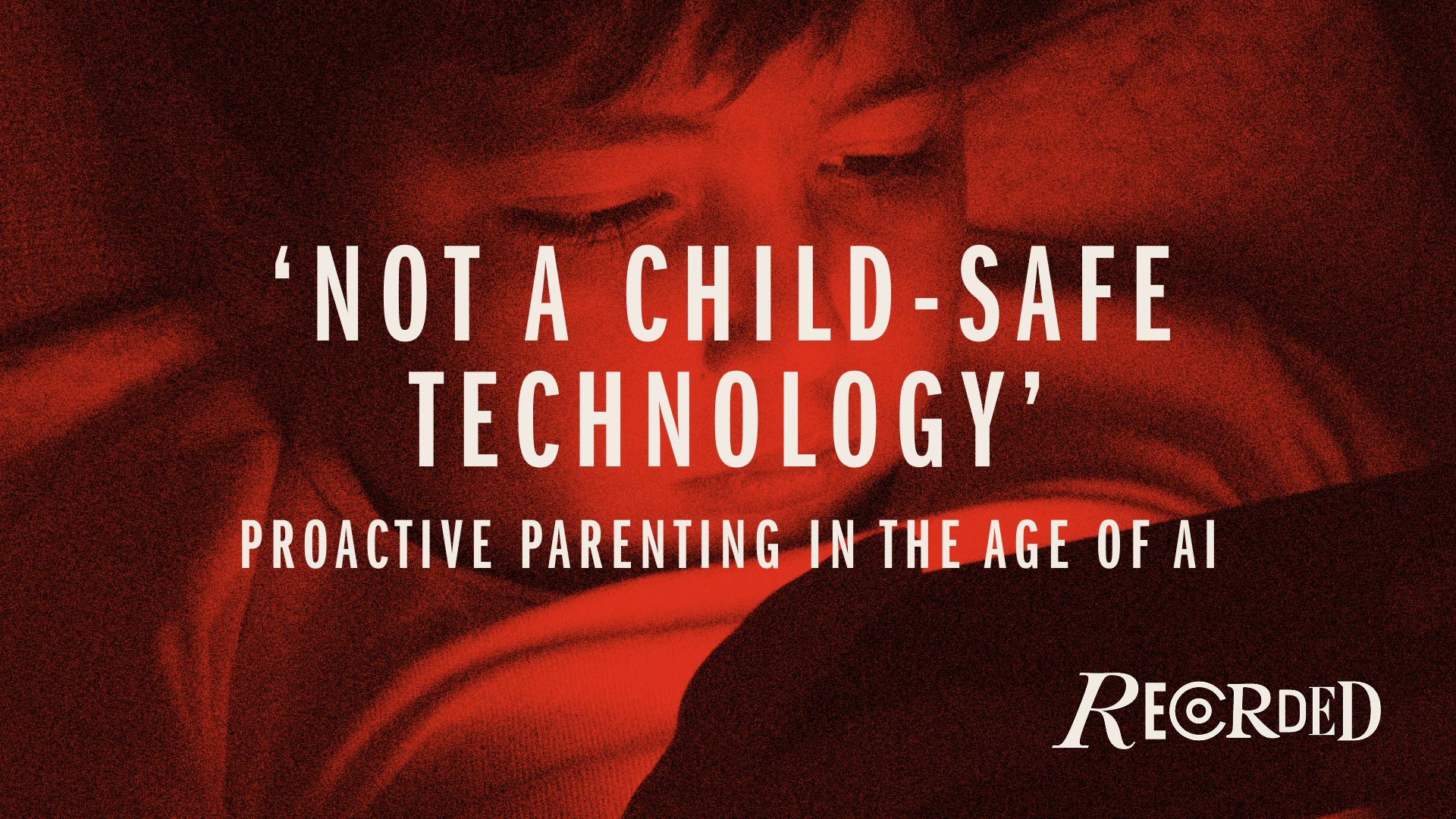 'Not a Child-Safe Technology': Proactive Parenting in the Age of AIAI is not child-safe by default: parents should set boundaries, supervise use, protect real human connection, and teach responsible AI habits.
- AI risks for children go beyond jobs, especially in education, emotional dependency, and future work readiness.
- Parents should treat AI as a powerful tool, not a child-safe technology for unsupervised use.
- Overuse of AI in school can weaken integrity, critical thinking, memory, and real learning.
- Emotional use of chatbots is a major concern because AI can feel supportive while replacing real human connection.
- Parents and teachers should set boundaries, supervise use, encourage offline relationships, and teach children to use AI responsibly.
🍎 Teachers News Summary
🏫 LA Says No More Little Screens!
Los Angeles is first big U.S. school district to limit screen time! Devices are banned for students in Grade 1 and younger.
📺 YouTube & Streaming Off at School!
A new LAUSD rule stops kids from watching YouTube and other streaming apps on school tablets and computers. No fun videos!
✋ Parents Can Opt Out Now!
Schools will let parents say "no thanks" to some digital tools. This helps families choose about tech for kids!
📵 Ed Tech Pushback Rises!
More and more people are saying "slow down!" to classroom tech. After 1 to 1 devices, many feel it's too much!
⚖️ Teachers Can't Agree!
Tech helps learning, feedback, and access, but can hurt focus, behavior, and well being if used too much! Find a balance!
🎯 Tech Helps? Use It Then!
Schools are having tech free days and smart digital use. Tech should only be used when it clearly makes learning better!
💻 LA Screen Time Ban | Ed-Tech Backlash
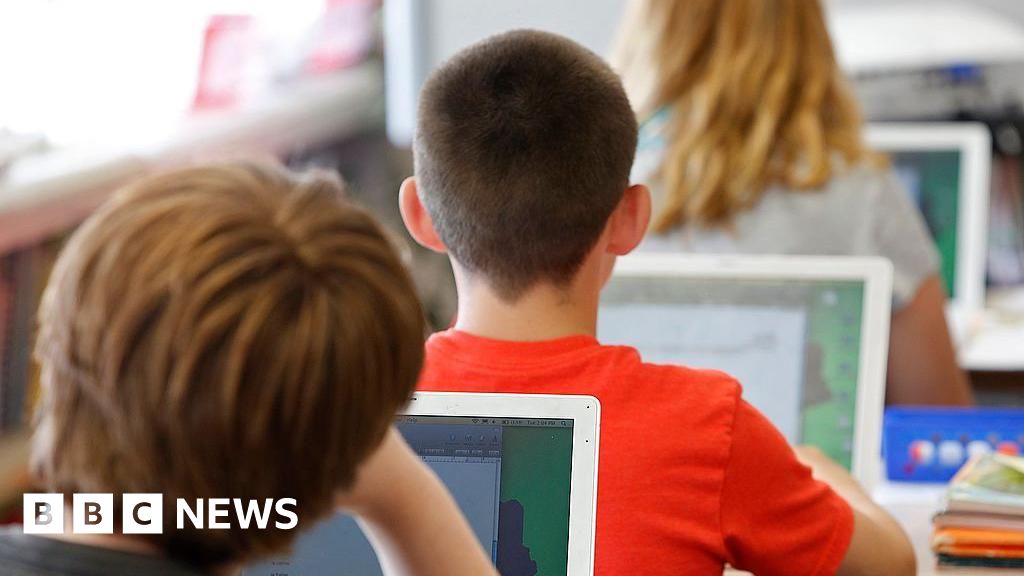 Los Angeles schools set limits on classroom screen timeLA becomes the first major U.S. district to formally restrict classroom screen time, banning devices for Grade 1 and younger and blocking YouTube on school devices.
- Los Angeles becomes the first major U.S. school district to formally limit classroom screen time.
- New policy bans device use for first grade and younger students and requires age-based screen-time rules for all grades.
- Schools will block platforms like YouTube on school devices and allow parents to opt out of certain digital tools.
- Decision follows concerns linking excessive screen time to lower academic performance, obesity, and depression.
- Key takeaway: schools are shifting toward stricter, research-based limits to balance technology use with student well-being and learning outcomes.
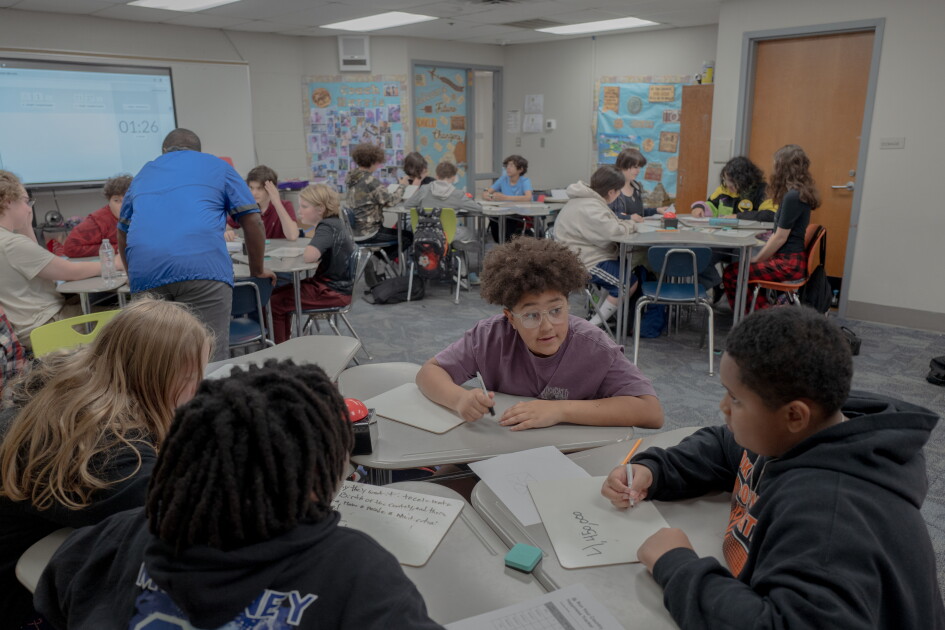 The Ed-Tech Backlash Is Here. What It Means for SchoolsParents, policymakers and educators are pushing back on excessive classroom tech; schools are responding with tech-free days and more intentional digital use.
- Schools are facing growing pushback from parents, policymakers, celebrities, and educators over too much classroom screen time.
- Concerns increased after pandemic-era 1-to-1 device programs, generative AI, social media harms, and student mental health worries.
- Educators are divided: tech can support learning, feedback, and accessibility, but may also hurt focus, behaviour, and well-being.
- Some schools are responding with tech-free days, clearer parent communication, and more intentional use of digital tools.
- Key takeaway: schools need balance, using technology only when it clearly improves learning, not as a default.
✨ Extra Pearls 💎
For Parents: 5 Bonus Tips
- Let them struggle a little. Age-appropriate frustration builds emotional muscle. Resist the urge to instantly fix every problem your child faces.
- Have a family AI agreement. Discuss openly which tasks AI can help with (research, grammar checks) and which must stay human-only (creative writing, exams, personal reflection).
- Model healthy screen habits. Children mirror adult behaviour. Putting your own phone away during meals and conversations sends a more powerful message than any rule.
- Prioritise face-to-face friendships. Schedule regular offline playdates and social activities to counterbalance the pull of digital interaction.
- Praise effort, not outcome. Saying "I'm proud of how hard you worked" builds growth mindset and resilience, not "You're so smart."
For Teachers: 5 Bonus Tips
- Audit your tech use with purpose. Before every lesson, ask: "Does this screen activity genuinely improve learning, or is it just convenient?" Default to analogue when unsure.
- Teach AI literacy explicitly. Help students understand how AI works, its limitations, and the ethical implications of over-relying on it for thinking and creativity.
- Build conflict resolution into curriculum. Give students structured opportunities to navigate disagreement, receive feedback gracefully, and learn from mistakes in a safe space.
- Create "uncomfortable learning" moments. Present challenges where students don't immediately know the answer, productive struggle is where real learning happens.
- Partner with parents on digital norms. Share your classroom tech policy clearly and invite families to reinforce consistent expectations at home.
Remember: the goal isn't to raise perfect children, it's to raise capable, resilient ones. 🌱
Thank You for Reading!
🧠 Stay Curious!
Read news from all over the world! Discover amazing new things each day! Stay curious!
🤔 Ask Questions!
Read something cool? Ask a grown up for help finding more info! Ask questions! Yay!
📚 Share Knowledge!
Tell your friends and family about the cool facts you learned today!
Check back next week for more exciting news stories from around the world!
💌 We Value Your Feedback!
How can we improve our insights? We're constantly working to enhance our coverage of Insights. Your input helps us deliver more relevant and valuable information.
💡 Suggest Topics
Which areas or places should our news cover in more detail?
🎨 Preferences
Want more pictures, true stories, or expert talks? Tell us!
🗓️ Update Frequency
How often would you like to receive these insights?