
25 to 31 October 2026
Round Up Starting 25 October 2026: Parents & Teachers
Welcome to this week's news, all summarised with amazing AI.
Modern parenting requires new strategies to help children thrive in an increasingly digital world while developing essential life skills, values, and digital literacy.
👨👩👧 Parents News Summary
👨👩👧 Chefs share ways to help children enjoy family meals
Guardian interviews explore involving children in cooking, introducing foods gently and listening to texture preferences. These are personal experiences, not clinical nutrition advice.
👨👩👧 More fathers take paid leave to bond with a new baby
NPR reports on fathers using paid bonding leave in several US states, giving families time together after a birth. Eligibility and benefits depend on local rules.
🌱 Family Meals and Time Together
 Chefs share ways to help children enjoy family mealsGuardian interviews explore involving children in cooking, introducing foods gently and listening to texture preferences. These are personal experiences, not clinical nutrition advice.
- Tom Kerridge involves his son in preparing kebabs and building pizzas, saying participation can make food more appealing.
- Meera Sodha introduces new foods alongside familiar ones and increases spices gradually.
- Sodha avoids labelling children as fussy because they may come to see that label as part of who they are.
- Helen Goh asks why her children dislike a food and adjusts cooking to their different texture preferences.
- Anna Jones describes offering some of the family meal while recognising that children’s tastes can change over time. These interviews do not prove one method works for every family.
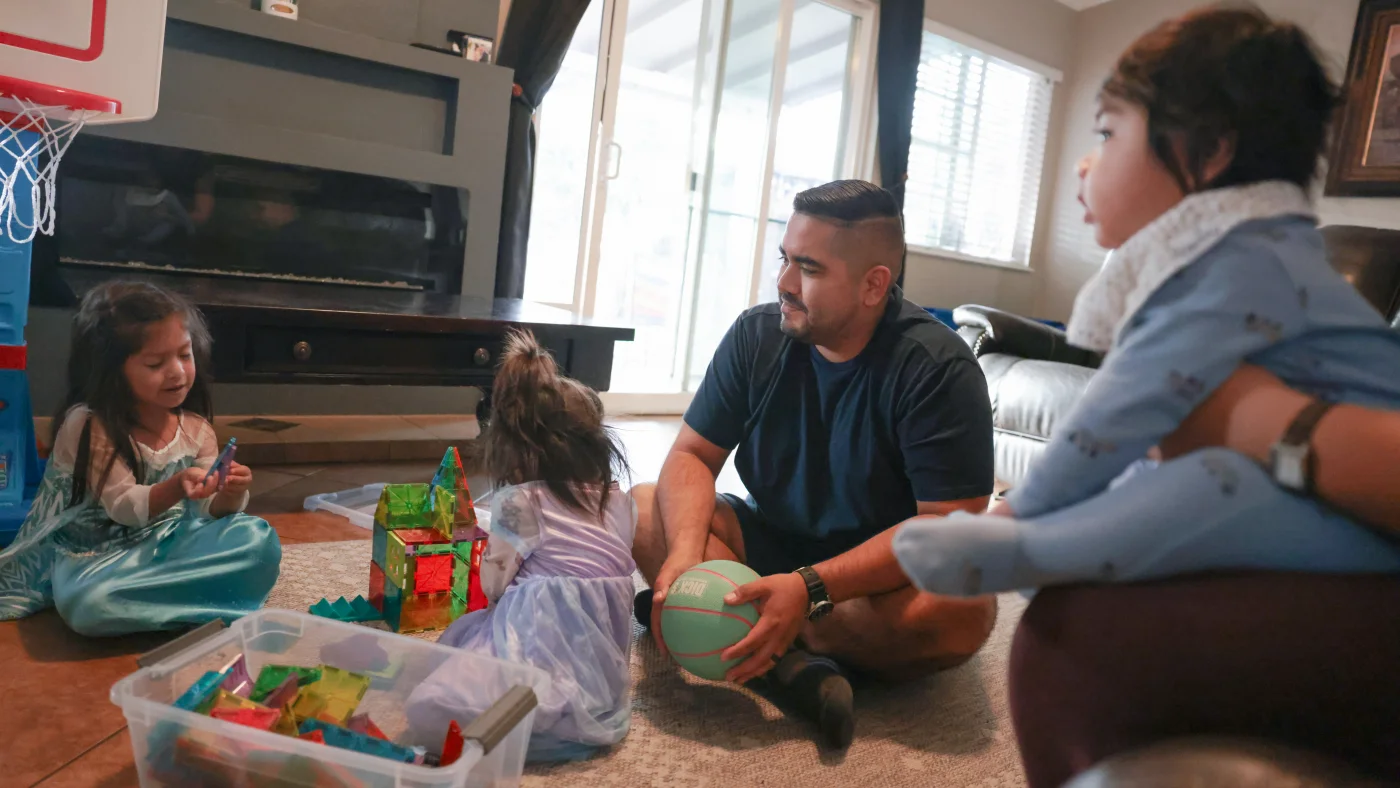 More fathers take paid leave to bond with a new babyNPR reports on fathers using paid bonding leave in several US states, giving families time together after a birth. Eligibility and benefits depend on local rules.
- NPR reports that fathers are increasingly taking paid leave to bond with a new child in US states that offer these programmes.
- California fathers accounted for fifty one percent of paid bonding leave claims in 2025, compared with about eighteen percent when the programme began in 2004.
- The article follows Karlo Campana, a father of three young children, who used paid leave after each birth to care for his children and support his wife.
- California offers eligible parents up to eight weeks of paid bonding leave after a birth, adoption or foster placement, separate from disability leave for recovery after childbirth.
- These figures cover California’s state programme, not all employer benefits. There is no US federal guarantee of paid parental leave, and eligibility and payments vary by location.
🍎 Teachers News Summary
📚 School board stops scanning teachers’ faces to track attendance
CBC reports that Eskasoni School Board ended facial recognition attendance tracking after teachers raised concerns about biometric data and informed consent.
📚 Teachers rethink classroom assessment in the AI age
Reuters, republished by CNA, reports how teachers are using oral exams, classroom writing and explanations of reasoning to assess learning as AI tools spread.
💻 Teacher Privacy and Classroom Assessment
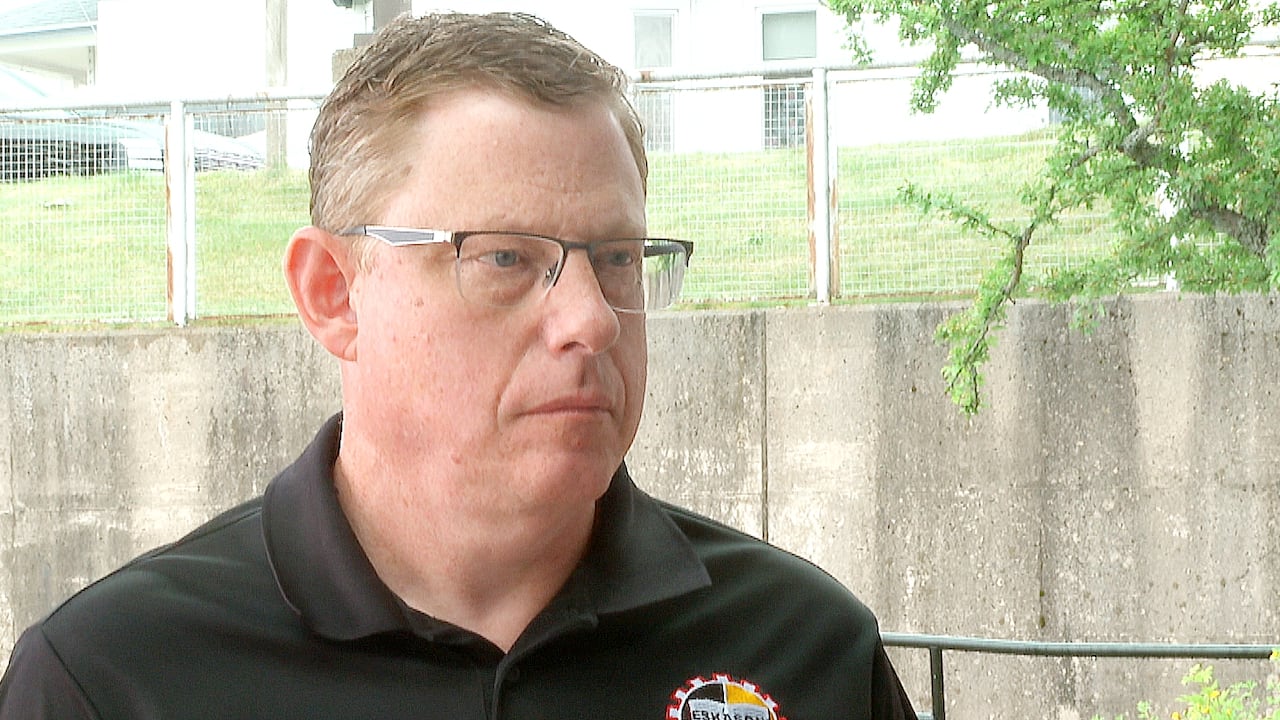 School board stops scanning teachers’ faces to track attendanceCBC reports that Eskasoni School Board ended facial recognition attendance tracking after teachers raised concerns about biometric data and informed consent.
- Eskasoni School Board in Nova Scotia stopped using facial recognition technology to track staff attendance, according to CBC.
- The scanners had been installed in spring; staff looked at a wall mounted tablet at the start and end of each school day.
- The tablet displayed a staff member’s photograph, full name and recent attendance record.
- Union president and teacher Jonathan Cox said staff accepted attendance tracking but questioned where biometric data was stored and who could access it.
- Cox said staff did not believe they had given informed consent. The board did not respond to CBC’s request for comment, so the article presents the union’s account.
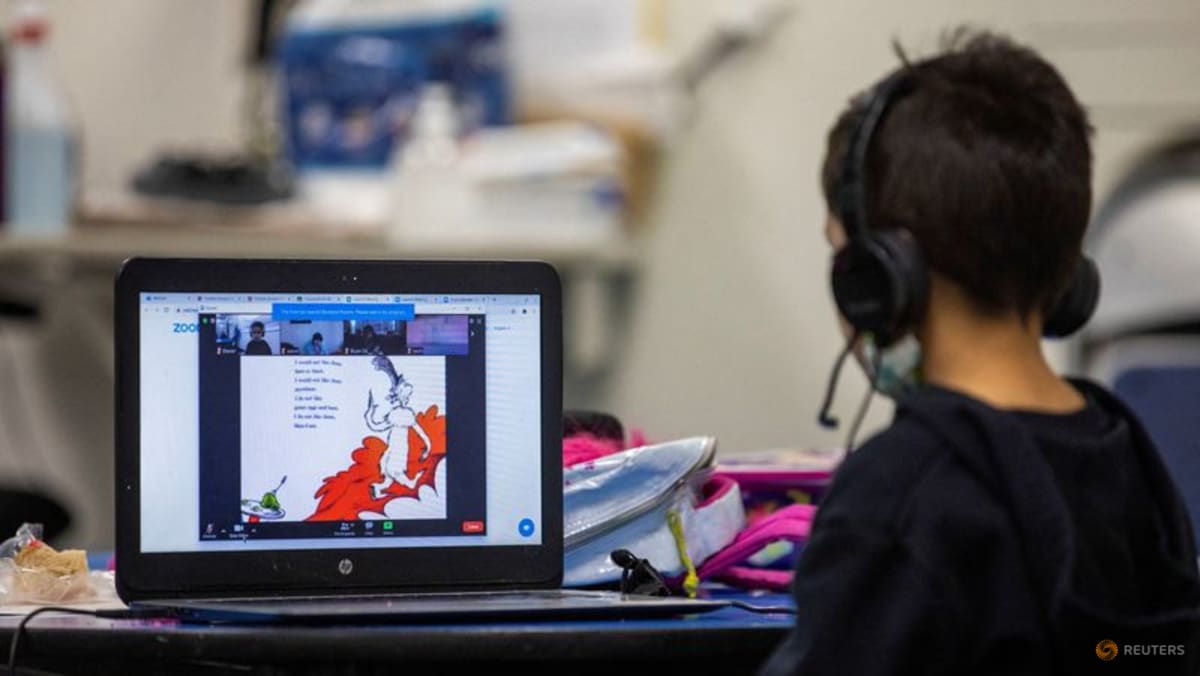 Teachers rethink classroom assessment in the AI ageReuters, republished by CNA, reports how teachers are using oral exams, classroom writing and explanations of reasoning to assess learning as AI tools spread.
- Reuters interviewed a dozen teachers and education experts about how generative AI is changing assessment in US middle and high schools.
- San Francisco humanities teacher Tristen Chang replaced essays completed at home with oral exams covering character, plot, theme and metaphor.
- Chang asks fifteen questions, which students can answer in as little as five minutes, to hear their understanding directly.
- New York maths teacher Bobson Wong assigns fewer homework questions and more classroom practice, asking students which problem solving method they prefer and why.
- Teachers described varied approaches, from handwritten work to using AI to adapt reading materials. These interviews illustrate classroom choices, not proof that one approach works for every learner.
✨ Extra Pearls
For Parents
- Invite children to help with an age appropriate part of preparing a family meal.
- Check local parental leave eligibility and plan how adults can share care after a new arrival.
- Make time together for everyday care, play and conversation.
For Teachers
- Ask who can access staff biometric data, how long it is kept and whether an alternative is available.
- Consider a short classroom writing task followed by an oral explanation of the student’s reasoning.
- Keep appropriate accommodations when changing assessments, and follow your school’s AI policy.
Keep evidence, safety and independent thinking at the centre of learning.
Thank You for Reading!
🤔 Ask Questions
Use this week's stories to start thoughtful conversations.
📚 Share Knowledge
Invite children to explain one discovery in their own words.
Check back next week for more conversations from the news.
💌 We Value Your Feedback!
How can we improve our insights? We are constantly working to enhance our coverage. Your input helps us deliver more relevant and valuable information.
💡 Suggest Topics
What news story should we cover next?!
🎨 Share an Activity
Tell how you used news at home or school.