
Starting 31 May 2026
Welcome to this week's news, all summarised with amazing AI.
Modern parenting requires new strategies to help children thrive in an increasingly digital world while developing essential life skills, values, and digital literacy.
👨👩👧 Parents News Summary
💛 Parental Influence Matters
Grown ups really help kids heal! They impact a child's recovery, but their big role is sometimes missed by doctors.
😌 Anxiety vs. Calm Responses
Grown ups' worries can make things harder for kids. Learning calm, kind ways helps kids grow and feel much better!
💪 Parents Lead the Way!
Strengthening parents' own sense of agency is more effective than focusing solely on the child's behaviour or treatment.
📚 Parenting: It's a Skill!
Parenting is not an innate talent, it is a skill set that can be studied, practised, and continually improved by anyone.
🗣️ Honesty Over Performance
Parents, especially moms, are now asked to be honest about their hard times, not always pretending to be super happy and excited!
🎨 Lean Into What You Enjoy
Experts say grown ups should do fun things they really like with their kids! This makes real and happy connections much stronger!
🌱 Parents' Wellbeing and Honest Parenting
 Parents on the SidelinesParents are often sidelined in their child's mental health treatment. Strengthening their functioning may be an overlooked pathway to hope.
- Parents are often sidelined in clinical settings despite their huge influence on a child's recovery.
- Parental anxiety and over-involvement can reinforce a child's difficulties rather than ease them.
- Strengthening parental agency is more effective than focusing on the child alone.
- Parents benefit from learning to separate anxious reactions from calm, values-led responses.
- Parenting is a skill set that can be learned and improved, not an innate talent.
 Dylan Dreyer Shares the Part of Parenting That Doesn't Come Naturally to HerWhile speaking with "The Power Pause" author Neha Ruch on her podcast "The Parent Chat," Dylan shared a candid mom confession.
- Dylan Dreyer and author Neha Ruch discuss the gap between the ideal image of parenthood and real experience.
- Dreyer admits playground duty and imaginative play do not come naturally to her.
- Ruch frames this as part of a cultural shift towards parents being more honest about their struggles.
- Parents, especially mothers, often feel pressured to perform enthusiasm for every aspect of childcare.
- Both women encourage parents to lean into activities they genuinely enjoy with their children.
🍎 Teachers News Summary
🤖 AI: Bigger Than the Internet
Nearly 75% of K through 12 teachers believe AI will impact education more than the internet or computers ever did.
📋 Teachers Already Using AI
At least weekly, 62% of teachers use AI, mainly in order to save time on lesson planning and administrative tasks.
🧠 Critical Thinking at Risk
Many teachers think AI makes it tougher for kids to build critical thinking skills. 54% of them worry about this in classrooms!
🚫 Union Calls for Screen Bans
New York's teachers union said no individual screens for little kids (Pre K to Grade 2)! No AI chat for anyone under 16! Wow!
🤝 AI: Less Trust in Classrooms!
Six out of ten teachers believe AI is eroding trust between students and teachers! This hurts the learning fun!
📜 Teachers Say: Fix AI Rules Now!
About 80% of teachers say schools need to teach smart AI use. Educators should lead policy, not tech companies!
💻 AI in Education: Promise and Pushback
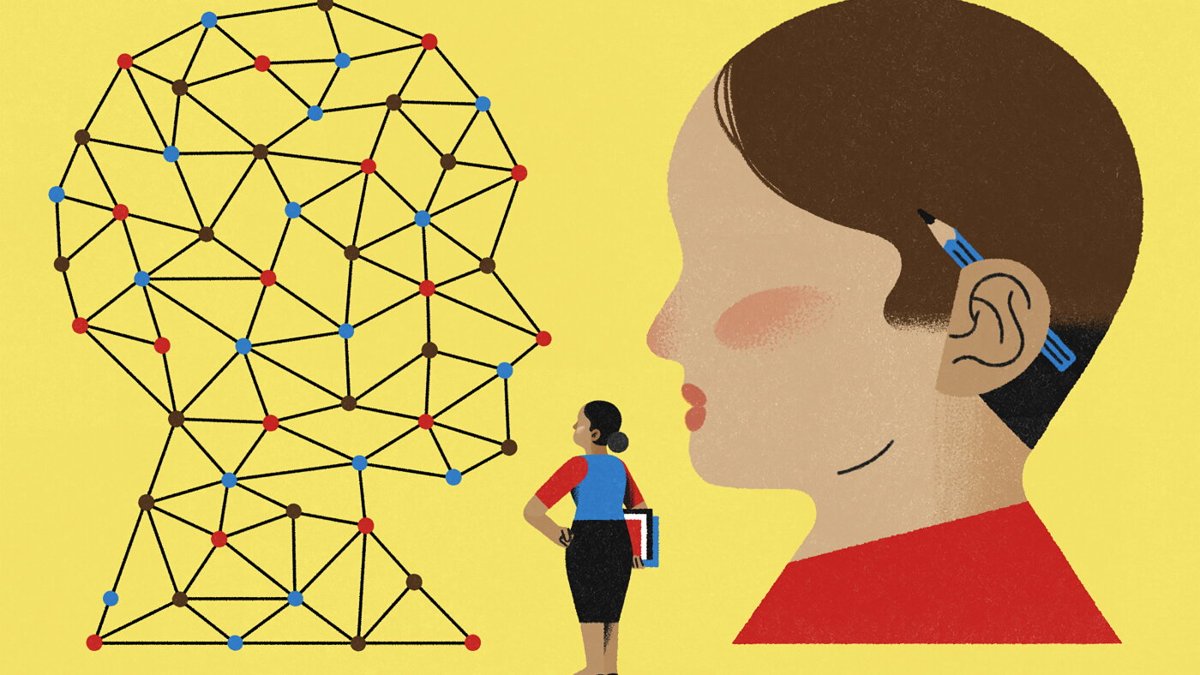 Most K-12 teachers say AI's impact on education will eclipse the internet or computersA new NPR/Ipsos poll shows many teachers are using AI to save time, but a majority are also worried the technology is making it harder for students to learn to think for themselves.
- Nearly three in four K-12 teachers say AI will have a bigger impact on education than the internet or computers.
- 62% of teachers use AI at least weekly, mainly for lesson planning and admin tasks.
- 54% believe AI is making it harder for students to develop critical thinking skills.
- Six in ten teachers say AI is eroding trust between students and teachers.
- Around 80% of teachers believe schools should formally teach responsible AI use.
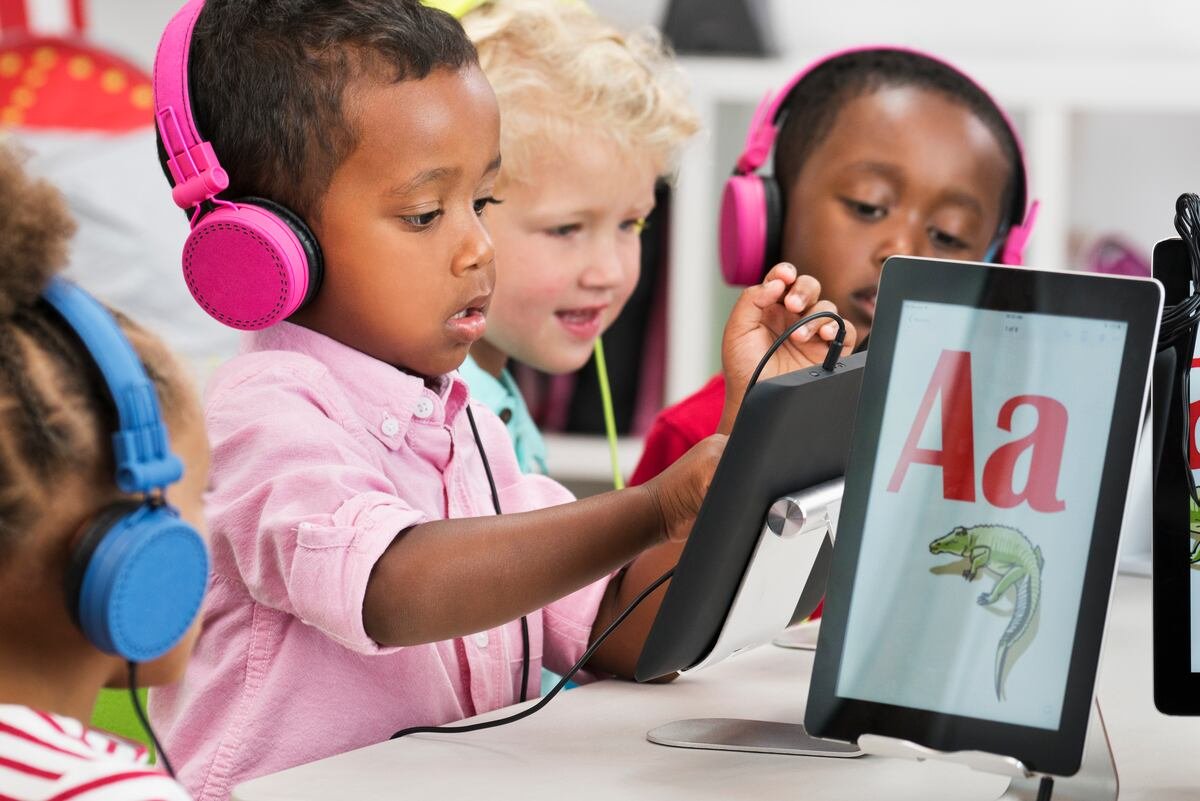 New York state teachers union joins chorus against education technology in schoolsThe state teachers union passed a resolution calling for a ban on screens for young learners, and restrictions on AI chatbots and student-facing AI.
- New York's state teachers union voted to ban individual screen use for children in pre-K through second grade.
- The resolution also calls for banning AI chatbots for all students under 16.
- NYC Schools Chancellor described AI as "the most invasive technology we have seen."
- Los Angeles, Iowa, and several other states are pursuing similar screen and AI restrictions.
- Educators are urging that technology policy be led by evidence and expertise, not tech providers.
✨ Extra Pearls 💎
For Parents:
- Create tech-free zones at home: designate meal times and bedrooms as screen-free spaces to protect family connection and sleep quality.
- Model regulated emotions: children learn emotional regulation by watching how adults handle frustration, disappointment, and stress in daily life.
- Ask, don't tell: replace giving answers with asking open-ended questions to build your child's curiosity and independent thinking.
- Repair after rupture: losing your temper is normal; what matters most is reconnecting calmly afterwards and modelling accountability.
- Find your parenting community: connecting with other parents reduces isolation and provides real, honest perspectives beyond social media highlights.
For Teachers:
- Co-create AI guidelines with students: involving learners in setting boundaries around AI use builds ownership, trust, and genuine digital responsibility.
- Prioritise process over product: assess how students arrive at answers, not just the final output, to safeguard critical thinking in an AI era.
- Use AI as a teaching tool, not a shortcut: demonstrate AI limitations in class to help students develop healthy scepticism and media literacy.
- Build relationships before technology: strong teacher-student relationships are the best defence against eroding classroom trust in the digital age.
- Advocate for your expertise: when it comes to classroom technology decisions, teachers' professional knowledge must lead the conversation, not vendor promises.
Remember: the most powerful tool in any child's development is a calm, confident, and connected adult in their life. 💛
Thank You for Reading!
🧠 Stay Curious!
Read news from all over the world! Discover amazing new things each day! Stay curious!
🤔 Ask Questions!
Read something cool? Ask a grown up for help finding more info! Ask questions! Yay!
📚 Share Knowledge!
Tell your friends and family about the cool facts you learned today!
Check back next week for more exciting news stories from around the world!
💌 We Value Your Feedback!
How can we improve our insights? We're constantly working to enhance our coverage of Insights. Your input helps us deliver more relevant and valuable information.
💡 Suggest Topics
Which areas or places should our news cover in more detail?
🎨 Preferences
Want more pictures, true stories, or expert talks? Tell us!
🗓️ Update Frequency
How often would you like to receive these insights?