
15 to 21 November 2026
Round Up Starting 15 November 2026: Parents & Teachers
Welcome to this week's news, all summarised with amazing AI.
Modern parenting requires new strategies to help children thrive in an increasingly digital world while developing essential life skills, values, and digital literacy.
👨👩👧 Parents News Summary
🗣️ Why children tell fibs and how to encourage honesty
BBC explores how childhood deception develops alongside language and understanding other minds. Experts suggest calm, curious conversations and making it safe to admit mistakes, rather than frightening children into hiding them.
👨🍼 How hands on dads build stronger bonds with their babies
In a Guardian interview, anthropologist Sarah Blaffer Hrdy discusses fathers’ capacity for nurturing care. Research links direct baby care with hormonal and brain responses. Her hope for a more peaceful society is a hypothesis, not a proven result.
🌱 Honest Conversations and Caring Fathers
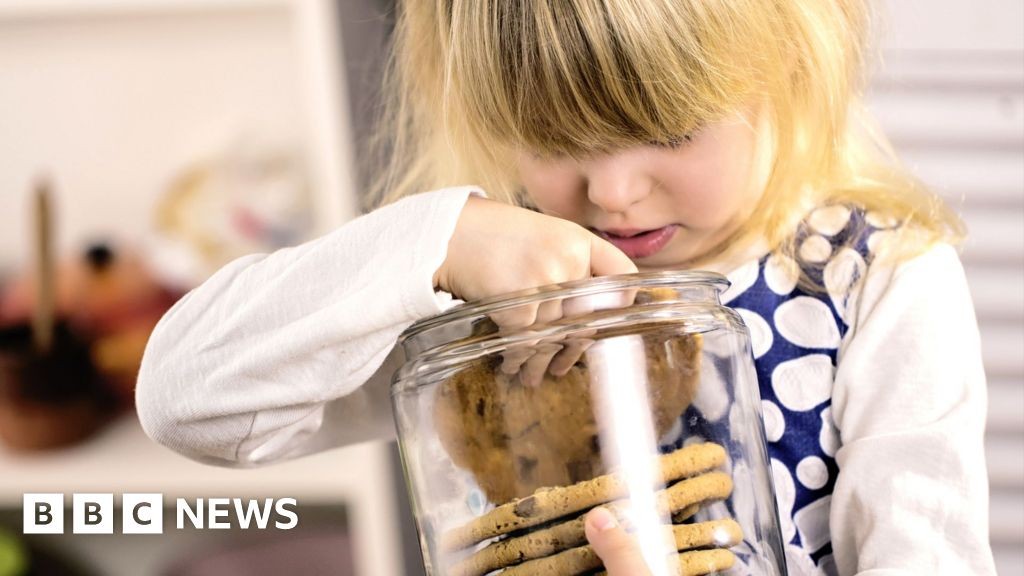 Why children tell fibs and how to encourage honestyBBC explores how childhood deception develops alongside language and understanding other minds. Experts suggest calm, curious conversations and making it safe to admit mistakes, rather than frightening children into hiding them.
- BBC’s parenting report explains that small fibs can be part of developing language, imagination and an understanding that other people have separate thoughts.
- Research discussed in the report found signs of understanding deception surprisingly early. Early deception is not the same as a sophisticated verbal lie.
- By around age three, children may invent more creative explanations or leave out information. This can reflect their growing ability to consider what another person knows.
- Clinical psychologist Jade Redfern says children may hide mistakes because they fear upsetting a caregiver. A calm response can help them feel safe enough to tell the truth.
- The report recommends open, curious conversations and modelling empathy. Recognising developmental progress does not mean abandoning expectations of honesty.
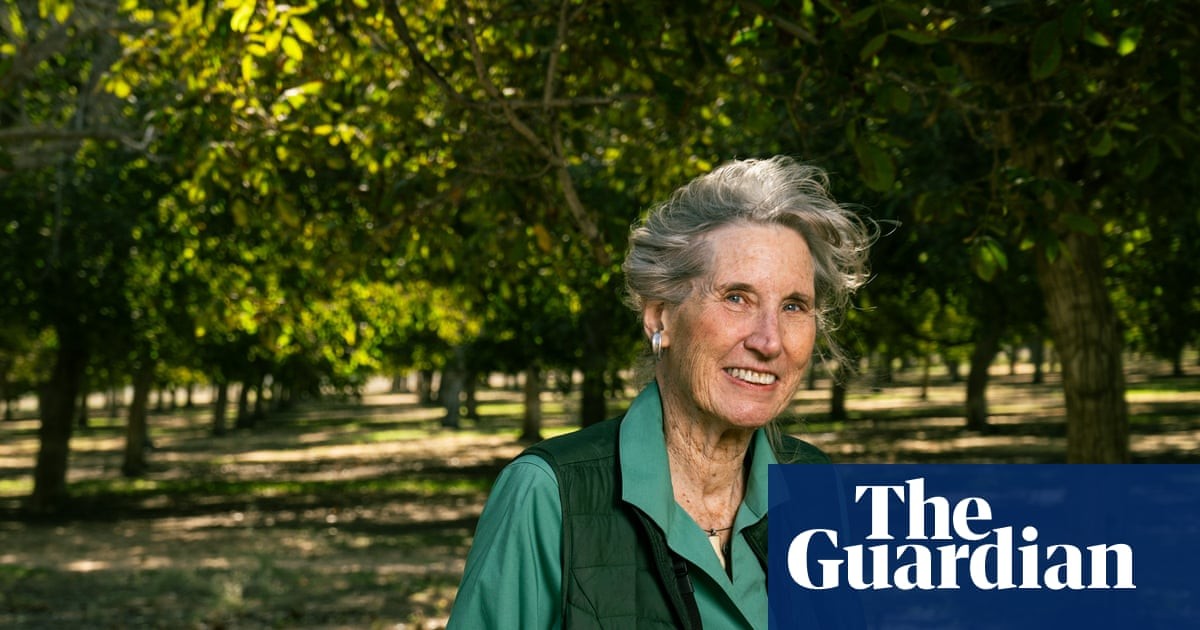 How hands on dads build stronger bonds with their babiesIn a Guardian interview, anthropologist Sarah Blaffer Hrdy discusses fathers’ capacity for nurturing care. Research links direct baby care with hormonal and brain responses. Her hope for a more peaceful society is a hypothesis, not a proven result.
- In the Guardian interview, Sarah Blaffer Hrdy describes fathers who are fully involved in caring for babies, challenging the idea that nurturing is exclusively maternal.
- Research discussed in the interview links infant caregiving in fathers with higher oxytocin and lower testosterone. These are research observations, not hormone targets for parents.
- Brain scans of men who were primary carers showed activity in neural circuits associated with caregiving. The interview emphasises men’s capacity to develop nurturing responses.
- Hrdy also describes observing hormonal responses in herself and her husband after caring for their grandchild. That personal example should not be treated as a universal measurement.
- Her suggestion that more involved fathers might help create a less belligerent society is a hopeful hypothesis, not evidence that hands on parenting alone prevents conflict.
🍎 Teachers News Summary
💻 Students ask for fair and transparent classroom AI use
CBC reports students’ concerns about teachers using AI without clear disclosure while limiting student use. A Canadian survey highlights training gaps. The report calls attention to consistent expectations, teacher judgement and the human connection in learning.
📚 Building reading skills and motivation together
Education Week shares classroom approaches from a teacher and a literacy researcher. They connect reading motivation with fluency, vocabulary and stamina, using manageable text sections, discussion and modelling rather than treating reluctance as laziness.
💻 Transparent AI and Confident Readers
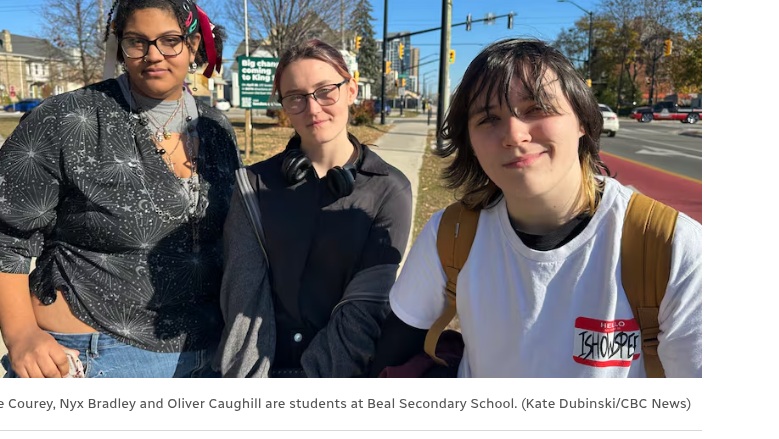 Students ask for fair and transparent classroom AI useCBC reports students’ concerns about teachers using AI without clear disclosure while limiting student use. A Canadian survey highlights training gaps. The report calls attention to consistent expectations, teacher judgement and the human connection in learning.
- CBC interviewed teenagers in London, Ontario, who said teachers used AI for assignments, revision materials and grading, sometimes without disclosing that use.
- In a Leger survey commissioned by the Fraser Institute, half of participating Canadian teachers said their school or board had not trained them to use AI for classroom materials.
- Around 64 percent reported no training on teaching students about AI or identifying student AI use. These figures describe survey respondents, not every teacher.
- Local boards said they had guidelines or professional development resources. One board described updated governance work, while another said its teacher modules were not compulsory.
- Students questioned rules that restrict their AI use while teachers rely on it. The report highlights a need for transparent expectations and preserving human teaching and judgement.
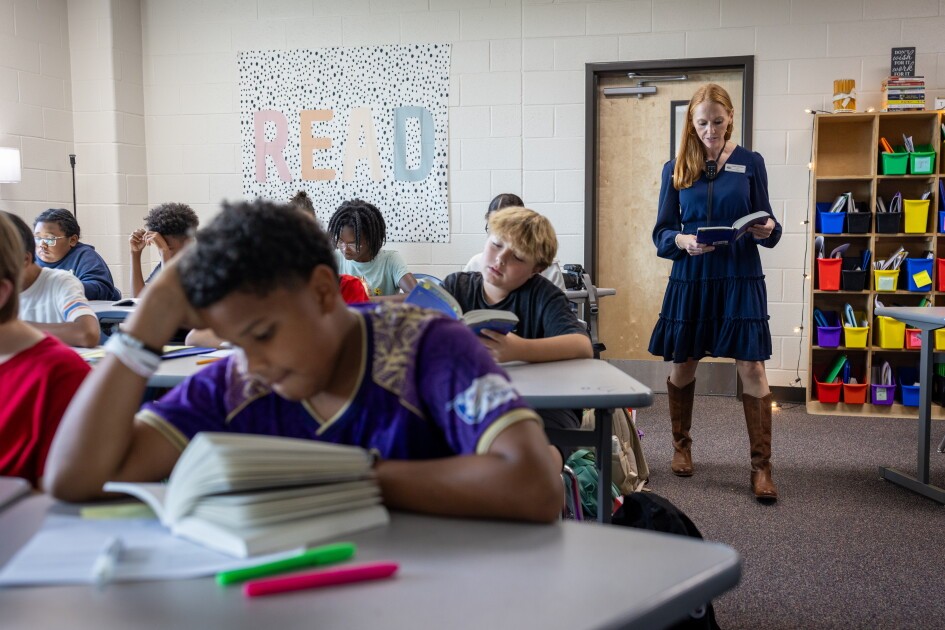 Building reading skills and motivation togetherEducation Week shares classroom approaches from a teacher and a literacy researcher. They connect reading motivation with fluency, vocabulary and stamina, using manageable text sections, discussion and modelling rather than treating reluctance as laziness.
- Education Week reports a discussion between teacher Jaime Johnson and literacy researcher Margaret Troyer about reading motivation, skills and classroom routines.
- They argue that reluctance to read may involve difficulty with fluency or vocabulary, not simply a lack of interest. Students need support with both skill and willingness.
- Longer books ask readers to remember and connect ideas across several sessions. The speakers value shared stories while noting limited research comparing whole books with excerpts.
- Their approaches include beginning with manageable sections, discussing them together and gradually increasing reading length as students build stamina.
- Teachers can listen for fluency, organise partner reading and model expressive reading and self correction. These are classroom approaches, not a guarantee of identical results for every child.
✨ Useful Pearls
For Parents
- Respond calmly when a child admits a mistake, then help them put it right.
- Give fathers and other caregivers regular chances to take an active role in everyday care.
- Use curious conversations to explore feelings and practise empathy together.
For Teachers
- Make classroom AI expectations explicit and disclose your own use where relevant.
- Begin longer reading with manageable sections and build stamina gradually.
- Model expressive reading and show how you notice and correct your own mistakes.
These practical suggestions are editorial takeaways, not additional research findings. Build trust at home and make learning expectations clear at school.
Thank You for Reading!
🤔 Ask Questions
Use this week's stories to start thoughtful conversations.
📚 Share Knowledge
Invite children to explain one discovery in their own words.
Check back next week for more conversations from the news.
💌 We Value Your Feedback!
How can we improve our insights? We are constantly working to enhance our coverage. Your input helps us deliver more relevant and valuable information.
💡 Suggest Topics
What news story should we cover next?!
🎨 Share an Activity
Tell how you used news at home or school.